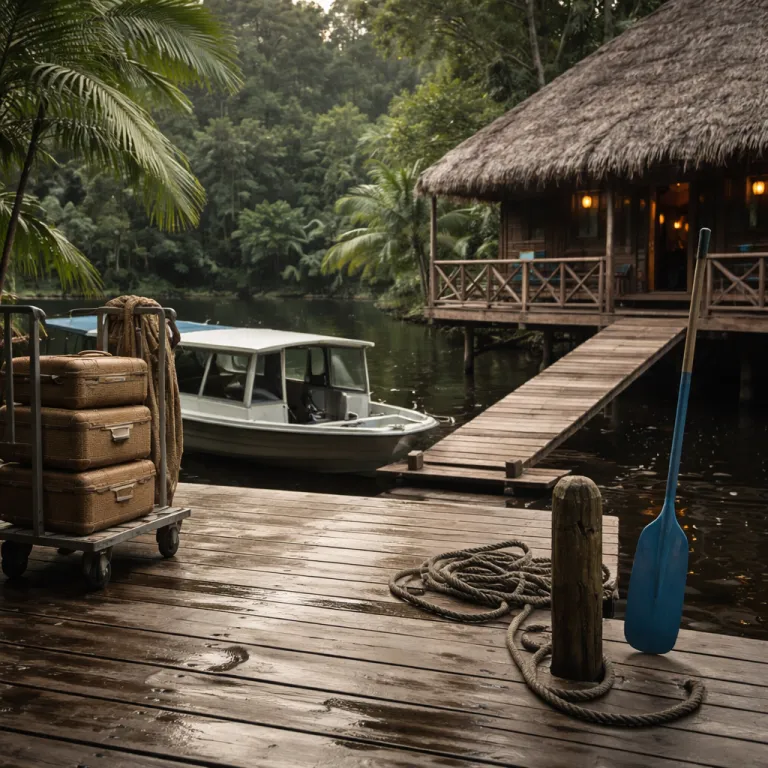
Best luxury Amazon lodges in Ecuador’s Amazon region
Why Ecuador’s Amazon region is worth your stay
Dense rainforest closes in just beyond the airstrip at Coca, and the air feels heavier the moment you step out. This is the Ecuadorian Amazon at its most immediate, a vast green basin where luxury is measured less in marble and more in access to wildlife, silence and expertly guided experience. If you are wondering whether to book a hotel or rainforest lodge in this Amazonas region, the answer is simple : it suits travellers who want immersion in the Amazon rainforest without sacrificing comfort.
Unlike the busier gateways in Perú such as Puerto Maldonado, Ecuador’s side of the Amazon feels more compact and more intimate. Distances from Quito to the main river ports are short, yet the sense of remoteness is real once you transfer to a canoe and leave the last road behind. You are not choosing a city hotel here, you are choosing a rainforest lodge or eco lodge that shapes your entire trip : wake-up calls by howler monkeys, river mist at dawn, night walks in the forest.
The region works particularly well for travellers combining several ecosystems in one journey. In a single week you can move from the cloud forest near Papallacta to the lowland selva along the Napo River, then back to the Andes without long internal flights. If your idea of luxury Amazon travel is small-scale, conservation-focused and guided by local experts, this part of Ecuador delivers more convincingly than many larger Amazon lodges scattered across South America.
How the lodges work : location, access and setting
Most high-end properties in Ecuador’s Amazon are not “hotels” in the urban sense but lodges located deep in the forest, often inside or beside a national park or private reserve. Reaching them usually involves a short flight from Quito to a frontier town such as Coca or a river port near Puerto Misahuallí, followed by a motorised canoe ride along a wide, tea-coloured river. The final approach is often by paddle canoe along narrow blackwater creeks, where kingfishers and hoatzins watch you glide past.
Location dictates atmosphere. Lodges inside or adjacent to a national reserve or national park, such as Yasuní National Park or the Cuyabeno Wildlife Reserve, tend to feel wilder, with denser wildlife and stricter rules on noise and lighting. Properties closer to road access, by contrast, may sit on secondary forest or along busier stretches of river, trading a little wilderness for easier arrivals and slightly more flexible schedules. Neither is inherently better : it depends whether you value raw forest or convenience.
Do not confuse Ecuador’s Amazon with the Tambopata region around Puerto Maldonado in Perú, or with Brazilian icons such as Cristalino Lodge. The ecosystems overlap, but the logistics and scale differ. Here, river journeys are shorter, group sizes are often smaller, and the feeling is more of a lodge retreat than a resort. When comparing options, look carefully at maps : how far is the lodge located from the nearest town, how long is the canoe transfer (often two to four hours from Coca for deeper lodges), and is the surrounding forest primary or secondary ?
What “luxury” really means in the Ecuadorian Amazon
Polished wood walkways, open-air lounges facing a mirror-still lagoon, a ceiling fan turning lazily above a four-poster bed : this is the visual language of luxury Amazon stays in Ecuador. You will not find high-rise towers or formal ballrooms. Instead, the premium feel comes from space, privacy and the sense that the rainforest is curated rather than chaotic. Rooms are usually in standalone cabins or small clusters, with screened windows, high-quality bedding and thoughtful details such as rubber boots lined up by the door.
Service is where the best rainforest lodges distinguish themselves. A strong guiding équipe, often drawn from nearby communities, is the real definition of five-star here. Expert naturalist guides know individual clay licks, nesting trees and river bends where giant otters are most often seen. As one Kichwa guide near the Napo River put it, “We walk the same trails every day, but the forest shows us something different every time.” The lodge offers set programmes of tours : early-morning canoe outings, canopy tower climbs, night walks, and visits to local communities, all paced so you never feel rushed.
Luxury in this context also means sustainability taken seriously rather than as a slogan. Many properties use solar panels, rainwater systems and local materials, and limit guest numbers to protect the surrounding forest. Expect refined but unfussy cuisine built around fresh river fish, yucca, plantain and tropical fruit, plated with more care than you might anticipate this far from a city. If your benchmark is a city palace hotel, recalibrate : here, the true indulgence is a hot shower after a muddy hike and the quiet of the selva at night.
Choosing the right area and style of lodge
Travelers often underestimate how different one part of the Amazon rainforest can feel from another. Lodges closer to the Andean foothills, near the transition to cloud forest, tend to have slightly cooler nights and more varied topography : small hills, clear streams, a mix of tall forest and open areas. Deeper into the lowlands, the forest becomes flatter, wetter and more intensely green, with broad rivers and flooded várzea forest that you explore mainly by canoe.
Some properties lean towards a classic selva lodge atmosphere : rustic-chic cabins, open dining rooms, and a strong focus on birding and wildlife. Others position themselves as a more polished luxury Amazon retreat, with larger suites, perhaps a small spa area and more elaborate tasting-style dinners. When comparing, ask yourself whether you want your days to be packed with back-to-back tours or whether you prefer a slower rhythm with time to read on the deck and watch the river drift past.
There is also a philosophical choice between lodges embedded in community-run reserves and those operating on private concessions. Community-linked eco lodges often offer deeper cultural immersion and a sense that your stay directly supports local livelihoods. Privately run rainforest lodges may deliver a slightly more seamless hospitality product, with more standardised service. Both models can be excellent : the right fit depends on whether you prioritise cultural exchange, pure wildlife focus, or a carefully balanced mix.
What to expect day to day : wildlife, activities and rhythm
Mornings usually start early, often before sunrise, when the forest is at its most vocal. You might paddle along a narrow creek while mist rises from the water and macaws cross overhead in pairs. Wildlife sightings are never guaranteed, but in well-protected reserves it is realistic to see several monkey species, caimans, river dolphins in some areas, and a dizzying variety of birds in a single stay. The key is repetition : multiple outings at different times of day, guided by people who know the forest intimately.
Activities are varied but structured. Typical programmes include guided forest walks on well-maintained trails, canoe excursions on blackwater lagoons, and visits to canopy towers that lift you 30 metres above the forest floor. Night walks reveal a different cast of characters : tree frogs, insects, the occasional snake, and the eerie glow of spider eyes in your headlamp beam. Cultural visits to nearby communities are often part of the experience, handled with care when done well, with clear boundaries and mutual respect.
Afternoons tend to be slower, with time to rest in a hammock or watch the river from the main deck. This is when you feel the remoteness most acutely : no traffic noise, only cicadas and distant thunder. A good Amazon lodge will balance activity and downtime so you return home exhilarated rather than exhausted. Expect set mealtimes, communal tables in many cases, and the gentle ritual of lanterns or low lighting after dark to keep the impact on nocturnal wildlife minimal.
Practical considerations before you book
Seasonality in Ecuador’s Amazon is less dramatic than in some other parts of South America, but it still shapes the experience. The region is technically visitable year-round, with a somewhat drier window from June to September when trails can be less muddy and some wildlife viewing along the river is easier. In wetter months, flooded forest can actually enhance canoe-based exploration, allowing you to slip silently between tree trunks that stand in waist-deep water.
Health and logistics deserve serious attention. Vaccinations recommended for tropical travel, and in some cases malaria prophylaxis, should be discussed with a medical professional well before departure. Pack light, breathable clothing, long sleeves for evenings, and high-quality insect repellent. Many lodges provide rubber boots and ponchos, but it is worth confirming this detail when you compare options, as it affects how much gear you need to carry through airports and river ports.
One often overlooked factor is group size and guiding ratio. A lodge that limits departures to small groups with one expert guide per few guests will deliver a far richer interpretive experience than a place that fills large boats. When evaluating different Amazon lodges in Ecuador, look beyond the headline images : check how many cabins there are, whether tours are shared or private, and how the property integrates with surrounding conservation efforts. The best stays feel not just comfortable, but ethically grounded in the forest that makes them possible.
Who the Ecuadorian Amazon suits best (and who should look elsewhere)
This region rewards travellers who are curious, patient and comfortable with a certain level of unpredictability. If your ideal holiday is a perfectly controlled resort environment, the selva may frustrate you : rainstorms arrive unannounced, wildlife does not follow a timetable, and trails can be muddy despite the best efforts of the maintenance équipe. For those who find beauty in this controlled chaos, however, the payoff is immense : close encounters with wildlife, genuine cultural exchange, and the rare feeling of being far from the usual circuits.
Families with older children often thrive here, especially if the lodge offers flexible activities and shorter walks. Photographers, birders and natural history enthusiasts will find the density of species extraordinary, particularly in and around major protected areas where more than 2 000 species have been recorded across plants, birds, mammals and amphibians. Couples seeking a different kind of romantic escape also do well, provided they understand that “romance” here means candlelit dinners under a thatched roof and the sound of tree frogs, not nightlife.
Those with very limited mobility, or travellers who are deeply uncomfortable with insects, humidity and heat, may be better served by Ecuador’s cloud forest lodges closer to the Andes. These offer a gentler introduction to the broader Amazon basin, with lush forest and rich birdlife but easier access and cooler temperatures. For everyone else, a carefully chosen lodge in Ecuador’s Amazon region is not just a place to sleep : it is the organising principle of a journey that will stay with you long after the river mud has washed off your boots.
What is the best time to visit the Ecuadorian Amazon ?
The Ecuadorian Amazon can be visited throughout the year, with wildlife viewing possible in all seasons. A relatively drier period from June to September often brings slightly less rain, firmer trails and more comfortable conditions for long walks, while wetter months offer lusher forest and excellent canoeing through flooded areas. Rather than chasing a single “perfect” month, choose dates that fit your wider Ecuador itinerary and be prepared for rain at any time.
How do you reach lodges in Ecuador’s Amazon region ?
Most travellers fly first to Quito, then take a short domestic flight to a gateway town in the Amazon basin, followed by road and river transfers arranged by the lodge. The final approach is usually by motorised canoe along a major river, sometimes with a quieter paddle section through smaller creeks. Transfer times vary from under two hours to most of a day, so it is worth checking the exact logistics before you book, especially if you are combining the Amazon with the Andes or the Galápagos in a tight schedule.
Is it safe to visit the Ecuadorian Amazon ?
Visiting the Ecuadorian Amazon with a reputable lodge and professional guides is generally considered safe. The main risks are environmental rather than social : heat, humidity, insects and the occasional challenging trail. Lodges brief guests carefully on safety around boats, wildlife and night walks, and provide equipment such as life jackets and rubber boots. Following guide instructions and basic health precautions goes a long way towards ensuring a secure and enjoyable stay.
What should you pack for a luxury lodge in the Amazon ?
Packing light, breathable clothing in neutral colours is essential, along with a good insect repellent, a hat, sunglasses and a reusable water bottle. Long-sleeved shirts and long trousers help against both sun and insects, especially at dawn and dusk. Many rainforest lodges supply rubber boots and rain ponchos, so you can keep your own footwear simple, but it is wise to confirm this in advance. A small dry bag for cameras and phones during boat rides is also useful.
What activities can you expect at an Amazon rainforest lodge ?
Typical activities at a high-quality Amazon lodge include guided forest walks, canoe excursions on rivers and blackwater lagoons, birdwatching from canopy towers, and night walks focused on nocturnal wildlife. Many programmes also incorporate visits to nearby communities or cultural interpretation sessions led by local residents. The exact mix varies by property, but the rhythm usually alternates early-morning and late-afternoon outings with rest time in the middle of the day, allowing you to experience the forest at its most active times.