Galápagos islands birds and where luxury travellers should stay
Galápagos islands birds shape the rhythm of every refined itinerary. When you choose a luxury hotel in Ecuador, the right base on each island determines how close you wake to rare bird species at dawn. Thoughtful travellers quickly realise that the most rewarding stays blend comfort with privileged access to the archipelago’s protected habitats.
On Santa Cruz Island, high-end lodges near Puerto Ayora offer swift yacht or speedboat transfers into the central islands, where blue-footed boobies (Sula nebouxii) and other iconic birds of the Galápagos patrol the shoreline. From these properties, you can join small guided cruises that follow strict Galápagos National Park rules—such as staying on marked trails and keeping a minimum distance from wildlife—in order to protect each endemic species while still allowing intimate viewing. Many concierges coordinate private naturalist guides who help you distinguish every small bird, from a yellow warbler (Setophaga petechia aureola) in the mangroves to a ground finch (Geospiza spp.) probing the lava fields.
Serious birdwatchers often combine Santa Cruz with a stay on San Cristóbal Island, which provides easier access to eastern colonies of red-footed boobies (Sula sula) and storm petrel roosts. Premium hotels here curate dawn departures so you reach the cliffs while the birds are most active, then return to spa suites and refined Ecuadorian cuisine. This balance of field time and comfort is essential when you want to observe several bird species across the archipelago without sacrificing rest between long days on the water; typical inter-island flights between Baltra (GPS) and San Cristóbal (SCY) take under an hour, making multi-island itineraries logistically smooth.
Hidden Ecuadorian bases for rare Galápagos birds encounters
Not every traveller realises that the story of Galápagos birds begins on mainland Ecuador. Choosing a discreet luxury lodge in Quito or the nearby cloud forest lets you adjust to altitude while already watching Andean bird species before flying to the islands. This slower order of travel reduces fatigue and prepares your eye for the subtle differences between each finch and mockingbird (Mimus spp.) you will later meet offshore.
In the Andean foothills near Mindo, refined eco-lodges surrounded by dense forest provide a striking contrast to the stark lava of the Galápagos archipelago. Here you can spend a small but meaningful part of your itinerary observing hummingbirds, tanagers, and toucanets, then compare them with the endemic species such as Darwin’s finches (Geospiza and related genera) or the vermilion flycatcher (Pyrocephalus obscurus in the islands, following recent taxonomic revisions by the IUCN Red List and BirdLife International) once you reach the marine reserve. For travellers seeking curated nature immersion, properties highlighted in this guide to an elegant cloud forest stay in Mindo pair well with a later cruise focused on Galápagos islands birds.
Luxury hotels in Guayaquil and Quito also play a strategic role because they sit on the main air routes to Baltra and San Cristóbal. By selecting properties with knowledgeable concierges, you can arrange early transfers that align with flight schedules and yacht departures in order to minimise waiting time between segments. This careful sequencing means you arrive in the islands rested and ready to appreciate every booby, petrel, and swallow-tailed gull (Creagrus furcatus) that appears on your first zodiac landing.
Choosing island lodges for close yet responsible bird viewing
Once in the Galápagos, the choice between a luxury expedition yacht and a high-end island lodge shapes how you experience birds of the archipelago throughout your stay. Yachts reach remote sites in the marine reserve, while lodges offer more space, privacy, and often better spa facilities. Many discerning couples now combine both, starting with a cruise then ending with several nights in a secluded coastal retreat.
On Santa Cruz, upscale lodges in the highlands place you near lush Scalesia forests where small bird species such as Darwin’s finches and the yellow warbler thrive. From these properties, guided day trips fan out toward North Seymour and nearby islets, where boobies, swallow-tailed gulls, and the charismatic blue-footed booby nest on open lava. After long excursions, returning to a suite with a plunge pool or couples spa facilities, such as those highlighted in this selection of private spa suites in Ecuador, turns a wildlife trip into a deeply restorative escape.
San Cristóbal Island offers a different rhythm, with luxury hotels overlooking bays where sea lions share the sand with Galápagos penguins (Spheniscus mendiculus) and various coastal bird species. Here, private guides can lead you to cliff paths where red-footed boobies cling to branches and storm petrel flocks skim the waves below. Responsible properties brief guests carefully about staying on marked trails, travelling only with certified naturalist guides, and respecting wildlife distances so that every bird, from a ground finch to a waved albatross (Phoebastria irrorata), remains undisturbed.
Signature Galápagos islands birds and where to stay for each
Many travellers arrive with a mental checklist of emblematic Galápagos islands birds. The blue-footed booby, waved albatross, and Galápagos penguins often top that list, followed closely by the bright vermilion flycatcher and the elusive storm petrel. Matching each target bird species with the right island and hotel base is the key to a successful itinerary.
For the blue-footed and red-footed boobies, luxury cruises that include Española and Genovesa in their order of visits offer the best chances of close yet respectful encounters. On Española Island, high cliffs host one of the world’s only breeding colonies of waved albatross, while nearby coves shelter swallow-tailed gulls and other nocturnal seabirds returning from the open Pacific. Choosing a premium yacht with experienced naturalist guides ensures you can distinguish each small bird, from a juvenile booby to a Galápagos mockingbird (Mimus parvulus), without disturbing nesting sites.
Travellers focused on finches and other endemic species may prefer more time based around Santa Cruz and San Cristóbal. High-end lodges in the Santa Cruz highlands provide access to multiple habitats where ground finch, tree finch, and the subtly different Geospiza species can be observed at close range. On San Cristóbal, coastal trails near luxury hotels reveal yellow warbler pairs in the shrubs, while offshore excursions sometimes encounter Galápagos penguins resting on black lava ledges between feeding dives; local guides can often point out seasonal breeding activity based on current Galápagos National Park briefings.
Conservation led luxury: how your hotel choice supports Galápagos birds
Every reservation in the Galápagos archipelago carries conservation implications, especially for endemic species that exist nowhere else. The Galápagos National Park Directorate and the Charles Darwin Foundation coordinate research and protection efforts that directly affect how hotels and yachts operate. When you choose a property that aligns with these institutions, your stay contributes to the long-term survival of Galápagos birds.
Current conservation programmes focus on habitat restoration, invasive species control, and community education in order to stabilise vulnerable bird populations. Advanced tools such as satellite tracking, DNA analysis, remote sensing, and even drones now help scientists monitor storm petrel colonies, swallow-tailed gull nesting success, and the health of small bird populations like the vermilion flycatcher. As a guest, you support this work by following simple guidelines such as respecting wildlife distances, staying on marked trails, and never feeding any bird or animal.
Many luxury hotels in Puerto Ayora and San Cristóbal now partner with organisations such as WWF and Galápagos Conservancy to fund research on bird species and other wildlife. Some arrange evening talks where naturalists explain why invasive species and habitat destruction are currently considered the main threats to Galápagos birds, drawing on data from the IUCN Red List and park reports. Others invite guests to join beach cleanups or citizen science walks, turning a refined holiday into a meaningful contribution to the future of every booby, petrel, finch, and penguin you encounter.
Designing a refined Ecuador itinerary around Galápagos birds
Thoughtful planning allows you to weave Galápagos islands birds into a broader Ecuador journey that still feels indulgent. Many travellers begin with two or three nights in Quito’s historic centre, staying in a luxury hotel that offers quiet courtyards and rooftop views. From there, a short transfer to the cloud forest or a direct flight from Mariscal Sucre International Airport (UIO) to Baltra sets the tone for the wildlife-focused part of the trip.
Once in the islands, alternating between active days and slower ones helps you appreciate each bird species without fatigue. A typical pattern might include a full day exploring Española Island for waved albatross and blue-footed boobies, followed by a gentler coastal walk near your lodge to watch yellow warbler pairs and Galápagos mockingbird families at close range. During quieter afternoons, you can enjoy spa treatments, Ecuadorian tasting menus, or simply watch seabirds glide past from a shaded terrace.
To close the journey, many guests return to mainland Ecuador for a final stay in a refined property that celebrates the country’s culture as much as its wildlife. An elegant hotel in Cuenca or Quito’s old town, such as those featured in this guide to elegant historic city stays in South America, offers a graceful transition back to urban life. This final pause allows you to reflect on the archipelago’s red-footed and blue-footed boobies, the quiet dignity of every small bird on the lava, and the privilege of having witnessed such fragile ecosystems in person.
Key figures about Galápagos islands birds and conservation
- There are about 45 endemic bird species and subspecies in the Galápagos, meaning these birds occur nowhere else on Earth, according to summaries by Galápagos Conservancy and the Charles Darwin Foundation.
- Roughly 190 total bird species have been recorded across the islands, a modest number globally but exceptionally concentrated for such a small archipelago, based on compiled ornithological records and eBird checklists.
- Conservation programmes led by the Galápagos National Park Directorate currently prioritise habitat restoration, invasive species eradication, and community education in order to stabilise vulnerable bird populations.
- Innovative monitoring tools such as satellite tracking, DNA analysis, remote sensing, and drones are now used to follow movements of species like the waved albatross and storm petrel across the archipelago, as reported in recent park and NGO updates.
- Ecotourism has grown steadily in recent years, and responsible luxury travel that respects park guidelines is increasingly recognised as a key funding source for long-term bird conservation by organisations including Galápagos Conservancy and WWF.
FAQ about Galápagos islands birds and luxury stays
What are the main threats to Galápagos birds?
The main threats to Galápagos birds are invasive species and habitat destruction, which can affect nesting success, food availability, and overall ecosystem balance. Conservation authorities now invest heavily in controlling introduced predators and restoring native vegetation. As a visitor, choosing operators that follow park regulations—such as limits on visitor numbers at each site—helps reduce additional pressure on these fragile habitats.
How can tourists help in conservation while staying in luxury hotels?
Tourists can help in conservation by following guidelines and supporting local initiatives during their stay. This means respecting wildlife distances, staying on marked trails, and never feeding animals, even when birds approach closely. Many luxury properties also channel a portion of their revenue into research and community projects, so selecting these partners amplifies your positive impact.
Which is the most famous Galápagos bird for visitors?
The most famous Galápagos bird for visitors is widely considered to be the blue-footed booby, thanks to its vivid feet and elaborate courtship dance. Many premium cruises and island lodges design excursions specifically around colonies where this species nests in large numbers. Travellers often remember their first close view of these birds as a defining moment of the trip.
When is the best time to see Galápagos islands birds?
Birdwatching is rewarding throughout the year because different species breed or display at different times, and conditions vary between the cool and warm seasons. Some months favour courtship displays of blue-footed and red-footed boobies, while others highlight waved albatross nesting on Española Island. Working with a specialist travel advisor or hotel concierge helps you match your travel dates with the behaviours you most want to observe, using up-to-date information from Galápagos National Park briefings.
Do I need special equipment to watch birds in the Galápagos?
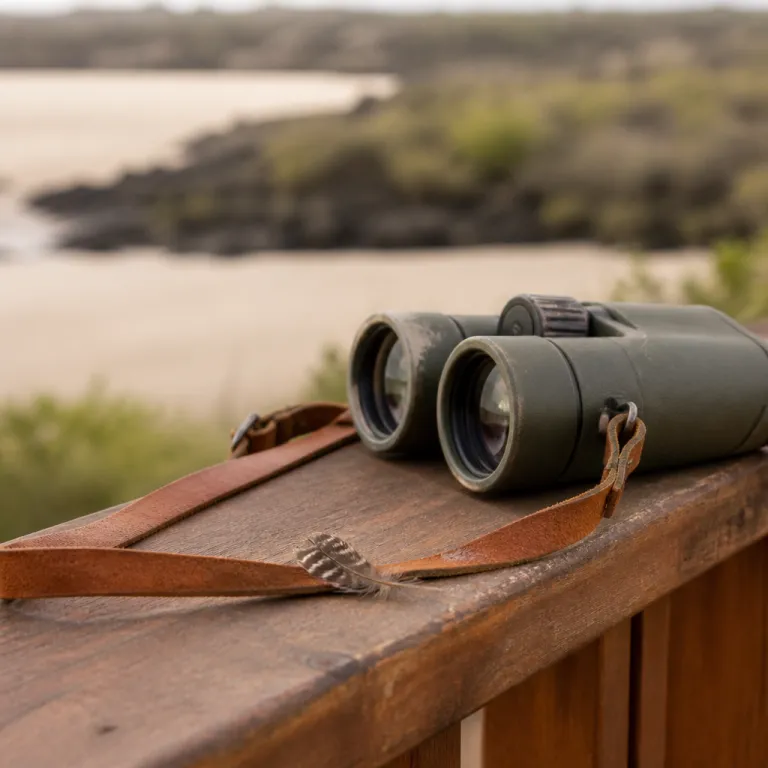
Basic binoculars and a lightweight camera are usually sufficient for most travellers. Many luxury yachts and lodges provide high-quality optics on loan, so you can keep your own luggage small. Comfortable walking shoes, sun protection, and a waterproof bag for wet landings will make it easier to enjoy every bird encounter from dawn to dusk.