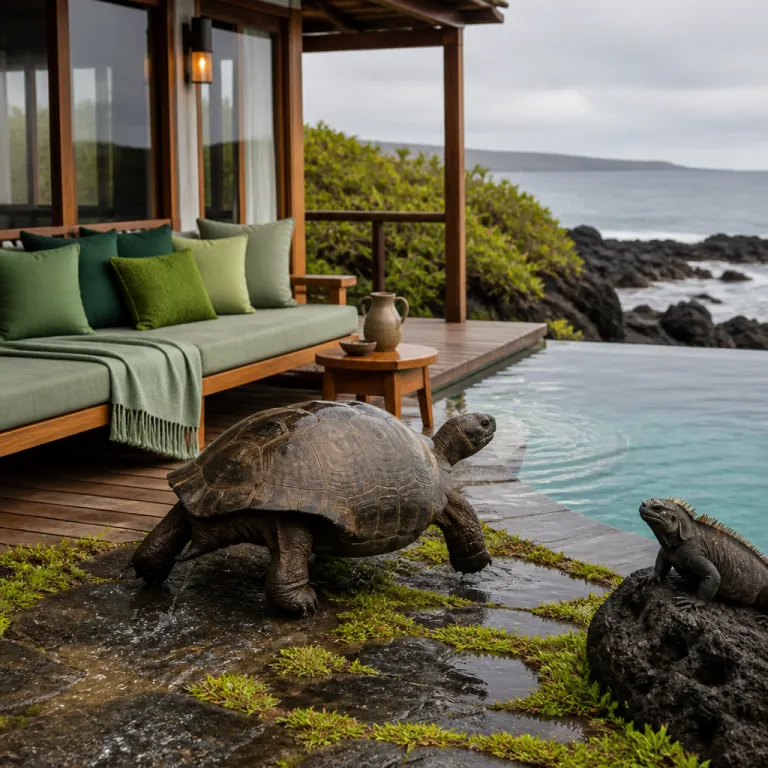
Galápagos island animals and luxury travel: why the right hotel matters
Galápagos island animals shape every refined itinerary in this remote Ecuadorian province. On these volcanic islands, more than 90 percent of native wildlife is considered endemic, creating a living laboratory that demands thoughtful hotel choices. Your luxury stay will feel richer when you understand how each tortoise, bird, and sea lion depends on respectful tourism and carefully managed access.
High-end hotels in the Galápagos Islands now design experiences around key species and fragile habitats. Many properties on Santa Cruz and San Cristóbal coordinate guided walks where you observe Galápagos animals such as marine iguanas, land iguanas, and the giant tortoise without disturbing their routines. The best concierges brief guests on why the Galápagos giant tortoise is the largest land reptile here and how its lifespan can exceed 100 years in the wild, as outlined by the Galápagos National Park Directorate and long-term monitoring projects supported by the Charles Darwin Foundation.
Choosing a premium hotel is not only about thread count and wine lists. It is also about how the property manages water, food waste, and access to nesting sites for birds and marine animals. When a hotel limits group sizes and trains guides to keep distance from sea lions, fur seals, and short-eared owls, your wildlife encounters feel intimate yet responsible, echoing park regulations that prioritise minimal disturbance.
On Santa Cruz, upscale lodges in the highlands sit on private land where individual giant tortoises roam freely year round. Guests often watch these animals feed on lush vegetation only a few metres from their suites, while staff ensure no one will touch or feed them. Similar care appears on Isabela, where refined beachfront hotels coordinate marine excursions that respect the feeding season of marine iguanas and sea turtles and follow timing recommendations from Galápagos National Park rangers.
For travellers comparing islands, San Cristóbal offers elegant oceanfront hotels with direct views of sea lions resting on the sand. These properties often include naturalist briefings about species such as the flightless cormorant and the waved albatross, even if those birds nest on other islands. By the time you board a yacht or day boat, you already understand why you must never feed animals or approach nests, a rule repeated in official visitor guidelines.
Luxury here is measured in silence, space, and proximity to wildlife rather than in urban glamour. A well-chosen hotel will place you close to key colonies of blue-footed and red-footed boobies, while still maintaining strict buffer zones. This balance between comfort and conservation defines the most rewarding stays for guests who care about Galápagos island animals and want their presence to support long-term protection.
Hidden gem stays near key colonies of Galápagos island animals
Some of the most memorable encounters with Galápagos animals happen away from the busiest harbours. On Santa Cruz, a handful of secluded properties sit between lava fields and Scalesia forests where land iguanas and Darwin’s finches move almost unnoticed. These hotels feel like private observatories, yet they remain within easy driving distance of the main town and its small port.
Guests often wake to the calls of birds rather than engines, then walk short trails where short-eared owls sometimes hunt at dusk. Naturalist guides point out how different species share the same land and water sources, answering common questions such as “Are marine iguanas dangerous?” with a reassuring explanation: they are harmless herbivores. Such calm guidance helps families relax when marine iguanas bask near paths or slip into the sea beside snorkellers, especially first-time visitors.
On San Cristóbal, discreet luxury hotels overlook bays where a single sea lion may rest on your kayak launch each morning. During certain months of the season, you can watch blue-footed boobies plunge into the sea for food while fur seals patrol deeper water. Staff manage access so that guests enjoy these animals at close range without stepping between mothers and pups on the beach, following distance rules set by Galápagos National Park.
Couples seeking privacy with wildlife views often choose refined spa suites on the mainland before or after their cruise. Properties highlighted in curated guides to couples spa suites in Ecuador where privacy actually holds up pair deep soaking tubs with natural surroundings that echo the calm of the islands. This combination of mainland pampering and island immersion works well for travellers who want both marine adventures and restorative days in quieter surroundings.
Hidden gems on Isabela place you within walking distance of lagoons where flamingos feed and marine iguanas cross sandy paths. Here, the hotel team times excursions around the behaviour of key species, so you might visit a nest site for birds at low tide and then snorkel with sea lions when currents calm. These thoughtful schedules respect the rhythms of Galápagos island animals while maximising your chances of meaningful sightings and good light for photography.
Even in lesser-known corners of Santa Cruz, some small luxury properties offer private access to lava tunnels and highland farms. On these lands, giant tortoise individuals wander through misty grasslands, and Darwin’s finches hop near outdoor breakfast tables. Guests learn quickly that the privilege of such proximity carries responsibilities: you will keep distance, avoid flash photography, and never leave food where wildlife can reach it, in line with park and municipal regulations.
Pairing Galápagos wildlife with Ecuador’s cloud forest and Andean retreats
Many travellers extend their journey beyond the islands to understand Ecuador’s wider natural mosaic. After days with Galápagos island animals, a stay in the Andean cloud forest reveals how different species adapt to cooler, wetter habitats. Luxury hotels in these regions echo the conservation standards set in the Galápagos Islands, especially around water use, habitat protection, and low-impact trail design.
In the cloud forest town of Mindo, refined lodges immerse guests in a world of orchids and hummingbirds rather than marine iguanas and sea lions. Properties featured in guides to refined stays in Ecuador’s cloud forest often maintain private reserves where birds feed at carefully managed stations. This approach mirrors Galápagos practices, where hotels coordinate with park authorities to avoid altering natural food sources for Galápagos animals and to keep wildlife behaviour as undisturbed as possible.
Returning to the coast, some travellers choose mainland beach towns before flying to the islands. Elegant hotels in places like Montañita or nearby coves provide a softer landing, with Pacific sea views and curated surf experiences. Articles about refined stays in a vibrant Pacific beach town highlight properties that already understand marine conservation, which prepares guests for responsible encounters with sea lions and fur seals later when they reach the archipelago.
Luxury booking platforms that specialise in Ecuador now curate itineraries linking the Galápagos Islands, the Andes, and the Amazon. A typical route might start with a high-altitude hotel near Quito, continue to Mindo’s cloud forest, then finish among Galápagos island animals on Santa Cruz or Isabela. Each step introduces new species, from tanagers and toucans in the forest to blue-footed boobies and waved albatross on coastal cliffs and offshore islets.
For wildlife-focused guests, this multi-region approach deepens appreciation of Ecuador’s conservation efforts. You see how protecting land corridors in the Andes supports migratory birds that also appear on islands such as North Seymour or San Cristóbal. By the time you return to the mainland, the sight of a single sea lion or land iguana on a Galápagos beach feels connected to a much larger story about ecosystems that stretch from high peaks to open ocean.
Premium hotels play a quiet but decisive role in that story. Their policies on plastic use, guided group sizes, and respect for nest sites influence how future years will look for both marine and land species. When you choose properties that align with park guidelines and national conservation plans, you help ensure that encounters with Galápagos island animals remain possible year round.
Planning wildlife centred stays by island: Santa Cruz, Isabela, San Cristóbal, North Seymour
Each major island offers a distinct way to experience Galápagos island animals from a luxury base. Santa Cruz combines the widest hotel selection with easy access to highland reserves where giant tortoise individuals roam. Upscale properties here often include transfers to tortoise habitats, where guests walk on soft land while guides explain how these animals feed and move through the seasons.
On Santa Cruz’s northern coast, day trips to North Seymour reveal dense colonies of blue-footed boobies and frigatebirds. From a comfortable yacht, you watch blue-footed and red-footed boobies perform courtship displays, then return to a hotel that manages water and energy use carefully. Many guests say this contrast between raw wildlife and refined service defines their memory of the Galápagos Islands and shapes how they talk about the trip later.
Isabela, the largest of the islands, feels wilder and more spacious, with fewer but increasingly sophisticated hotels. Beachfront suites here often open directly onto black lava and pale sand where marine iguanas bask in the sun. During certain times of the season, you may see these marine iguanas slip into the sea in groups, grazing on algae before returning to land to warm their dark bodies again on sunlit rocks.
San Cristóbal offers a different rhythm, with sea lions scattered across town beaches and harbour steps. High-end hotels line the waterfront, where a single sea lion may sleep near your terrace while birds circle overhead. Guided excursions from these properties visit sites where land iguanas, Darwin’s finches, and short-eared owls share rocky landscapes shaped by wind and waves and cooled by the Humboldt Current.
North Seymour is usually reached on day trips from Santa Cruz, yet it deserves special planning. Here, boobies nest close to marked trails, and you may see both blue-footed and red-footed individuals in a single walk. Guides remind guests that the question “Why do blue-footed boobies have blue feet?” has a simple answer: their blue feet attract mates, which you witness as birds lift their feet in slow, deliberate dances.
When booking, consider how many days you will spend on each island and which species matter most to you. If your priority is watching waved albatross on nesting cliffs, you will need a cruise that includes Española, often combined with North Seymour and Santa Cruz. Travellers more interested in giant tortoise encounters and marine iguanas can base themselves on Santa Cruz and Isabela, using day boats to reach nearby sites and returning each evening to a comfortable suite.
Choosing excursions and guides that respect Galápagos island animals
Even the most luxurious suite means little if your excursions feel rushed or careless. The finest hotels in the Galápagos Islands partner with naturalist guides who understand both guest expectations and the needs of local species. These guides use field studies and ongoing research from organisations such as the Charles Darwin Foundation and the Galápagos National Park Directorate to time visits around feeding, nesting, and resting patterns.
On snorkelling trips, for example, you may enter clear water where sea lions and fur seals glide past. Responsible guides brief you on currents, visibility, and how to behave when a curious sea lion swims close, reminding you never to reach out or feed it. They also explain why marine iguanas remain herbivores even in the sea, grazing quietly on algae rather than chasing fish or other marine animals.
Land-based walks require equal care, especially near nest sites for birds and along trails where land iguanas cross. Guides trained in park protocols keep groups on marked paths, ensuring that boobies and other birds can raise chicks without disturbance. When you pause to photograph a land iguana or a group of Darwin’s finches, they help you maintain distance while still capturing the scene with clear, respectful images.
Some premium hotels now limit daily group sizes to preserve a sense of calm at key sites. This approach benefits both guests and wildlife, since fewer people mean less noise around short-eared owls, flightless cormorants, and waved albatross. It also allows more time for questions about how different species share food sources and nesting areas on the same stretch of land and rocky shore.
Night excursions, offered by a few high-end properties, reveal another side of Galápagos island animals. Under red-filtered lights, you may glimpse sea turtles nesting or hear the distant calls of birds settling on cliffs. Guides ensure that no one approaches too closely or uses bright torches, protecting both eggs and adult animals during sensitive hours when they are most vulnerable.
When reviewing hotel options on a booking website, look for clear references to conservation partnerships and guide training. Properties that mention observation-based methods, research collaborations, and strict “do not feed animals” policies usually deliver more respectful experiences. Over the years, such standards will help keep encounters with Galápagos animals authentic rather than staged and maintain the scientific value of visitor observations.
Practical tips for booking luxury hotels around Galápagos island animals
Securing the right hotel in Ecuador’s Galápagos region requires more than checking star ratings. Start by deciding whether you prefer a land-based stay on islands such as Santa Cruz, Isabela, or San Cristóbal, or a cruise that moves between them. Land-based options suit travellers who like spacious suites and spa facilities, while small expedition vessels bring you closer to remote colonies of Galápagos island animals on less-visited shores.
When comparing properties, examine how each one manages access to key species. A hotel with its own highland reserve may offer daily walks among giant tortoise individuals, while another focuses on marine excursions with sea lions and fur seals. Ask whether visits to nest sites for birds, including boobies and waved albatross, are timed to minimise stress on animals during the breeding season and to avoid the hottest hours of the day.
Room selection also shapes your wildlife experience. Oceanfront suites on San Cristóbal or Santa Cruz often overlook bays where a single sea lion or groups of sea lions rest on rocks, while highland lodges place you near land iguanas and Darwin’s finches. Some hotels design terraces with low lighting so that birds and other species are not disturbed at night and migratory seabirds can navigate without confusion.
Consider how long you will stay and how many islands you hope to visit. A shorter trip might focus on Santa Cruz and nearby North Seymour, where you can see blue-footed boobies, marine iguanas, and sea lions in only a few days. Longer itineraries allow time on Isabela, where black lava, clear water, and quiet beaches create ideal conditions for observing Galápagos animals year round and at different tides.
Luxury booking platforms that specialise in Ecuador often provide sample routes based on years of guest feedback. These itineraries balance time on land with marine excursions, ensuring that you experience both underwater life and highland habitats. Look for options that include at least one guided walk among giant tortoise individuals and one snorkel where sea lions and fur seals appear naturally without bait or artificial lures.
Finally, remember that true comfort in the Galápagos Islands comes from alignment with the environment. Hotels that reduce plastic use, treat water carefully, and support research on local species help protect the very animals you came to see. By choosing such properties, you ensure that future travellers will still meet marine iguanas, land iguanas, and blue-footed boobies in their ancestral home and under skies that remain dark and clear.
Key statistics about Galápagos wildlife and conservation
- Approximately 90 percent of wildlife in the Galápagos Islands consists of endemic species, meaning they occur nowhere else on Earth, according to summaries of Galápagos National Park data and reports shared by the Charles Darwin Foundation.
- The Galápagos tortoise can live around 100 years in the wild, making it one of the longest-lived vertebrates, as reported by the Galápagos National Park Directorate and conservation organisations working alongside the Charles Darwin Foundation on long-term monitoring.
- Strict park regulations limit visitor numbers and require certified naturalist guides on most excursions, which helps reduce disturbance to nesting birds and marine mammals across the islands and keeps visitor routes concentrated on marked trails.
- Luxury and premium hotels increasingly adopt water treatment and waste reduction systems, aligning with national conservation goals to protect both land habitats and surrounding sea ecosystems, as highlighted in sustainability updates from Galápagos tourism authorities.
FAQ about Galápagos island animals and luxury stays
What is the largest Galápagos animal guests are likely to see ?
The Galápagos tortoise is the largest, and guests often encounter these giant tortoise individuals on highland reserves of Santa Cruz or Isabela. Luxury lodges in these areas organise guided walks where you observe them at a respectful distance. Staff ensure that no one will touch or feed the animals, protecting both tortoises and visitors and following official park rules.
Are marine iguanas dangerous for swimmers and snorkellers ?
Marine iguanas are not dangerous, since they are herbivores that graze on algae rather than hunting other animals. Snorkellers sometimes see them dive into the sea, feed briefly, and then return to land to warm themselves on rocks. Guides still ask guests to keep distance so that these unique reptiles can move freely between water and shore without feeling cornered.
Why do blue footed boobies have such striking blue feet ?
Blue-footed boobies use their vivid blue feet as part of courtship displays, lifting them in slow, exaggerated steps to attract mates. Researchers note that brighter feet often signal a healthier bird, which makes these displays especially important during breeding. On islands such as North Seymour, luxury day cruises allow guests to watch these dances from marked trails with clear viewing points.
Can I see Galápagos wildlife without joining a cruise ?
Yes, many travellers base themselves in luxury hotels on Santa Cruz, Isabela, or San Cristóbal and join day trips to key sites. From these land-based stays, you can visit highland tortoise reserves, snorkel with sea lions, and walk among blue-footed boobies on nearby islands. A good booking platform will help you combine hotel nights with guided excursions that match your interests and preferred pace.
How can I ensure my luxury stay supports conservation efforts ?
Choose hotels that clearly state their environmental policies, such as water treatment, waste reduction, and partnerships with research organisations. Look for properties that limit group sizes, prohibit feeding animals, and provide naturalist briefings before excursions. Over the years, guest demand for such standards encourages more hotels to align comfort with the long-term protection of Galápagos island animals and the habitats they depend on.