How the best time to go to Ecuador shapes luxury travel
Choosing the best time to go to Ecuador is the first refined decision for any premium stay. Because the country straddles the equator, the concept of a single perfect time of year gives way to a mosaic of microclimates that reward informed planning. For travelers focused on elevated comfort, understanding each season helps align expectations for weather, service levels, and the style of luxury you prefer.
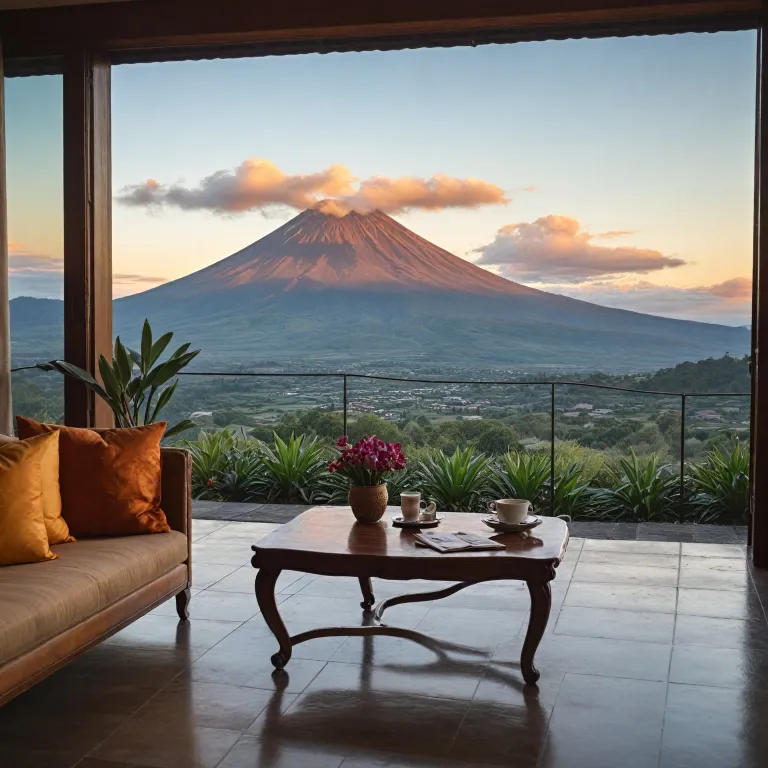
In the Andean highlands around Quito, the dry season typically runs from June to September, offering clear skies and crisp days ideal for rooftop terraces and panoramic suites. During this time, daytime weather is pleasantly cool, while nights invite fireplaces, hot tubs, and high thread count linens in carefully curated rooms. The same highlands in the wetter time of year, from roughly October to May, bring afternoon showers that can feel atmospheric when viewed from a spa pool or glass walled lounge.
On the Pacific coast, the best time to visit depends on whether you prioritise sunny beach days or softer, more humid air that enhances wellness retreats. The coast experiences a warm, often wetter season from about January to April, when the sea is inviting and resort pools feel particularly indulgent. Later in the year, the dry season on the coast brings fresher evenings, ideal for open air dining and extended stays in discreet luxury properties.
For the Galápagos Islands, the official guidance is clear : "The Galápagos Islands can be visited year-round, but December to February offer warmer waters suitable for snorkeling, while June to September attract diverse marine life due to cooler waters." This means the best time to go to Ecuador for a combined mainland and Galápagos itinerary depends on whether you prefer warm water comfort or peak wildlife encounters. Luxury yachts and high end lodges in the Galápagos adapt their experiences to each season, tailoring excursions, menus, and wellness offerings to the prevailing conditions.
Aligning Ecuador’s regions, seasons, and premium hotel expectations
When you plan to visit Ecuador for a luxury escape, it helps to think in terms of four distinct regions : coast, highlands, Amazon, and Galápagos Islands. Each region has its own rainy season, dry season, and transitional months that influence not only weather but also the style of service and activities. The best time of year for one traveler might be a quieter, more contemplative period for another, especially when you value privacy and personalised attention.
In the highlands, the dry season from roughly June to September is often considered the best time to go to Ecuador for clear mountain views, cultural festivals, and high altitude hikes. During these months, luxury hotels in Quito and nearby valleys can curate sunrise breakfasts, private guides, and chauffeured transfers that take full advantage of stable weather. The wet season, from October to May, still offers excellent travel opportunities, with afternoon showers that rarely disrupt full days but instead encourage spa sessions, wine tastings, and extended dinners.
Along the coast, the wet season from about January to April brings warmer sea temperatures and lush landscapes that suit wellness focused resorts. Many premium properties design their experiences around this wet season, offering shaded cabanas, cooling pools, and curated menus that highlight fresh seafood. Later in the dry season, from May onwards, the coast becomes more temperate, and this time of year is ideal for long walks, sunset cocktails, and quieter beaches.
For travelers combining the mainland with the Galápagos Islands, it is helpful to think in terms of specific months such as June July, Jul Aug, aug sep, sep oct, oct nov, and nov dec. These periods shape both wildlife encounters and the feel of your cabin or suite aboard a luxury vessel. If you are planning adventure tourism with elevated comfort, you can also consult specialised guidance on luxury and premium hotel booking in Ecuador for adventure experiences, which often integrates seasonal advice.
Seasonal nuances for Galápagos, Amazon, and highlands in luxury context
For many guests, the best time to go to Ecuador is defined by the Galápagos, yet the islands reward visits in every season. From December to February, the weather is warmer and the sea is more comfortable for long snorkeling sessions, which suits travelers who value ease and extended time in the water. During June July and Jul Aug, cooler currents arrive, bringing extraordinary marine life that appeals to guests who prioritise rare encounters over warmer temperatures.
When you plan to visit the Galápagos Islands, consider how each time of year influences your preferred style of luxury. Warmer months such as jan feb and feb mar are ideal if you enjoy sun decks, light clothing, and longer evenings on open air terraces. Cooler months like aug sep and sep oct can feel more invigorating, with crisp breezes that pair beautifully with fine dining indoors and attentive service in climate controlled suites.
In the Amazon region of Ecuador, the concept of a single dry season is more nuanced, as the rainforest remains humid throughout the year. However, some lodges note relatively drier stretches that can make certain trails more accessible, while the wet season enhances river levels and wildlife viewing from canoes. The best time to go to Ecuador for an Amazon stay often depends on whether you prefer more navigable waterways or easier forest walks.
The Andean highlands, including Quito, maintain relatively stable temperatures, with an average around 22 °C, which supports luxury stays throughout the year. During the dry season, clear skies highlight volcano views from panoramic suites, while the rainy season brings dramatic clouds that feel cinematic from heated pools and spa decks. Whether you travel Ecuador in oct nov, nov dec, or any other period, premium properties in the highlands are adept at tailoring experiences to the prevailing weather.
Month by month timing, from jan feb to nov dec, for refined stays
For travelers seeking precision, thinking in terms of specific months helps refine the best time to go to Ecuador. In jan feb, coastal and Galápagos waters are warm, making this time of year ideal for guests who prioritise swimming, snorkeling, and relaxed days on deck. Premium hotels and yachts often adjust menus and wellness offerings to lighter, fresher options that suit the climate.
During feb mar and mar apr, the rainy season on parts of the coast and in some lowland areas can intensify, yet this wet season also brings lush scenery and fewer crowds. For luxury travelers, this can translate into more attentive service, better room availability, and attractive packages that still maintain high standards. In the highlands, afternoon showers remain common, but mornings are often clear enough for curated excursions and private cultural experiences.
By the time you reach apr may and may jun, many regions transition toward a drier pattern, especially in the Andes and some coastal stretches. This transitional season can be the best time to go to Ecuador if you value balance between pleasant weather and moderate visitor numbers. Luxury properties use these months to highlight outdoor dining, rooftop cocktails, and bespoke day trips that take advantage of comfortable temperatures.
From jun jul and June July through Jul Aug, aug sep, and sep oct, the dry season is more established in the highlands, while the Galápagos sees cooler waters and exceptional wildlife. These months are often considered the best time for guests who want active days and crisp evenings, especially when combined with high end accommodations. As you move into oct nov and nov dec, patterns shift again, and planning your time visit with expert advice ensures that each region of Ecuador, from coast to Amazon, aligns with your expectations.
How many days to stay, and how seasons shape luxury itineraries
Once you have identified the best time to go to Ecuador, the next question is how many days to allocate to each region. For a refined itinerary that includes the highlands, coast, and Galápagos, many travelers plan at least ten to fourteen days, allowing time to adjust to altitude and enjoy unhurried stays. Shorter trips are possible, but premium experiences benefit from a slower rhythm that lets you fully appreciate each property’s amenities.
In Quito and the surrounding highlands, three to five days provide enough time to explore historic quarters, enjoy spa treatments, and take curated day trips. During the dry season, you might dedicate more days to outdoor activities, while the rainy season encourages longer spa sessions and extended meals in elegant dining rooms. The best time of year for these highland stays depends on whether you prefer clear skies or a more atmospheric, misty ambiance.
For the Galápagos Islands, many luxury cruises and lodge based programs recommend at least five to seven days, regardless of whether you travel in dec jan, jan feb, feb mar, or later in the year. This allows you to experience multiple islands, varied wildlife, and different microclimates without rushing. Because the islands can be visited year round, the best time to go to Ecuador for Galápagos focused travel often hinges on your tolerance for heat, humidity, and sea motion.
On the coast and in the Amazon, three to four days in each region can deliver a satisfying balance between relaxation and exploration. During the wet season, you may choose properties with strong indoor wellness facilities, while the dry season favours open air lounges and extended excursions. For more detailed planning, you can read expert guidance on elevating your Ecuador journey with luxury and premium hotel booking websites, which often integrates seasonal and regional advice.
Practical tips for timing, booking, and reading seasonal signals
To make the most of the best time to go to Ecuador, it is essential to align booking strategies with seasonal patterns. High demand periods, especially during school holidays and popular months such as June July, Jul Aug, and dec jan, often require reservations several months in advance. Luxury and premium hotel booking websites can help you compare availability across regions, ensuring that your time visit matches your preferred style of travel.
When you travel Ecuador during the rainy season, particularly in the Andes and Amazon, pack layers and quick drying fabrics that maintain comfort between excursions and fine dining. Many high end properties provide umbrellas, dehumidifiers, and thoughtful amenities that turn wet season showers into part of the experience rather than an inconvenience. In the dry season, sun protection and hydration become more important, especially at altitude and on the coast.
Because Ecuador spans multiple regions with distinct microclimates, it is wise to read detailed forecasts rather than relying on a single national summary. Weather services and official tourism resources from the Ecuadorian Ministry of Tourism can clarify how each season affects specific destinations. This helps you choose the best time of year for your priorities, whether that is wildlife, gastronomy, wellness, or cultural immersion.
Finally, remember that the best time to go to Ecuador is not only about weather but also about how you like to travel. Some guests prefer the energy of peak months, while others value the calm of shoulder seasons such as oct nov and nov dec. By combining trusted information, careful reading of seasonal patterns, and the flexibility to adapt your days on site, you can create a luxury itinerary that feels both effortless and deeply rewarding.
Key statistics on climate and comfort for Ecuador luxury travel
- Average daytime temperature in Quito is around 22 °C, offering comfortable conditions for year round luxury stays in the highlands.
- Average daytime temperature in Guayaquil is around 29 °C, which supports warm weather escapes on the coast and easy access to nearby beach destinations.
- Seasonal variation in the Galápagos includes warmer waters from December to February and cooler, wildlife rich conditions from June to September, both suitable for premium cruises.
Essential questions about the best time to go to Ecuador
What is the best time to visit the Galápagos Islands?
The Galápagos Islands can be visited year-round, but December to February offer warmer waters suitable for snorkeling, while June to September attract diverse marine life due to cooler waters. For luxury travelers, warmer months favour extended time on deck and in the water, while cooler months emphasise exceptional wildlife encounters. Your choice of time of year should reflect whether you prioritise comfort in the sea or the breadth of species you hope to see.
Is it safe to travel to Ecuador during the wet season?
Yes, it's safe to travel during the wet season, but travelers should be prepared for afternoon showers, especially in the Andes region. Premium hotels and lodges are accustomed to these patterns and design their services, transfers, and excursions to accommodate changing conditions. With appropriate clothing, flexible planning, and guidance from experienced staff, the wet season can still be an excellent time to go to Ecuador for a high end stay.