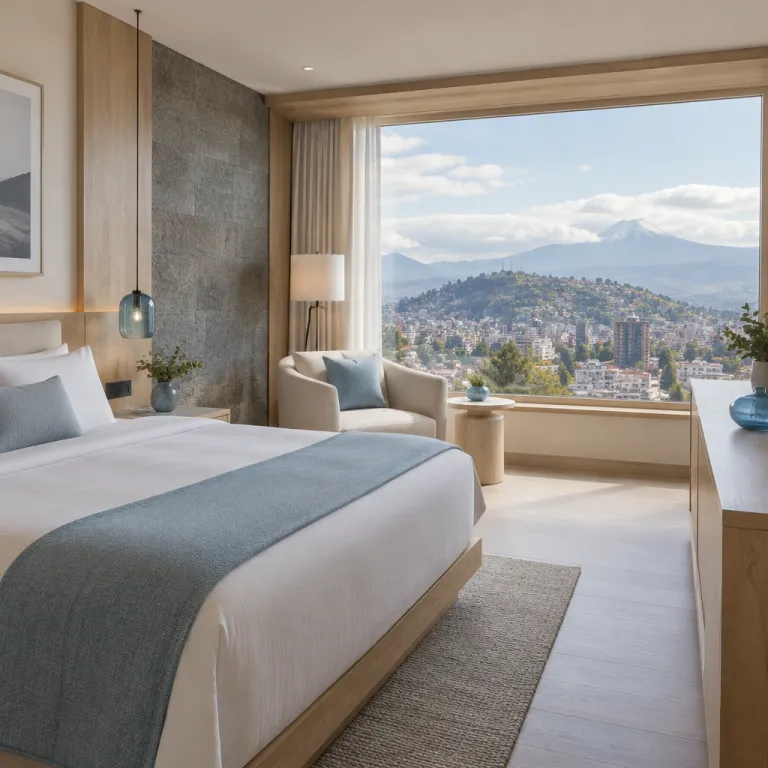
Quito, elevated elegance in the Ecuador capital city
Quito, officially San Francisco de Quito, is the Ecuador capital city where political power and refined hospitality meet. Set at approximately 2 850 meters above sea level in the Pichincha Province, this elongated city stretches along the Andes and offers luxury travelers rare views over the Pichincha volcano and the surrounding valleys. As the administrative center of Ecuador and one of the most historic cities in South America, Quito combines colonial charm with contemporary comfort in a way that feels both intimate and grand.
The historic center of Quito, recognized as a UNESCO World Heritage Site, forms the cultural heart of the capital and is where many premium hotels occupy restored mansions around each plaza and church. Here you can walk from Plaza Grande to the imposing Basílica del Voto Nacional, then continue toward the church of San Francisco and its vast plaza, all while staying within a compact area that rewards slow travel and careful hotel selection. Because the city sits at high altitude, luxury properties in Quito Ecuador often emphasize wellness, oxygen enriched rooms, and tranquil courtyards where guests can take time to acclimate in comfort.
San Francisco de Quito was founded during the Spanish colonial era and still reflects Spanish Quito urban planning, with a clear center, gridded streets, and religious monuments that dominate the skyline. The Basílica del Voto Nacional, often simply called the Basílica del Voto, rises above the city Quito with neo Gothic towers that many hotels use as a visual reference point for guests. When you plan to visit Ecuador Quito for a premium stay, consider how close you wish to be to the historic center, to the north business districts, or to the slopes of the Pichincha volcano, because each area of the city offers a distinct style of luxury.
Historic center luxury: where heritage hotels frame every plaza
The historic center of Quito is one of the best preserved colonial cores in South America and a natural stage for high end hospitality. Around Plaza Grande, the main square of the Ecuador capital city, several luxury hotels occupy former aristocratic homes, offering suites with balconies that overlook the cathedral, the presidential palace, and the daily life of the city. From these properties, guests can walk in a few minutes to the Basílica del Voto Nacional, the church and plaza of San Francisco, and many of the most important museums in Quito Ecuador.
Staying in the historic center places you within easy reach of the main religious and civic monuments that define Spanish Quito identity. You can start the day with a private guided visit of the Basílica del Voto, continue to the church of San Francisco and its cloisters, then end with a sunset drink on a rooftop terrace facing the Pichincha volcano and the distant north of the city. For travelers comparing things to do in Quito, this area offers the highest concentration of cultural experiences within a small radius, which makes it ideal if you prefer to minimize transfers and maximize time on foot.
Many premium hotels in the center integrate original stonework, courtyards, and carved wooden balconies, while adding modern comforts such as spa facilities and fine dining restaurants that reinterpret recipes from across Ecuador. If you are planning what to do in Quito Ecuador for an elegant city stay, you will find that several properties curate private access to churches after hours, arrange organ recitals in historic naves, or organize exclusive tours of Plaza Grande and nearby convents. This blend of heritage and service is what sets the historic center of the Ecuador capital city apart from other urban destinations in South America for discerning guests.
Modern north Quito: urban luxury near parks, business and nightlife
North of the historic center, the city Quito shifts into a more contemporary landscape of glass towers, embassies, and residential avenues that appeal to travelers seeking a modern urban environment. Here, luxury hotels cluster around key arteries and near major green spaces such as Parque La Carolina, a vast park that functions as the recreational lung of Quito Ecuador. This part of the capital city offers easy access to shopping centers, corporate offices, and some of the city’s most sophisticated restaurants and cocktail bars.
For business travelers or guests who value streamlined logistics, the north of the city provides faster routes to Mariscal Sucre International Airport and to the main highways that connect Quito with other regions of Ecuador. Many properties in this area offer executive floors, large meeting rooms, and wellness centers designed for guests who balance work and leisure during their travel in South America. If you are comparing refined urban luxury stays in Ecuador for discerning travelers, you will notice that north Quito hotels often emphasize panoramic views toward the Pichincha volcano and the surrounding Andes, creating a dramatic backdrop for both business and relaxation.
While the historic center focuses on plazas and churches, the north highlights parks, galleries, and contemporary culture, which gives you a different set of things to do in Quito during your stay. You might spend the morning jogging in the park, the afternoon in a spa suite overlooking the city, and the evening exploring gastronomic venues that reinterpret flavors from across Ecuador. This area of Quito Ecuador is particularly convenient if you plan to combine the Ecuador capital city with excursions to nearby destinations such as Otavalo, where elegant stays near the famous market can be explored through resources like Otavalo elegance and refined stays.
Airport access and arrival: from Mariscal Sucre to the city’s luxury districts
Most international travelers arrive in the Ecuador capital city through Mariscal Sucre International Airport, located in the Tababela area to the east of Quito. This modern international airport replaced the former Sucre International facility in the urban center and now handles long haul flights from across North America, South America, and Europe. Transfer times from Mariscal Sucre to the main hotel districts in Quito Ecuador typically range from 45 to 70 minutes, depending on traffic and whether you are heading to the historic center or to the north of the city.
Premium hotel booking platforms focused on Ecuador often highlight properties that offer private airport transfers, early check in options, and lounges where guests can rest after overnight flights. When you select a luxury hotel in city Quito, consider whether you prefer to stay in the historic center, where narrow streets and plazas create a sense of immersion, or in the north, where wider avenues make arrivals and departures more fluid. Some high end hotels also maintain desks at or near the airport, allowing guests to coordinate last minute changes to their travel plans before entering the city.
Because Quito sits at high altitude and many visitors connect directly from low lying cities in North America or Europe, it is wise to plan a gentle first day in the Ecuador capital city. Several luxury properties design arrival day experiences that include light meals, hydration focused spa treatments, and access to quiet lounges with views of the Pichincha volcano or of the city skyline. If you are planning a broader itinerary of refined urban luxury stays in Ecuador, resources such as refined urban luxury stays in Ecuador can help you coordinate Quito with other cities while keeping airport logistics and transfer times in balance.
Signature landmarks: plazas, churches and viewpoints that shape luxury itineraries
Luxury travelers in Quito often structure their stay around the city’s most emblematic landmarks, many of which lie within or near the historic center. Plaza Grande, framed by the cathedral, the presidential palace, and arcaded buildings, serves as the ceremonial heart of the Ecuador capital city and a natural starting point for private walking tours. From here, guides typically lead guests toward the Basílica del Voto Nacional, the church and plaza of San Francisco, and other highlights that define the skyline of Quito Ecuador.
The church of San Francisco and its vast plaza San Francisco form one of the most atmospheric spaces in city Quito, especially in the early evening when lights illuminate the baroque façade. Many high end hotels arrange exclusive access to the cloisters or organize small group visits that focus on colonial art, religious history, and the role of San Francisco de Quito as a spiritual center in South America. Nearby, the Basílica del Voto Nacional offers tower climbs with sweeping views over the capital city, the Pichincha volcano, and the dense urban fabric that stretches north and south along the valley.
Beyond the churches and plazas, viewpoints such as El Panecillo and the slopes of the Pichincha volcano provide dramatic perspectives over Quito Ecuador, especially at sunrise and sunset. Some luxury properties coordinate private transfers and curated picnics at these sites, allowing guests to experience the scale of the Ecuador capital city while enjoying elevated service. When you plan your visit, consider how much time you wish to dedicate to these landmarks, because they shape not only your photographs but also your understanding of how the city connects its colonial past with its contemporary role in South America.
Mitad del Mundo, parks and volcano views: day experiences from the Ecuador capital city
One of the most popular excursions from Quito is the Mitad del Mundo complex, where visitors engage with the concept of the equator and its role in Ecuador’s identity. Many luxury hotels in the Ecuador capital city offer private drivers and guides for a half day visit to Ciudad Mitad del Mundo, combining the monument with nearby viewpoints over the valleys north of the city. This experience pairs well with an afternoon at a high end spa back in Quito Ecuador, where you can relax after time spent outdoors.
Within the city itself, parks such as Parque La Carolina and Parque Metropolitano provide green spaces where residents and travelers enjoy walking, cycling, and open air art. Premium hotels often design wellness programs that incorporate guided runs in the park, yoga sessions with views toward the Pichincha volcano, or picnics curated by in house chefs. These activities show another side of city Quito, one where the capital city feels less like a dense urban center and more like a high altitude garden framed by mountains.
For guests who wish to explore further, day trips from Quito Ecuador can include visits to cloud forests, crater lakes, and traditional markets, all reachable within a few hours by road. Combining the Ecuador capital city with nearby destinations allows you to experience both urban sophistication and the natural drama of the Andes during a single journey. When planning such itineraries, many travelers consult specialized platforms that focus on elegant experiences across Ecuador, ensuring that each segment of their travel maintains the same standard of service and comfort.
How to choose the right luxury hotel in Quito for your trip
Selecting a luxury hotel in the Ecuador capital city starts with clarifying your priorities, whether they are heritage, business convenience, wellness, or culinary exploration. If your main interest lies in history and architecture, staying near Plaza Grande, the church of San Francisco, and the Basílica del Voto Nacional will keep you close to the most important monuments in Quito Ecuador. Travelers who focus on meetings, shopping, and nightlife may prefer the north of city Quito, where modern towers, parks, and restaurants define the urban landscape.
Room categories in high end properties often range from compact yet refined spaces to expansive suites with views over the Pichincha volcano or the tiled roofs of the historic center. When comparing options, pay attention to altitude related amenities, spa facilities, and the quality of concierge services, especially if you plan to arrange private visits to churches, plazas, or the Mitad del Mundo area. Many experienced concierges in the Ecuador capital city maintain strong relationships with local guides, drivers, and cultural institutions, which can transform a standard stay into a tailored experience.
Finally, consider how your Quito hotel fits into your broader travel in South America, particularly if you are combining the capital city with the Galápagos, the Amazon, or other Andean destinations. A well chosen property in Quito Ecuador can provide both a soft landing at the start of your journey and a restorative pause before long haul flights from Mariscal Sucre International Airport. As one local expert succinctly puts it, “San Francisco de Quito was founded during the Spanish colonial era and still reflects Spanish Quito urban planning, with a clear center, gridded streets, and religious monuments that dominate the skyline.”
Key figures about Quito, the elevated Ecuador capital city
- The elevation of Quito is approximately 2 850 meters above sea level, which makes it one of the highest capital cities in South America and a place where travelers should allow time to acclimate according to official measurements from municipal authorities.
- The population of the city proper is around 1.76 million inhabitants, while the metropolitan area reaches close to 2.68 million residents, based on recent Ecuador census and INEC census data that highlight Quito’s role as a major urban center.
- The area of the city proper covers about 197.5 square kilometers, a relatively compact footprint that explains why the historic center is best explored on foot while newer districts extend north and south along the Andean valley.
- Quito’s historic center was among the first urban areas in the world to be inscribed as a UNESCO World Heritage Site, a recognition that has driven extensive restoration efforts and influenced the development of sustainable tourism and high end hospitality in the Ecuador capital city.
FAQ about luxury stays in Quito, Ecuador’s capital city
What is the official name of Quito and where is it located ?
The official name of the Ecuador capital city is San Francisco de Quito, and it serves as the political and administrative center of Ecuador. The city lies in the Pichincha Province in the Sierra region of the Andes, positioned roughly at 0°13′ south latitude and 78°30′ west longitude. This central Andean location makes Quito a strategic base for travel across the country.
How high is Quito and how does altitude affect luxury travelers ?
Quito sits at an elevation of about 2 850 meters above sea level, which can affect visitors who arrive directly from low altitude cities. Many luxury hotels in the Ecuador capital city offer advice, hydration options, and gentle first day activities to help guests acclimate comfortably. Travelers are usually encouraged to rest, avoid heavy meals, and plan demanding excursions for later in their stay.
Why was Quito chosen as the capital city of Ecuador ?
Quito became the Ecuador capital city because of its central location in the Andes and its historical role as a regional administrative hub during the Spanish colonial era. The city’s position in the Pichincha Province allows relatively balanced access to coastal, Amazonian, and highland regions. Over time, this centrality reinforced Quito’s status as the seat of government and a symbol of national identity.
What makes the historic center attractive for luxury hotel stays ?
The historic center of Quito offers a dense concentration of colonial architecture, plazas, and churches, including Plaza Grande, the church of San Francisco, and the Basílica del Voto Nacional. Many luxury hotels occupy restored mansions around these landmarks, combining heritage features with contemporary comfort and personalized service. This setting allows guests to experience the cultural core of the Ecuador capital city largely on foot.
How does Mariscal Sucre International Airport connect to Quito’s main hotel areas ?
Mariscal Sucre International Airport lies east of Quito and serves as the primary international gateway to the Ecuador capital city. Private transfers and hotel arranged transport typically take between 45 and 70 minutes to reach either the historic center or the modern north districts, depending on traffic. Luxury travelers often choose properties that coordinate seamless airport pickups and flexible check in to ease arrival after long flights.