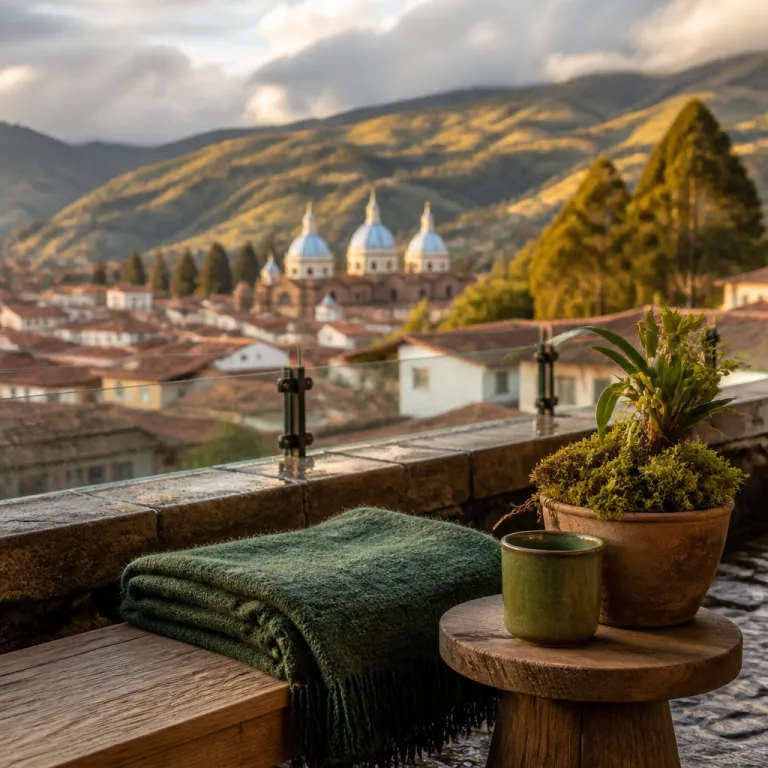
Cuenca Ecuador altitude and the character of a highland luxury stay
Cuenca sits in southern Ecuador at an altitude of about 2,530 meters above sea level. This high-Andes setting shapes every luxury stay in the city and gives Cuenca a distinctive light, climate, and rhythm of day and night. For travelers planning refined journeys in Latin America, understanding how Cuenca’s elevation influences comfort, wellness, and hotel choice is essential.
The city lies in the province of Azuay, often written as Ecuador Azuay in travel guides, and its average elevation creates a cool, spring-like atmosphere. That height above sea level means that even on a bright day the air feels crisp, which many guests find ideal for walking between a luxury hotel, a colonial plaza, and a nearby park. Because the elevation is significantly higher than coastal regions, altitude sickness can occur in Cuenca, especially during the first day or two of your stay.
Official geographical data from Ecuador’s national cartographic services confirm that Cuenca’s altitude is approximately 2,530 meters above sea level (Instituto Geográfico Militar, 1:50,000 topographic sheets). In the dataset used by many hotel and travel planners, the answer to the question “What is Cuenca's altitude?” is given as “Approximately 2,530 meters above sea level,” and this figure is widely accepted by local tourism authorities. The same expert material also states “Can altitude sickness occur in Cuenca? Yes, due to its high elevation,” which is crucial information when selecting a high-altitude retreat or planning a multi-city itinerary that includes Quito, Cuenca, and the Galápagos Islands.
The historic center of Cuenca, officially named Santa Ana de los Ríos de Cuenca, is a UNESCO World Heritage Site recognized for its harmonious colonial grid and elegant churches. According to UNESCO’s World Heritage listing for Cuenca (inscription 1999, criteria ii, iv, v), this designation reflects how the colonial city layout, the surrounding rios Cuenca, and the Andean elevation together create a rare urban landscape. When you study a map of the city, you see how the four rivers, including the Tomebamba, cut through the high plateau and give luxury hotels river views that feel far removed from the heat of lowland Ecuador.
Because of the high altitude, many premium hotels in Cuenca now integrate wellness features tailored to the city’s average elevation. Verified examples include properties that advertise oxygen-enriched relaxation rooms, herbal teas prepared by local staff, and slow-paced check-in rituals to help guests acclimate and reduce the risk of altitude sickness (as reported in hotel descriptions on major booking platforms in 2023). As one concierge at a leading boutique hotel explained to a recent guest, “We design your first 24 hours around rest, hydration, and gentle exploration so the mountain air feels like a gift, not a challenge.” For travelers sensitive to thinner air, these thoughtful touches can make the difference between a difficult first day and a serene arrival in one of Latin America’s most graceful cities.
Choosing luxury hotels in Cuenca city with altitude and comfort in mind
When you book a luxury hotel in Cuenca Ecuador, altitude should be considered alongside service level and design. The city’s average elevation of around 2,530 meters means that even a short walk from the lobby to the historic center can feel more intense than a similar stroll at sea level. Selecting a property that understands high-altitude hospitality will enhance both your comfort and your appreciation of this colonial heritage site.
Many of the finest hotels are located near the historic center of Santa Ana de los Ríos de Cuenca, where cobbled streets, Spanish façades, and leafy plazas create a refined urban resort atmosphere. In this part of the city, elevation and architecture meet, as colonial courtyards provide sheltered spaces where the high Andean sun feels gentle rather than harsh. When browsing a detailed map of Cuenca, look for addresses close to Parque Calderón and the blue domes of the Catedral de la Inmaculada, because this area balances panoramic views with easy walking access.
Altitude sickness in Cuenca is less common than in higher cities such as Quito, yet it remains a real consideration for luxury travelers arriving from coastal Ecuador or from international long-haul flights. The dataset used by many travel planners advises “How to prevent altitude sickness in Cuenca? Acclimate gradually, stay hydrated, and avoid strenuous activities initially,” and the best hotels quietly build these guidelines into their service rituals. Expect staff to suggest light activities on your first day, offer coca or herbal infusions, and recommend that you enjoy the hotel spa rather than a demanding hike while your body adjusts to the thinner air.
For guests planning a broader Ecuador Azuay and Galápagos Islands itinerary, Cuenca’s elevation can be a gentle acclimatization step between Quito and lower destinations. Some travelers start in Quito at a slightly higher elevation, then move to Cuenca to enjoy a more relaxed city pace before flying to the Galápagos Islands for sea-level adventures. If you are curating a multi-stop luxury journey, consult an exclusive guide to the best luxury suites in Ecuador for discerning travelers, such as a specialist Ecuador-focused travel resource, to align room categories, spa facilities, and altitude profiles across each city.
Room selection within Cuenca hotels can also influence how you experience the city’s altitude and climate. Suites on higher floors often offer sweeping views over the rios Cuenca and the tiled roofs of the colonial center, but they may feel cooler at night due to the high-elevation air. Ground-floor rooms opening onto sheltered gardens or a private park-style courtyard can provide a more stable temperature, which some guests appreciate during their first night at this average elevation.
Highland retreats near Cuenca and the role of Cajas National Park
Beyond the city limits, the high-altitude landscapes around Cuenca Ecuador create some of the most atmospheric highland retreats in Latin America. West of the city, Cajas National Park, often called Cajas National in local usage, rises to elevations well above the average elevation of Cuenca itself. This national park is a mosaic of glacial lakes, páramo grasslands, and cloud forest, and its high-mountain environment demands careful planning from luxury travelers.
Many premium lodges and haciendas in the province Azuay position themselves as gateways to Cajas National Park while still offering easy access to the colonial streets of Cuenca. These properties understand that guests may arrive from sea-level regions such as Los Ríos province or from coastal cities elsewhere in Ecuador, and they design itineraries that respect the body’s need to adapt to altitude. A typical plan might include a gentle first day exploring a local park in the city, followed by a second day with a guided walk at a moderate elevation inside the national park.
Because Cajas National Park reaches significantly higher elevations than Cuenca’s 2,530 meters, altitude sickness is more likely during ambitious hikes or long day trips. Luxury-focused operators therefore emphasize slow travel, private guides, and flexible schedules that allow guests to descend back to the average elevation of Cuenca if they feel unwell. When you review a map of the region, you will see how the road from Cuenca to Cajas National Park climbs quickly, reinforcing the need for gradual acclimatization and attentive planning.
Some travelers combine a stay in Cuenca with time at historic Andean estates elsewhere in Ecuador, using the city’s altitude as a comfortable midpoint. A notable example is the immersive stay on a historic Andean estate at Hacienda Zuleta in northern Ecuador, which is presented in detail by the property’s own historical archives and hospitality materials and pairs beautifully with a Cuenca and Cajas National Park itinerary. By alternating nights at the average elevation of Cuenca with nights at slightly different altitudes in other regions, you can experience a rich cross section of Andean life without overtaxing your body.
For guests who value wellness, the high-altitude environment around Cuenca encourages a slower, more reflective style of travel. Morning yoga on a terrace overlooking the rios Cuenca, followed by a guided visit to the UNESCO-listed historic center, and then an afternoon drive to a viewpoint above Cajas National Park creates a balanced day. This rhythm respects both the physiological realities of high elevation and the cultural depth of Santa Ana de los Ríos de Cuenca as a living heritage site.
Health, altitude sickness, and practical planning for luxury travelers
Altitude sickness in Cuenca Ecuador is usually mild, yet luxury travelers should still plan with care. The city’s altitude of about 2,530 meters above sea level places it firmly in the high-altitude category, even if it is lower than some Andean capitals. Sensible preparation allows you to enjoy the colonial charm of the historic center and the nearby national park landscapes without unnecessary discomfort.
Medical guidance for high-altitude travel emphasizes three simple principles that apply directly to Cuenca and its surroundings. First, acclimate gradually to elevation by spending at least one full day at the city’s average height before attempting strenuous hikes in Cajas National Park or other high-altitude areas. Second, stay hydrated and avoid excessive alcohol, especially on your arrival day, because the dry Andean air and the elevation together can intensify dehydration and fatigue.
Third, avoid strenuous activities initially, particularly if you are arriving from sea-level regions such as Los Ríos or from international flights that cross multiple time zones. Many luxury hotels in Cuenca Ecuador design their first-day programs around gentle walking tours of the historic center of Santa Ana de los Ríos de Cuenca, spa treatments, and relaxed Spanish language cooking classes with local chefs. This approach respects both the body’s need to adapt to the high Andes and the traveler’s desire to engage meaningfully with Ecuadorian culture.
Guests with a history of altitude sickness or cardiovascular conditions should consult a physician before planning a high-altitude itinerary that includes Quito, Cuenca, and possibly the Galápagos Islands. A doctor can advise whether to start at a lower elevation, such as coastal Ecuador, before ascending to the average elevation of Cuenca and then to higher destinations. In some cases, prescription medication for altitude sickness may be recommended, but even with medication, the core strategies of gradual ascent, hydration, and rest remain essential.
Luxury travel planners who specialize in Ecuador Azuay and wider Latin America often build itineraries that move from lower to higher elevations in a logical sequence. For example, a guest might begin with a refined stay at a coastal property, then fly to Quito for a short high-altitude visit, continue to Cuenca for a few days at a slightly lower elevation, and finally relax at sea level in the Galápagos Islands. This thoughtful progression allows the body to adapt while still enjoying the full spectrum of Ecuador’s landscapes, from the colonial streets of Cuenca to the volcanic shores of the archipelago.
Culture, language, and the sense of place at Cuenca’s elevation
The altitude of Cuenca Ecuador does more than shape climate and health considerations; it also influences the city’s cultural atmosphere. At 2,530 meters above sea level, the light is clear, the air is thin, and sounds carry differently across the tiled roofs of the historic center. This high-altitude clarity enhances the colors of colonial façades, the blue domes of the cathedral, and the green of every riverside park along the rios Cuenca.
Spanish is the dominant language in Cuenca, yet the cadence of local speech reflects centuries of interaction between colonial settlers and Indigenous communities with Inca and pre-Inca roots. In the streets of Santa Ana de los Ríos de Cuenca, you may hear Kichwa words woven into Spanish conversations, especially in markets where local artisans sell textiles and ceramics. This linguistic blend, set against the backdrop of a UNESCO World Heritage city at high elevation, gives Cuenca a sense of place that feels both intimate and cosmopolitan.
Luxury hotels in the province Azuay often curate cultural experiences that highlight how altitude, history, and daily life intersect. A guided walk through the historic center might include visits to colonial churches named for San Sebastián or San Blas, where the cool high-altitude air preserves centuries-old paintings and sculptures. Another curated experience could focus on the Inca and pre-Inca foundations of the city, with a private tour of Pumapungo archaeological park followed by a tasting of local cuisine that reflects both Andean and Spanish influences.
The city’s average elevation also shapes its calendar of cultural events, many of which take place outdoors in plazas and along riverfront promenades. Music festivals, art fairs, and religious processions benefit from the mild daytime temperatures that the high Andes provide, allowing visitors to linger comfortably in the open air. For luxury travelers, this means that a well-located hotel near a central park or along the rios Cuenca can serve as both a quiet retreat and a front-row seat to the city’s cultural life.
Even short walks through Cuenca Ecuador feel different because of the combination of altitude, colonial architecture, and river valleys. A stroll from a refined hotel in the historic center down to the Tomebamba river, then up again to a terrace overlooking the city, offers constant shifts in elevation and perspective. These gentle climbs and descents, set within a UNESCO-listed cityscape, remind visitors that Cuenca is not only a place to sleep between excursions but a high-altitude cultural landscape to be savored slowly.
Designing a multi region Ecuador itinerary around Cuenca’s altitude
Cuenca Ecuador altitude plays a strategic role when designing a multi-region luxury itinerary across the country. Because the city’s average elevation is lower than Quito yet still firmly in the high-altitude range, it can serve as a comfortable bridge between higher Andean cities and sea-level destinations. Thoughtful sequencing of stays in Cuenca, Quito, and the Galápagos Islands helps minimize altitude sickness while maximizing cultural and natural diversity.
One elegant route begins in Quito, where the high-altitude environment introduces travelers to Andean life in a bustling capital. After a few days, guests transfer to Cuenca in the province Azuay, where the slightly lower average elevation and the colonial charm of Santa Ana de los Ríos de Cuenca create a more relaxed pace. From there, a flight to the Galápagos Islands returns travelers to sea level, offering a restorative contrast to the thinner air of the highlands.
Another sophisticated itinerary starts at sea level in coastal Ecuador or in the agricultural province of Los Ríos, then ascends gradually to the average elevation of Cuenca city. This approach is particularly suitable for guests concerned about altitude sickness, because it allows the body to adapt before visiting higher regions such as Quito or high-altitude sections of Cajas National Park. Along the way, travelers can experience the full spectrum of Ecuador Azuay and neighboring provinces, from fertile lowlands to Andean plateaus.
For families or groups seeking a balance between highland culture and ocean-based adventure, combining Cuenca Ecuador with a land-based Galápagos stay can be especially rewarding. Resources such as a detailed article on Pikaia Lodge in high season, published by the lodge and specialist Galápagos travel planners, help travelers understand how a high-altitude city stay pairs with a luxury eco lodge at sea level. By aligning the rhythm of days in Cuenca’s historic center with days spent exploring Galápagos trails and beaches, you create a journey that feels both coherent and varied.
Throughout these itineraries, a clear map and an understanding of elevation changes are essential planning tools. Knowing that Cuenca’s altitude is approximately 2,530 meters above sea level, that Quito sits higher, and that the Galápagos Islands return you to sea level allows you to schedule rest days, spa time, and lighter activities at key points. In this way, Cuenca becomes not just a beautiful colonial stop, but a central anchor in a carefully calibrated high-altitude and low-altitude luxury journey across Ecuador.
Key figures about Cuenca Ecuador altitude and highland travel
- Cuenca’s altitude is approximately 2,530 meters above sea level, placing the city firmly in the high-altitude category where some travelers may experience mild altitude sickness during the first 24 to 48 hours (data referenced by regional hotel and tourism providers and Ecuador’s Instituto Geográfico Militar).
- The city of Cuenca, officially Santa Ana de los Ríos de Cuenca, was founded in the sixteenth century and later declared a UNESCO World Heritage Site, which means its colonial historic center is protected as a heritage site of outstanding universal value (designation recorded in UNESCO’s World Heritage List, 1999).
- Cajas National Park, located west of Cuenca in the province Azuay, reaches elevations above 3,000 meters, significantly higher than the average elevation of the city, so guided visits often include acclimatization advice and flexible routes (information published by Ecuador’s national park authorities and park management plans).
- Cuenca is one of several major Andean cities in Latin America situated above 2,000 meters, a group that includes Quito and La Paz, and this shared high-altitude context influences architecture, urban planning, and hospitality services across the region (comparative data from regional tourism boards and Andean city planning studies).
- Tourism statistics from Ecuador’s Ministry of Tourism show steady growth in international arrivals to high-altitude destinations such as Quito and Cuenca over recent decades, reflecting increased interest in Andean culture and heritage travel experiences (figures reported in annual tourism bulletins and sector reports).
FAQ about Cuenca Ecuador altitude and luxury stays
Can altitude sickness occur in Cuenca for most travelers ?
Yes, altitude sickness can occur in Cuenca because the city sits at about 2,530 meters above sea level, which qualifies as high altitude. Many visitors feel only mild symptoms such as slight headache or shortness of breath during the first day. Luxury hotels are accustomed to this and often provide hydration, gentle arrival activities, and advice to help guests acclimate.
How many days should I stay in Cuenca to adjust to the altitude ?
Most healthy travelers adjust to Cuenca Ecuador altitude within two to three days. Planning at least one easy day on arrival, with light walking in the historic center and minimal exertion, allows your body to adapt comfortably. If you intend to visit higher areas such as Cajas National Park, consider adding an extra day before undertaking demanding hikes.
Is Cuenca’s altitude lower than Quito’s altitude ?
Cuenca city is generally lower than Quito in terms of elevation, even though both are high-altitude Andean cities. Quito sits above 2,800 meters, while Cuenca’s average elevation is around 2,530 meters above sea level. Many itineraries use Cuenca as a slightly gentler highland stop either before or after time spent in Quito.
What should I look for in a luxury hotel in Cuenca regarding altitude ?
When choosing a luxury hotel in Cuenca Ecuador, look for properties that acknowledge the city’s altitude in their services. Features such as oxygen availability, wellness-focused arrival rituals, flexible check-in times, and staff trained to advise on altitude sickness are valuable. A central location near a park or the historic center also reduces the need for long uphill walks during your first day.
How does Cuenca’s altitude affect a combined trip with the Galápagos Islands ?
Because the Galápagos Islands are at sea level, combining them with Cuenca Ecuador creates a journey that alternates between high-altitude and coastal environments. Many travelers either start in the highlands and finish with a relaxing sea-level stay, or begin at sea level and then ascend gradually to Cuenca city. In both cases, understanding the altitude difference helps you schedule rest days and choose the right sequence for your luxury itinerary.