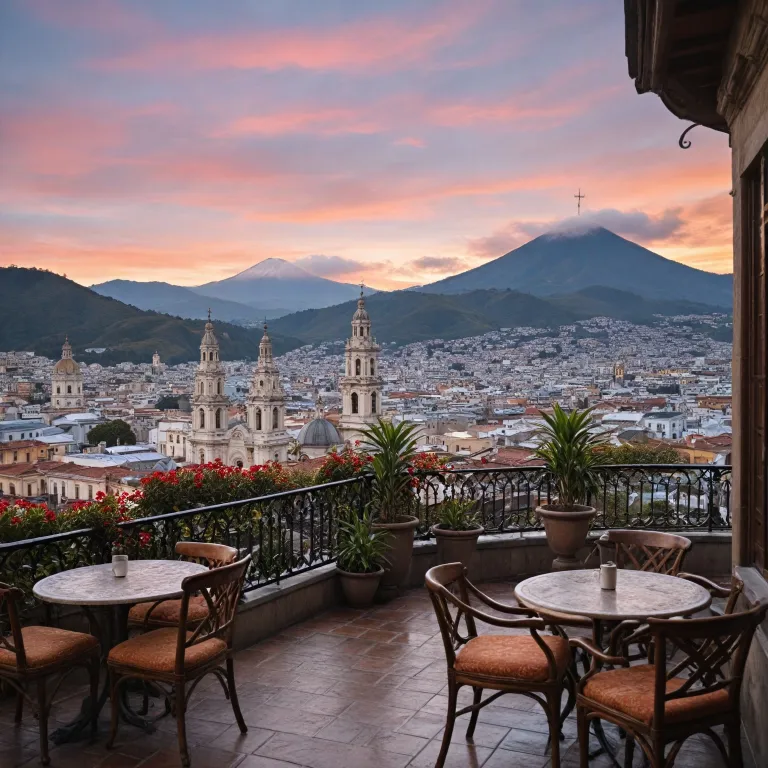
Quito Ecuador attractions for culture lovers and luxury travelers
Quito sits high in the Andes and offers a rare mix of heritage, scenery, and comfort. The capital of Ecuador rewards every curious visitor with a historic center of cobbled street networks, ornate church façades, and intimate plazas that feel timeless. At 2,850 meters above sea level, the city also demands gentle acclimatization, which makes slow, thoughtful exploration ideal for luxury guests.
For many travelers, the best way to start is with a curated walking tour through the historic center, where guides explain how the city grew around Plaza Grande and Plaza San Francisco. These experiences help you read the layers of history in each museum, each church, and each street, while your hotel concierge can arrange private access or after-hours visits. A tailored tour Quito experience often includes Casa Museo style stops, where restored mansions showcase colonial art and contemporary design side by side.
When planning things to do, combine major Quito Ecuador attractions with quieter corners that match your travel rhythm. A private guide can map out the best things to see in one best day, balancing headline sites like Mitad del Mundo and the monument at mitad del mundo with lesser-known viewpoints offering sweeping views city panoramas. Many premium hotels provide digital maps and curated lists of things Quito guests should not miss, from hidden street art alleys to refined hot chocolate tastings using single-origin Ecuador cacao.
Altitude, weather, and logistics matter as much as aesthetics for a smooth trip. The Quito Tourism Board notes that “Altitude acclimatization is recommended due to Quito's elevation of approximately 2,850 meters.” With that in mind, luxury travelers often schedule relaxed first day itineraries, enjoying slow breakfasts, short walking tour options, and spa time before tackling longer trips Quito into surrounding valleys.
Historic center highlights and premium stays around plaza grande
The historic center of Quito is a UNESCO-listed treasure where elegant stays sit steps from major landmarks. Around Plaza Grande, restored mansions host premium rooms with balconies that frame the city and its surrounding volcanoes, giving guests privileged views city scenes at sunrise and dusk. From here, you can easily visit the cathedral, the Presidential Palace, and several church complexes that define Quito Ecuador attractions for culture-focused travelers.
Plaza San Francisco is another anchor, with its vast stone forecourt and the church and convent of San Francisco rising above the square. Many travelers consider a private tour of this church complex one of the best things to do, especially when combined with a Casa Museo visit that explains the religious art and sculpture in context. A knowledgeable guide can help you read the symbolism in each painting, making the art feel alive rather than distant.
Luxury and premium hotel booking in this part of the city often centers on access and atmosphere. Guests want to step out onto a quiet street and immediately join a curated walking tour, or slip into a nearby museum without long transfers. For conscious travelers, it is worth exploring how high-end properties support local artisans and sustainable luxury trends in Ecuador through responsible sourcing and community partnerships, as outlined in this guide to sustainable luxury hotel booking for the conscious traveler.
Because the historic center can feel busy during the day, many guests plan a quieter evening food tour that highlights traditional street food in a controlled, safe way. Expert-led food tour experiences introduce you to empanadas, tamales, and rich hot chocolate made with local chocolate, while ensuring hygiene and comfort standards match premium expectations. This balance of authenticity and reassurance is central to modern luxury travel in Quito, Ecuador.
La floresta, street art, and creative food experiences in the city
Beyond the historic center, the La Floresta neighborhood has become a favorite for travelers who value creativity and calm. This part of the city blends residential streets, independent cinemas, and small galleries, making it ideal for a relaxed walking tour focused on street art and contemporary culture. Many Quito Ecuador attractions here are informal, so having reliable maps and local insight from your hotel concierge is invaluable.
Street art in La Floresta ranges from large political murals to delicate stencils tucked into side street corners. A dedicated street art tour Quito experience can help you read the social messages behind the images, while also pointing out the best cafés for a pause with hot chocolate or locally roasted coffee. Luxury travelers often appreciate private or small-group tours that allow time for photography and conversation with artists when possible.
Food is another highlight in La Floresta, where street food stalls coexist with refined restaurants that reinterpret Ecuador traditions. A curated food tour can move from a humble street food stand serving grilled corn to a tasting menu that pairs Ecuador chocolate with Andean ingredients in inventive ways. For guests staying in premium hotels elsewhere in the city, private transfers make it easy to enjoy these things Quito offers after dark and return safely.
Because La Floresta is less dense with formal museum spaces, guides often weave in Casa Museo style visits to artist homes or studios. These intimate spaces showcase art, design, and personal collections that broaden your understanding of the city beyond its colonial core. For many visitors, this combination of street art, food, and human connection becomes one of the best day memories of their trip.
Mitad del mundo, del mundo monument, and panoramic views city escapes
Many travelers associate Quito Ecuador attractions with the equator line, and a visit to Mitad del Mundo remains a classic experience. The monument at mitad del mundo sits just outside the city, where curated trips Quito operators offer half day or full day excursions with comfortable transport. For luxury guests, private vehicles, flexible timing, and expert guides turn what could be a simple photo stop into a deeper cultural and scientific exploration.
At the Mitad del Mundo complex, you can walk along the equatorial line, visit a small museum explaining local history, and enjoy views city outskirts framed by Andean peaks. Some itineraries combine this area with nearby viewpoints, where you can appreciate how the city stretches along the valley, making the altitude and geography more tangible. These routes are among the best things to schedule once you feel acclimatized and ready for longer outings.
Premium hotel concierges often coordinate bespoke tour Quito packages that link Mitad del Mundo with other interests. For example, you might pair the equator visit with a Casa Museo stop focused on astronomy or indigenous cosmology, or with a lunch featuring regional food specialties. Carefully planned maps and timing ensure that your best day outside the historic center remains unhurried, with space for photography and quiet reflection.
For travelers continuing to the Galápagos or the cloud forests, these equator-focused trips Quito can serve as a thematic bridge. If you are planning a romantic escape that combines mainland culture with wildlife, this detailed guide to a Galápagos honeymoon with luxury and wildlife offers useful context. Aligning your city stay, equator excursions, and onward journeys helps create a coherent narrative for your overall trip.
Museums, casa museo experiences, and art-focused itineraries in quito
Quito offers a rich museum landscape that rewards travelers who enjoy structured, art-focused days. From archaeology to contemporary installations, the city’s institutions and Casa Museo spaces help you read Ecuador’s layered history through objects, images, and architecture. For luxury travelers, private guides and timed entries can transform these Quito Ecuador attractions into calm, contemplative experiences even during busy periods.
Many visitors start with a major museum in the historic center, then branch out to smaller Casa Museo venues housed in restored homes. These intimate spaces often combine art, period furniture, and city views, giving a sense of how Quito’s elite once lived. A well-planned tour Quito itinerary might include three or four such stops in one best day, with café breaks for hot chocolate or light food between visits.
Art lovers should also consider how street art and formal museum collections speak to each other. A guide can help you map connections between murals in La Floresta, religious art in a church near Plaza San Francisco, and contemporary works in a central museum. This kind of curated walking tour encourages you to see the city itself as a living gallery, where every street and plaza contributes to the narrative.
Premium hotels often maintain partnerships with cultural institutions, offering guests free or priority access to selected exhibitions. Some properties host small in-house collections, effectively creating a Casa Museo ambiance within the hotel, with pieces sourced from across Ecuador. When booking, it is worth asking how your stay can integrate with museum visits, so that art and comfort reinforce each other throughout your trip.
Street food, chocolate, and curated food tour experiences
Culinary experiences are central to many Quito Ecuador attractions, especially for travelers who value authenticity paired with comfort. The city’s food scene ranges from humble street food stalls to refined tasting menus, with many options accessible through curated food tour experiences. For luxury guests, the key is balancing adventurous flavors with hygiene, safety, and thoughtful pacing across the day.
A well-designed food tour Quito itinerary might begin in the historic center with a traditional market visit. Here, guides explain local ingredients, from Andean tubers to tropical fruits, and help you read labels and signs that might otherwise feel opaque. Tastings of street food favorites such as hornado, llapingachos, or fresh juices can be tailored to your preferences and dietary needs.
Chocolate is a highlight, as Ecuador is renowned for its fine cacao. Many tours include stops at specialty shops where you can sample single-origin chocolate bars, artisanal bonbons, and thick hot chocolate paired with pastries. Some Casa Museo style venues even integrate chocolate history exhibits, linking food, art, and commerce in one space that enriches your understanding of the city.
Even if you prefer independent exploration, premium hotels can provide curated maps of trusted street food vendors and cafés. This allows you to enjoy things Quito offers in terms of everyday food culture while maintaining high standards of comfort. For many travelers, these sensory experiences become some of the best things they remember long after the trip has ended.
Planning luxury trips quito and navigating the city with confidence
Thoughtful planning is essential for luxury and premium travelers who want to enjoy Quito Ecuador attractions without stress. The city’s altitude, varied microclimates, and busy traffic patterns mean that timing and logistics can significantly shape your experience. Working with hotel concierges, specialized tour operators, and official tourism resources helps transform a complex city into a welcoming base for your trip.
Start by structuring your first day as a gentle orientation, focusing on short walking tour options around your hotel. This allows you to adjust to the altitude while still enjoying views city panoramas from nearby terraces or plazas. As you feel more comfortable, you can extend your radius to include the historic center, La Floresta, and equator-focused trips Quito with private transport.
Digital tools play an important role in modern city navigation. Many premium hotels provide custom maps highlighting the best things to see, safe street routes, and recommended food stops, including both restaurants and vetted street food vendors. Combining these maps with guidance from the Quito Tourism Board and local partners ensures that each tour Quito experience aligns with your expectations for safety and comfort.
When booking accommodation, consider how each property’s location supports your planned things Quito itinerary. Proximity to Plaza Grande, Plaza San Francisco, or La Floresta can reduce transfer times and make spontaneous museum or Casa Museo visits easier. By aligning your hotel choice, daily routes, and curated experiences, you create a coherent, elegant framework for enjoying the city at your own pace.
Key statistics about quito ecuador attractions
- Quito sits at approximately 2,850 meters above sea level, which makes altitude acclimatization an important part of any trip plan.
- The Casa del Alabado Museum holds around 5,000 artifacts, illustrating the depth of pre-Columbian heritage accessible to visitors.
- La Carolina Park covers about 165.5 acres, offering a large green space within the city for relaxation between cultural visits.
Essential questions about visiting quito
What is the best time to visit Quito?
The dry season from June to September offers pleasant weather for tourism. During these months, clearer skies improve views city wide and make outdoor Quito Ecuador attractions more enjoyable. Luxury travelers often favor this period for combining city stays with Andean or Galápagos extensions.
Are there any safety concerns for tourists in Quito?
While Quito is generally safe, it's advisable to stay vigilant, especially in crowded areas, and avoid displaying valuables. Premium hotels and reputable tour Quito operators can advise on safe street routes, reliable taxis, and trusted food tour providers. Using these resources helps ensure that your trips Quito remain focused on enjoyment rather than logistics.
Is English widely spoken in Quito?
Spanish is the official language, but English is commonly spoken in tourist areas and by service staff. Most luxury and premium hotels in the city employ multilingual teams who can help you read menus, interpret museum information, and arrange tours. This support makes it easier to engage deeply with Quito Ecuador attractions even if you speak limited Spanish.