Travel Ecuador as a solo explorer: why the Napo River lodges matter
Travel Ecuador as a solo guest and the Napo River quickly becomes less a line on the map and more a quiet axis around which your trip tilts. In a country where major cities like Quito and Guayaquil dominate most travel advice, the deep Amazon areas along the Napo offer a different rhythm, a slower time frame and a sharper sense of safety security awareness for independent travellers. When you move from the Andean plazas to a motor canoe in Coca, you feel the shift from public transportation timetables to river levels and bird calls.
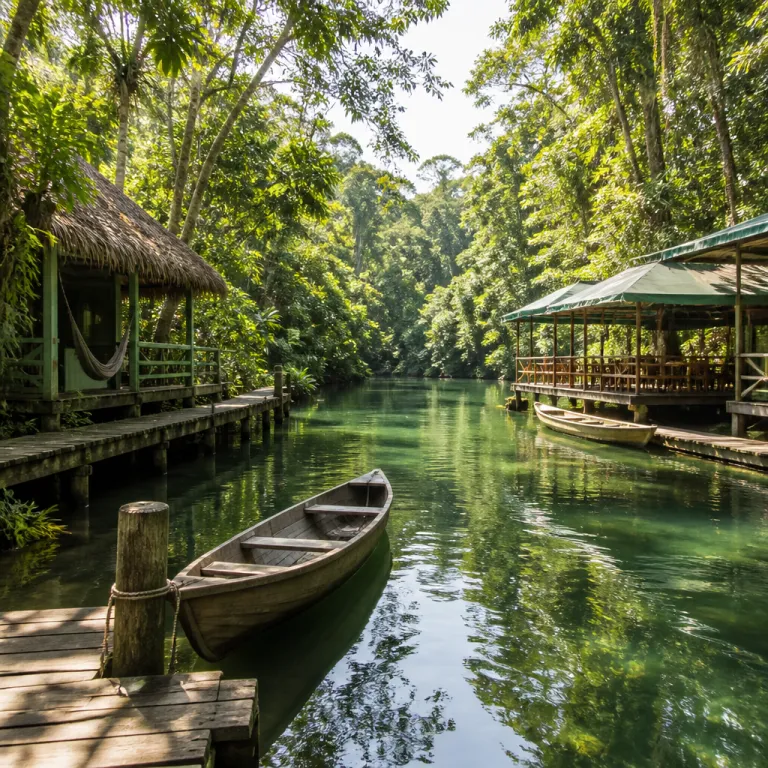
Sani Lodge and Sacha Lodge sit within the Yasuní biosphere reserve in eastern Ecuador, reached via a short domestic flight from Quito to Coca and then several hours by motor canoe along a broad, tea coloured area of the Napo. This is not essential travel in the sense of a quick city break abroad ; it is a deliberate decision to leave the country’s paved comfort, accept humidity and insects, and trade urban crime headlines for the controlled risks of a wild ecosystem. For solo travellers who want the best balance between immersion and structure, these two properties offer contrasting but complementary ways to travel Ecuador’s Amazon without feeling like anonymous victims of mass tourism.
Both lodges operate within a national context where the government and local authorities are working to manage criminal groups in certain coastal areas such as Esmeraldas Province, Los Ríos and Santa Elena, and where travellers are advised to monitor local media and official travel advice before entry. The Amazon corridor around Coca is a different area from those coastal zones, yet you should still think carefully about safety security basics, carry robust travel insurance that includes medical evacuation, and register your trip with your embassy consulate if your country offers that service. When you travel Ecuador solo, especially far from public emergency services, you are responsible for understanding entry exit rules, knowing how to contact emergency services and deciding which areas to avoid at night in transit hubs.
Community owned Sani Lodge versus privately run Sacha Lodge
Sani Lodge is community owned by the Sani Isla Kichwa, and that single fact changes almost every aspect of how you travel Ecuador’s Amazon as a solo guest. The lodge’s capacity is around 38 guests, which keeps the area intimate and means that over a few days you will recognise faces at the dock, on the trails and at the long communal tables. When you sit down to dinner, the pattern feels almost like a homestay, with family style dishes, Kichwa hosts circulating between tables and conversations that drift from bird species to how the community negotiates with the government over land rights.
Sacha Lodge, by contrast, is a privately owned property with space for about 80 guests and a more polished, resort like infrastructure that some solo travellers prefer when they travel Ecuador for the first time. Here the architecture is more expansive, the bar feels like a small club and the canopy walkway and observation tower are the headline features that draw serious birders and photographers. The experience is still deeply rooted in the forest, but the atmosphere is closer to a remote lodge in other parts of the country than to a village adjacent project, and that difference matters if you want either more anonymity or more community contact.
For a solo explorer, community ownership at Sani Lodge means your trip budget flows directly into local services, from guides to boat drivers, and you see how health care campaigns, school projects and even small emergency services initiatives are funded. It also means that when you travel Ecuador through Sani, you are gently folded into Kichwa daily life, from chicha tasting to informal chats about how criminal groups and armed robberies in distant areas affect perceptions of the entire country. If you are curious about how high end hospitality can coexist with local governance, Sani offers a living case study, while Sacha offers a more conventional but very well executed model of privately managed eco luxury.
In Quito, before flying to Coca, many solo travellers now pair their Amazon stay with a serious culinary stop, using our Quito gastronomic reset guide to frame how food, territory and community intersect across Ecuador. That same lens helps you read the menus at both Sani and Sacha, where ingredients from the wider area arrive by river rather than by public transportation. The result is a more coherent travel Ecuador narrative, where your plate, your bed and your canoe all sit within one continuous story of land and people.
Morning canoe rituals, canopy structures and birdlife for the solo guest
The first real test of how you travel Ecuador’s Amazon as a solo guest comes before sunrise, when the knock on your cabin door signals the morning canoe protocol. At Sani Lodge, you walk a short path to the blackwater lagoon, step quietly into a paddle canoe and glide across mirror still water while your Kichwa guide whispers bird names and local stories. The pace is unhurried, the area feels enclosed by forest and the small group size means you can ask obsessive questions about species, behaviour and how the community monitors local wildlife data.
Sacha Lodge handles mornings differently, with a focus on reaching its canopy walkway or observation tower before the heat builds, which changes how you travel Ecuador’s vertical space. After a motorised canoe segment and a short walk, you climb into the treetops, where a 275 metre walkway and a high tower open up a panoramic view of the forest canopy and river areas beyond. For solo travellers who care about bird species counts, this structure is a decisive advantage, because you can scan multiple layers of forest at once and log more sightings in fewer days.
The dataset on both lodges confirms what many guests report anecdotally : “Is Sani Lodge suitable for solo travelers? Yes, it offers intimate experiences ideal for solo travelers. Does Sacha Lodge provide guided tours? Yes, it offers guided tours with naturalist guides. Which lodge is more accessible from Quito? Sacha Lodge is more accessible with a shorter journey. Are there single occupancy rooms available? Both lodges offer single occupancy rooms. What activities are available at Sani Lodge? Activities include canoeing, birdwatching, and jungle hikes.” For a solo guest, that means you can travel Ecuador’s Amazon with the confidence that both properties understand independent travellers’ needs, from room privacy to guided structure. The choice becomes less about basic services and more about whether you want the lagoon intimacy of Sani or the engineered vantage points of Sacha.
Whichever you choose, remember that you are still in a remote area of Ecuador where emergency services and formal health care infrastructure are limited compared with major cities. Carry a small personal medical kit, ensure your travel insurance covers medical evacuation from the Amazon and keep your embassy consulate contact details accessible in case of a serious incident. For a deeper sense of how we evaluate properties in such contexts, our hotel review methodology explains how we read between the marketing lines when we travel Ecuador for work and for pleasure.
Night walks, safety context and why four nights is the real minimum
After dark, the character of each lodge shifts again, and this is where solo travellers really feel the difference in how they travel Ecuador’s rainforest. At Sani Lodge, night walks often begin with a slow paddle across the lagoon, your headlamp off until the guide spots caiman eyes or a fishing bat skimming the surface. Once you step onto the forest floor, the focus is on amphibians, insects and the dense, almost intimate area immediately around the trail, with your Kichwa guide narrating both natural history and community lore.
Sacha Lodge tends to emphasise its swamp circuit and boardwalks for nocturnal outings, which creates a more structured, almost architectural way to travel Ecuador’s darkness. Elevated walkways keep your feet dry while you scan for snakes, owls and night monkeys, and the guides use the lodge’s infrastructure to access a wider range of micro habitats in a single outing. For solo guests who might feel uneasy about walking through deep mud at night, this can be the best compromise between adventure and a sense of safety security, especially on your first trip to the Amazon.
In both cases, four nights is the realistic minimum if you want to travel Ecuador’s Amazon without feeling rushed, because weather, river levels and wildlife all conspire to make some days less productive. A longer stay also gives you time to rest after the journey from Quito via Coca, to repeat favourite activities and to absorb the subtler aspects of lodge life, from how staff coordinate services to how local authorities and community leaders interact with visiting researchers. For solo travellers used to fast city breaks abroad, this slower time frame can feel unfamiliar, but it is precisely what allows the forest to move from backdrop to main character.
From a safety perspective, the Amazon lodges sit within a broader national picture where certain coastal areas such as Esmeraldas Province, Los Ríos and Santa Elena have seen higher levels of crime, including incidents linked to criminal groups and occasional armed robberies. When you travel Ecuador, you should read current travel advice from your government, monitor local media for any changes in the security situation and avoid unnecessary overnight stays in higher risk transit areas if your itinerary allows. Inside the lodges themselves, incidents are rare, but you are still far from rapid emergency services, so basic precautions, clear communication with guides and respect for lodge protocols remain essential.
Wet season packing, Coca logistics and linking the Amazon with the Galápagos
Planning to travel Ecuador’s Amazon between April and June means embracing the wet season, which in practice is less about constant rain and more about unpredictable, heavy bursts that reshape your days. Pack light, quick dry clothing, a reliable rain jacket, closed shoes that can handle mud and a second pair of sandals or trainers that can dry overnight. Add high quality insect repellent, a small personal medical kit and any prescription medication you might need, because medical services in Coca and at the lodges are basic compared with those in major cities.
Airport logistics through Coca catch many first time visitors who travel Ecuador’s Amazon without reading the fine print. Flights from Quito are short, but delays can happen, and you should avoid tight same day connections with international entry or exit flights to or from the country, especially if you are continuing abroad to the Galápagos Islands or another region. Build in buffer time, keep printed copies of your itinerary and lodge confirmations for any government or airline checks, and remember that public transportation options in Coca are limited, so you will usually rely on lodge arranged transfers rather than taxis or buses.
For solo travellers linking the Amazon with the Galápagos Islands, the contrast between ecosystems is part of the appeal of how you travel Ecuador. Many guests now pair a Napo River stay with a few days on San Cristóbal, using our review of waterfront elegance on San Cristóbal Island to choose a hotel that matches the same level of service they enjoyed at Sani or Sacha. This kind of itinerary underlines why robust travel insurance, including coverage for medical evacuation and trip interruption, is non negotiable when you move between remote areas by plane and boat.
Throughout your journey, keep in mind that while most travellers experience no serious crime, you are still responsible for your own safety security decisions when you travel Ecuador. Register your trip with your embassy consulate if your country offers that option, note how to contact emergency services in each area and follow any guidance from local authorities or lodge managers about routes or times to avoid. With that foundation in place, the Napo River, Yasuní’s canopy and the Pacific swell around the Galápagos Islands become less a logistical puzzle and more a coherent, deeply rewarding arc for the independent traveller.
FAQ
Is Sani Lodge suitable for solo travellers who want community contact?
Sani Lodge is well suited to solo travellers because its community owned structure and 38 guest capacity create an intimate atmosphere where you quickly meet guides, staff and fellow guests. Shared canoe outings, family style meals and Kichwa led activities make it easy to engage without feeling pressured. For many independent travellers, this balance between privacy and connection is one of the best reasons to travel Ecuador’s Amazon via Sani.
How does Sacha Lodge compare for solo guests who prioritise comfort?
Sacha Lodge offers a larger, more resort like environment with around 80 guests, extensive infrastructure and standout features such as the canopy walkway and observation tower. Solo travellers who value polished operations, more varied facilities and a slightly shorter journey from Quito often find Sacha a comfortable entry point to travel Ecuador’s rainforest. Guided group activities ensure structure, while single occupancy rooms preserve personal space.
How many nights should I book at Sani or Sacha as a solo traveller?
Most solo guests should plan at least four nights at either Sani Lodge or Sacha Lodge to account for weather, river conditions and the slower pace of Amazon life. This duration allows time for multiple morning canoe outings, night walks and rest periods between excursions. With fewer days, your travel Ecuador experience can feel compressed, especially when factoring in flights and canoe transfers via Coca.
What safety and health considerations apply when travelling to these lodges?
Both lodges operate in remote areas where formal emergency services and advanced health care are limited, so comprehensive travel insurance with medical evacuation coverage is essential. You should check vaccination recommendations before entry to Ecuador, carry necessary medication and follow lodge guidance on wildlife, trails and river conditions. While the Amazon region around Coca is distinct from higher risk coastal areas such as Esmeraldas Province, Los Ríos and Santa Elena, it remains wise to monitor local media and official travel advice before and during your trip.
Can I combine an Amazon lodge stay with a Galápagos Islands itinerary?
Combining Sani Lodge or Sacha Lodge with a Galápagos Islands stay is a popular way to travel Ecuador across multiple ecosystems in a single trip. Many travellers fly from Quito to Coca for the Amazon segment, then return to Quito for onward flights to the islands, using carefully spaced connections to avoid tight entry exit windows. This pairing works particularly well for solo travellers who enjoy contrasting experiences, from canopy birding to waterfront elegance on San Cristóbal.