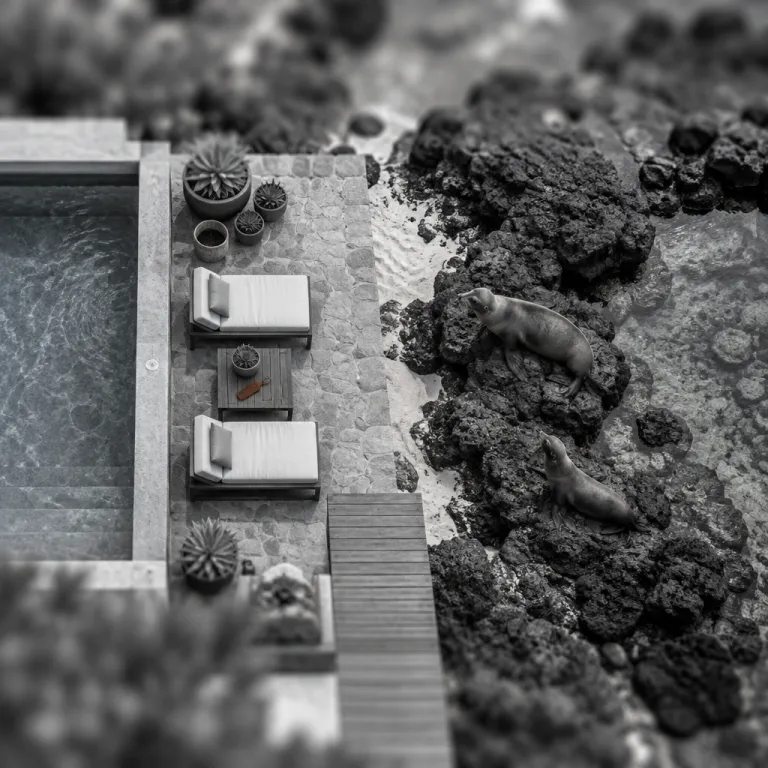
Galapagos sea lions and luxury escapes on remote islands
On the wild shores of the Galapagos Islands, the Galapagos sea lion (Zalophus wollebaeki) shares the sand with guests arriving from elegant yachts and small expedition ships. This playful marine mammal turns every landing on an uninhabited island into a front row seat to raw marine life. For travelers booking premium cabins and suites, the first wet landing in the clear water often means stepping carefully around sea lions resting like sleepy locals.
The Galapagos sea lion is an endemic species, meaning this Zalophus exists nowhere else on Earth and has evolved a unique relationship with humans who visit respectfully. On many islands, males tend to patrol the shallows while females and pups rest higher on the beach, creating a natural amphitheater that luxury travelers can observe from a discreet distance. Guides explain how this lion of the Galapagos sea has adapted its life to the nutrient rich currents that attract sharks, rays, and large predatory fish, occasionally including killer whales.
Unlike true seals, which move awkwardly on land, Galapagos sea lions use strong fore flippers to walk and even climb over rocks with surprising grace. In the water, each sea lion becomes a torpedo, twisting around snorkelers and divers who float quietly above reefs teeming with marine life. Guests in high end cabins often say that swimming beside these lions of the sea feels more intimate than any aquarium, because the animals choose the interaction and will approach only if they feel safe. As one naturalist from the long running vessel Integrity likes to tell guests, “If a sea lion looks you in the eye and stays, you have been invited into its world.”
Understanding Galapagos sea lion behavior from refined eco lodges
From the terraces of refined eco lodges on Santa Cruz or San Cristobal, such as Finch Bay Galapagos Hotel or Golden Bay Galapagos, guests can watch sea lions haul out on nearby rocks while sipping Ecuadorian coffee. The dominant bull of each colony guards his stretch of shoreline fiercely, barking at rival males and herding females and pups into safer shallows when large sharks or even killer whales pass offshore. Naturalist guides explain that these lions will defend their territory for weeks, losing body weight as they focus on mating and protection rather than feeding.
In mixed colonies, males tend to cluster in bachelor colonies once they lose control of a harem, resting together on quieter beaches away from the main breeding area. These bachelor colonies of male sea lions often lie close to upscale landing sites, so guests stepping ashore from luxury catamarans must weave between snoring bodies and scattered fur. Watching a Galapagos sea lion stretch and yawn beside your polished zodiac feels surreal, yet this relaxed attitude toward humans reflects decades of careful conservation management.
High end properties that partner with responsible cruise operators often include evening talks about Zalophus wollebaeki, comparing sea lions and fur seals and explaining why true seals never appear in the Galapagos Islands. Guests learn that fur seals here are another distinct species with thicker fur and a preference for shaded lava crevices, while the more common Galapagos sea lion prefers open sandy beaches. For travelers who appreciate immersive interpretation as much as fine linens, staying at a lodge that connects Andean cloud forest experiences with coastal ecosystems creates a coherent narrative from the Andes to the sea.
Hidden coastal gems where sea lions share the shore
Beyond the famous islands, Ecuador’s mainland coast hides quieter enclaves where marine life still shapes daily rhythms. In small fishing towns and emerging luxury enclaves, travelers can wake to the sound of waves and watch distant dolphins while planning a future voyage to meet the Galapagos sea lion. These coastal retreats offer a softer introduction to the Pacific sea, with warm water, long beaches, and seasonal wildlife such as humpback whales.
One under the radar destination is Puerto López, a gateway to Machalilla National Park where new premium guesthouses and villas overlook a sweeping bay. During whale season, this town becomes a staging point for boat trips that sometimes encounter sea lions and fur seals resting on offshore rocks, even though the main colonies remain far away in the Galapagos Islands. Travelers who choose refined properties here can balance quiet days by the pool with marine excursions, then later connect their coastal memories with a dedicated cruise to meet Zalophus wollebaeki up close.
For those researching options, a detailed look at Puerto López in whale season shows how a once forgotten corner of coastal Ecuador now appeals to discerning guests. While you will not swim with a Galapagos sea lion on these mainland shores, the same Pacific sea supports migrating whales, rays, and sharks, including some powerful predatory shark species that patrol deeper channels. Linking a coastal stay with a later flight to the islands allows travelers to experience both the broader Pacific ecosystem and the intimate beaches where lion pups learn their first lessons in the surf.
San Cristobal and other islands for intimate sea lion encounters
San Cristobal stands out among the Galapagos Islands as a place where sea lions and humans share the waterfront almost casually. On the main town’s seafront, a visitor might find a Galapagos sea lion sleeping on a bench, another pup nursing beside a walkway, and several males patrolling the harbor. Luxury guests staying in premium rooms with ocean views can watch this daily theater from their balconies, then step outside to meet the colony at arm’s length.
On nearby coves, guides lead small groups into calm water where sea lion pups practice their first dives, circling snorkelers with fearless curiosity. These lion pups often mimic each other, darting between legs and blowing bubbles, while females keep a watchful eye from the shallows and a dominant bull patrols the outer edge of the bay. Because males tend to defend specific stretches of coast, each island cove can feel like a separate neighborhood with its own social rules and rhythms of life.
Other islands such as Española and North Seymour host dense colonies where sea lions, fur seals, and seabirds share the same narrow strips of rock. Here, visitors see how Zalophus wollebaeki has adapted to both sandy beaches and rugged lava, hauling out wherever the sea offers safe access and enough space for resting pups. For travelers choosing between itineraries, routes that include San Cristobal and at least one outer island with large colonies provide the richest contrast between urban harbor life and wild, wave battered rookeries.
Designing a luxury itinerary around Galapagos sea lion habitats
Planning a high end journey around Galapagos sea lion habitats starts with choosing the right vessel or island lodge. Smaller expedition yachts and upscale catamarans usually offer more flexible landing schedules, allowing guests to visit sea lion colonies during quieter hours when the sun is softer and the animals are more active. On these trips, guides often time snorkeling sessions to coincide with rising tides, when sea lions will enter the water to feed and play.
Travelers who prefer to sleep on land can base themselves on islands such as Santa Cruz or San Cristobal, then join day yachts that visit nearby rookeries. This model suits guests who value spacious suites, spa facilities, and curated dining, while still granting access to beaches where lions of the Galapagos sea rest in the afternoon shade. Combining several nights on a vessel with several nights in a premium hotel on the mainland or in Quito creates a layered experience that connects marine life with Andean culture.
For urban refinement between flights, consider a stay in the capital that balances heritage architecture with modern comfort, as outlined in guides to elegant ways to experience Quito. From there, a short flight leads to the islands where Galapagos sea lions, fur seals, and other species share the same nutrient rich sea, shaped by currents that also attract large shark species and occasional killer whales. Thoughtful sequencing of destinations ensures that each new island, each new colony of sea lions, and each new cove of clear water feels like a deliberate chapter in a coherent story rather than a rushed checklist.
Responsible encounters with sea lions for discerning travelers
Luxury travelers often set the tone for responsible wildlife encounters, because their choices influence operators and local communities. When visiting a Galapagos sea lion colony, the most refined behavior is also the safest, both for humans and for the animals that share the beach. Guides usually ask guests to keep several meters of distance, avoid blocking paths between the sea and resting areas, and never touch a pup or adult.
Understanding behavior helps guests read each situation calmly, especially when a dominant bull approaches or when males tend to spar near the waterline. A male sea lion that lifts his head, barks repeatedly, or charges a few steps forward is usually signaling that humans have crossed an invisible boundary and will need to step back. Respecting these signals protects the colony’s social structure, allowing females to nurse, pups to rest, and bachelor colonies to remain undisturbed on quieter stretches of island shoreline.
Responsible operators also brief guests on differences between sea lions, fur seals, and true seals, explaining why only the first two groups appear in the Galapagos Islands. They highlight how Zalophus wollebaeki depends on healthy fish stocks and clean water, both of which can be affected by global pressures far beyond any single island. By choosing cruises and hotels that invest in conservation, travelers help ensure that future visitors will still watch Galapagos sea lions across the archipelago, from playful lion pups in shallow bays to older males resting on sun warmed rocks.
Key statistics about Galapagos sea lions and travel
- The estimated population of Galapagos sea lions ranges between 16 000 and 24 000 individuals across the archipelago, according to the Galapagos National Park (GNP, 2021), showing moderate fluctuations linked to El Niño events.[1]
- Adult male Galapagos sea lions can reach lengths of around 2.5 metres and weights of up to 250 kilograms, while adult females usually measure about 1.8 metres and weigh around 100 kilograms, creating a strong visual contrast on mixed colonies (GNP species profile, 2020).[2]
- Studies by the Charles Darwin Foundation indicate that pup mortality can exceed 50 percent during severe El Niño years, when warmer sea water reduces fish availability and weakens nursing females (Charles Darwin Foundation, long term monitoring reports).[3]
- Tourism statistics from the Galapagos National Park show that over 70 percent of visitors participate in at least one guided snorkeling activity, making in water encounters with sea lions one of the most common wildlife experiences in the islands (GNP visitor report, 2019).[4]
- Regulations limit group sizes at most visitor sites to 16 guests per naturalist guide, which helps maintain low disturbance levels for sea lions, fur seals, seabirds, and other coastal species sharing the same beaches (Galapagos National Park regulations).[5]
[1] Galapagos National Park, Galapagos sea lion population update, 2021. [2] Galapagos National Park, species profile: Zalophus wollebaeki, 2020. [3] Charles Darwin Foundation, Galapagos sea lion monitoring program, long term reports. [4] Galapagos National Park, visitor statistics report, 2019. [5] Galapagos National Park, official visitor site regulations.
FAQ about Galapagos sea lions and luxury travel in Ecuador
Where are the best places to see Galapagos sea lions in comfort ?
The most reliable places to see Galapagos sea lions while enjoying premium comfort are San Cristobal, Santa Cruz, and Española, all accessible through licensed cruise itineraries and high end lodges. San Cristobal’s waterfront hosts dense colonies within walking distance of upscale hotels, while yacht based itineraries reach remote rookeries with minimal crowds. Choosing a vessel or lodge that focuses on smaller groups enhances both comfort and wildlife viewing quality.
Can I swim with Galapagos sea lions during a luxury cruise ?
Guided snorkeling with Galapagos sea lions is included on many upscale expedition cruises, always under strict park regulations. Guests enter the water only where conditions are safe and where sea lions show relaxed behavior, usually in sheltered bays with good visibility. The animals initiate most interactions, and guides ensure that swimmers maintain respectful distances, especially from pups and resting females.
Are Galapagos sea lions dangerous for humans ?
Galapagos sea lions are generally tolerant of humans, but they remain wild animals with strong jaws and territorial instincts. Most incidents occur when visitors approach too closely, block paths to the sea, or ignore warnings from a dominant bull. Following guide instructions, keeping several metres of distance, and avoiding sudden movements make encounters both safe and rewarding.
What is the difference between Galapagos sea lions and fur seals ?
Galapagos sea lions and Galapagos fur seals are both eared seals, but they differ in appearance, behavior, and preferred habitat. Sea lions are larger, with smoother fur and a tendency to rest on open beaches, while fur seals are smaller, with thicker fur and a preference for shaded rocky ledges. Travelers on well designed itineraries often see both species, learning to distinguish them by head shape, ear visibility, and resting posture.
How can I choose an eco responsible luxury hotel or cruise in Ecuador ?
To choose an eco responsible luxury option, look for operators certified by the Galapagos National Park, SmartVoyager, or similar sustainability programs. Responsible hotels and vessels limit group sizes, support local conservation projects, and train guides to minimize disturbance to sea lions, fur seals, and other wildlife. Asking specific questions about waste management, fuel efficiency, and community partnerships helps identify providers whose practices match their marketing claims.