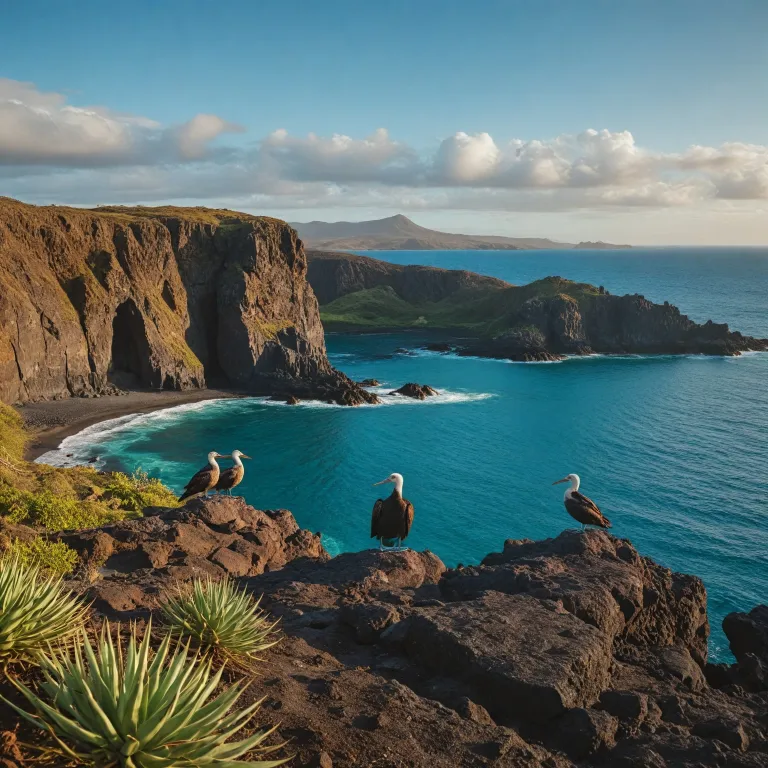
North seymour island Galapagos as a highlight of luxury Ecuador itineraries
North seymour island Galapagos often becomes the quiet star of a refined Ecuador itinerary. For travelers staying in luxury properties on santa cruz or arriving via baltra, this compact island north of santa cruz offers an intense wildlife experience within a single day. Its flat galapagos land, uplifted from the sea, concentrates iconic species in a small area, which makes it ideal for curated, small group excursions arranged by premium hotels.
High end travelers usually combine seymour island with indulgent stays on cruz island, where five star properties provide private docks and concierge managed island tour logistics. From these bases, a tailored day tour to seymour can be timed to avoid the busiest hours, ensuring quieter trails and more intimate encounters with land iguanas and sea lions. This balance between comfort on the main galapagos islands and raw nature on a remote island creates a compelling contrast.
Because north seymour lies close to baltra, transfers from the airport to santa cruz and onward to the island are efficient, which matters for short, high value trips. Many luxury guests appreciate that a single day can include a scenic cruise, guided walk among blue footed boobies, and snorkeling with sea turtles and reef fish. When a hotel’s travel planner understands the rhythm of the tides, winds, and park regulations, the same north seymour island Galapagos landscape feels calmer, safer, and more exclusive.
Wildlife encounters on seymour island for discerning guests
For many visitors, the main reason to include seymour island in a luxury trip is the density of wildlife along its modest 1.9 square kilometres of galapagos land. The island north of baltra is especially renowned for its thriving population of land iguanas, which now exceeds four thousand individuals according to recent monitoring. Walking the marked paths with an expert naturalist, guests can observe each land iguana basking on lava rocks or feeding on prickly pear pads at remarkably close range.
Birdlife is equally compelling, with blue footed boobies nesting along the trail and performing their famous courtship dance. The same paths host colonies of the magnificent frigatebird, whose males inflate vivid red throat pouches during the breeding season, creating a dramatic contrast against the blue sea and pale land. Because the Galápagos National Park Directorate carefully manages visitor numbers, luxury operators can schedule a day tour that coincides with peak wildlife activity yet avoids crowding.
Along the shoreline, sea lions rest on smooth rocks while marine iguanas slip between sea and land, adding to the sense of immersion in the galapagos islands ecosystem. Guests often remark that north seymour feels like an open air wildlife gallery, where each turn reveals new birds, iguanas, or playful pups. For travelers used to urban luxury, the unfiltered proximity to animals on this island galapagos setting becomes the most memorable indulgence of their entire travel experience.
How luxury hotels on santa cruz curate north seymour experiences
On santa cruz, premium hotels play a decisive role in shaping how guests experience north seymour island Galapagos. Many properties maintain close relationships with licensed yacht operators, allowing them to secure high quality vessels and top naturalist guides for each island tour. This coordination ensures that a day tour to seymour island aligns with tides, wildlife cycles, and park regulations, rather than simply filling seats on a standard group departure.
Concierge teams on cruz island typically begin by understanding each guest’s priorities, whether they focus on birds, photography, or a relaxed pace. They then recommend a tour north of santa cruz that pairs seymour with nearby snorkeling sites, balancing time on land with time at sea. For families or multi generational groups, private charters can be arranged so that children can linger longer with sea lions or land iguanas without feeling rushed by a fixed schedule.
Many luxury properties also integrate pre and post excursion touches that elevate the overall trip. Early morning breakfasts, reusable water bottles, and loaned binoculars make the journey to baltra and onward to the island more comfortable and sustainable. Some hotels even offer evening briefings where naturalists explain how North Seymour Island was formed by uplift and why conservation programs, including rat eradication using drones, have been vital for protecting land iguanas and birds.
Conservation, access rules, and what luxury travelers should expect
Understanding conservation on north seymour island Galapagos is essential for travelers who value responsible luxury. The Galápagos National Park Directorate oversees strict rules on seymour island to protect land iguanas, sea lions, and nesting birds, including blue footed boobies and the magnificent frigatebird. Visitors must stay on marked trails, keep distance from every land iguana and sea lion, and follow guide instructions at all times.
Recent conservation milestones include the successful translocation of land iguanas from baltra and the innovative use of drones to eradicate invasive rats. These efforts have allowed land iguanas and other species on the island north of baltra to rebound, turning the area into a showcase of ecological restoration within the wider galapagos islands. Luxury travelers, who often have higher expectations for meaningful experiences, can appreciate that their park fees and carefully managed day tour choices directly support this work.
Guides frequently share context about Lord Hugh Seymour, the English nobleman for whom the island is named, and about the broader management of galapagos island habitats. They may also reference the role of partners such as Island Conservation in supporting projects that benefit land iguanas and birds across multiple islands, including santa cruz and san cristobal. By choosing operators that respect carrying capacities and timing, guests help ensure that north seymour remains a thriving wildlife sanctuary rather than an overvisited stop.
Designing a refined multi island itinerary around north seymour
For travelers booking luxury stays through a premium Ecuador platform, north seymour island Galapagos works best as part of a multi island strategy. A common pattern is to base on santa cruz, add a curated day tour to seymour island, and then extend the trip to san cristobal or another galapagos island for contrast. This approach allows guests to experience both the intense wildlife of an island north of baltra and the more developed comforts of island santa hubs.
Thoughtful planners often schedule north seymour early in the trip, when energy levels are high and guests are eager for close encounters with land iguanas and sea lions. Later days can focus on slower paced experiences, such as highland visits on cruz island or culinary focused evenings at upscale hotels that emphasize Ecuadorian ingredients. For inspiration on how gastronomy and lodging intersect, travelers can consult a detailed guide to elevating culinary journeys in luxury and premium hotel booking experiences in Ecuador at this in depth culinary travel article.
Because distances between key islands are relatively short, it is feasible to combine north seymour, santa cruz, and san cristobal within a single itinerary without feeling rushed. The key is to allow enough time on each island galapagos stop to appreciate both land and sea environments. A well designed plan will alternate active days, such as a tour north to seymour, with quieter ones, ensuring that the overall travel experience feels balanced and restorative.
Practical tips for premium guests visiting north seymour island Galapagos
Even on a luxury focused trip, practical preparation enhances comfort and safety on north seymour island Galapagos. The terrain on seymour island is rocky and uneven, so sturdy closed shoes are preferable to sandals for walking between sea and land. Lightweight clothing, a wide brimmed hat, and reef safe sunscreen are essential, as shade is limited on this exposed island north of baltra.
High end operators usually provide quality snorkeling gear, but guests who are particular about fit may prefer to bring their own masks. Binoculars are invaluable for observing blue footed boobies, footed boobies in general, and the magnificent frigatebird without disturbing nesting birds along the trail. Many hotels on santa cruz and cruz island lend binoculars and dry bags, which simplifies packing for a day tour that includes both hiking and time at sea.
Because access to the galapagos islands is tightly regulated, it is wise to confirm that your chosen travel provider works with licensed guides and complies with park rules. Asking how they support conservation of land iguanas, sea lions, and other species on each galapagos island can also reveal their commitment to responsible tourism. “North Seymour Island is significant for its diverse wildlife, including large colonies of blue-footed boobies and frigatebirds, and as a successful site for land iguana conservation efforts.”
Key statistics for north seymour island Galapagos
- Approximate area of north seymour island : 1.9 square kilometres of uplifted galapagos land.
- Maximum elevation on the island north of baltra : about 28 metres above sea level.
- Estimated land iguana population on seymour island : around 4,571 individuals based on recent monitoring.
Essential questions about north seymour island Galapagos
What is the significance of North Seymour Island in the Galápagos?
North Seymour Island is significant for its diverse wildlife, including large colonies of blue-footed boobies and frigatebirds, and as a successful site for land iguana conservation efforts.
How was North Seymour Island formed?
North Seymour Island was formed by the uplift of a submarine lava formation, resulting in its flat, rocky terrain.
What conservation efforts have been implemented on North Seymour Island?
Conservation efforts include the translocation and monitoring of land iguanas, eradication of invasive species like rats using innovative methods such as drones, and ongoing wildlife monitoring programs.