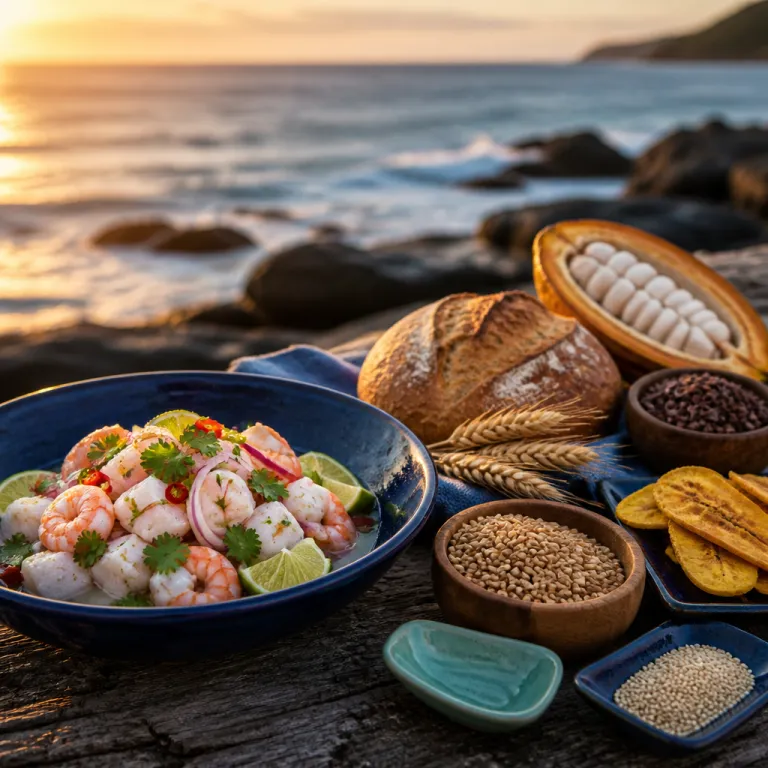
Travel Ecuador through a three-climate tasting menu
To truly travel Ecuador as a couple, start at the table. A serious tasting menu in Quito or Guayaquil can move you across coast, Andes and Amazon in a single evening, turning a romantic trip into a quiet masterclass in geography and ethics. When you plan your stay, think of each dinner as a curated journey through one area of the country rather than just another hotel restaurant booking.
The most refined properties now build their gastronomy around this three climate sourcing model, where coastal seafood, Andean grains and Amazonian fruits share the same plate. This approach to travel in Ecuador raises questions about traceability, safety security in remote provinces and how far chefs should go when importing ingredients from fragile ecosystems abroad. Couples who care about provenance should ask hotels which local farmers, fishers and foragers they work with, and how they monitor local supply chains for both quality and social impact.
In Quito, the best tasting menus feel like a controlled expedition across South America, without leaving your linen covered table. Chefs reference the Galápagos, Los Ríos and Esmeraldas Province in a single sequence, yet the experience remains intimate enough for an anniversary or honeymoon. When you book, request a window table in a high floor city dining room, where the lights of the capital spread beneath you and the government buildings glow softly in the historic centre.
Coastal ceviche and the Guayaquil to Galápagos corridor
Any serious plan to travel Ecuador for gastronomy should reserve at least one night in Guayaquil. The city is the country’s coastal engine, the place where shrimp, fish and cacao converge before flying to the Galápagos Islands or abroad, and it deserves more than a rushed airport transfer on your trip. For couples heading to the Galápagos, a Guayaquil dinner stop transforms a logistical pause into a sensual prelude to the islands.
Chef Isabella Chiriboga has become the ceviche reference voice in Quito, yet Guayaquil still sets the national rhythm for this dish. One verified explanation from local experts is clear and simple : “What is Ecuadorian ceviche? A seafood dish marinated in citrus juices, often served with corn and plantains.” When you compare tasting menus, look for coastal courses that respect this structure while playing with textures, rather than drowning the seafood in aggressive acidity or unnecessary sweetness.
Ventanal’s ceviche is often cited by well travelled guests as juicier than Peruvian versions, with a brine that tastes of the Pacific rather than the mixing bowl. Couples can schedule lunch here before an afternoon stroll along the riverfront, then continue their travel in Ecuador the next day with an early flight to the Galápagos. For honeymooners, pairing this coastal lunch with an Andean focused dinner later in the week, perhaps planned through a tailored itinerary such as a dedicated honeymoon across Ecuador’s three worlds in eleven nights, creates a satisfying narrative arc for the entire stay.
Andean wheat, altitude and the Quito tasting room
Quito sits high enough that altitude sickness can quietly shape your first 24 hours in the city. Sensible couples who travel Ecuador for food arrive, rest, hydrate and keep their first Andean wheat course light, letting the body adjust before tackling a full tasting menu. This is where thoughtful hotel concierges earn their reputation, steering guests toward early seatings and gentle pairings rather than heavy late night feasts.
Nuema has become the emblem of three climate sourcing in Quito, and its tableside soup is the canonical example of coast, Andes and Amazon sharing one bowl. The restaurant’s team pulls grains from the highland province around the capital, herbs from nearby areas and fruits from warmer valleys, then layers them with coastal notes in a way that feels both technical and deeply comforting. A detailed feature on Nuema’s tableside soup and the Quito gastronomic reset explains how this choreography works, and why it matters for couples who want their travel in Ecuador to support ethical producers rather than anonymous suppliers.
Other fine dining rooms, such as Zazu, push the coast Andes integration even further, pairing Andean barley or quinoa with shellfish and citrus in long, slow sequences. When hotel restaurants attempt similar plates without the same discipline, the strain shows in muddled flavours and vague sourcing stories that avoid naming specific provinces or partners. Ask directly which area each grain or vegetable comes from, and how the kitchen works with local authorities, farmers and transport services to keep both quality and safety security standards high.
Amazonian notes, provenance and hotel dining ethics
Once chefs bring Amazonian ingredients into a Quito or Guayaquil dining room, the tension between provenance and creativity becomes sharper. Guests who travel Ecuador for luxury often want to taste wild cacao, river fish or jungle fruits, yet they also care about the impact on indigenous communities and fragile ecosystems. The best hotel restaurants address this openly, explaining which province each ingredient comes from and how they collaborate with local groups rather than treating the Amazon as a decorative pantry.
Some tasting menus now frame Amazonian courses as essential travel through flavour, not as trophies from remote areas. Clay pots, wood fired grills and traditional techniques appear alongside modern plating, echoing the methods used in serious culinary events that showcase coastal ceviche, Andean wheat and Amazonian specialties in a single evening. When you read a menu, look for specific references to partners in Los Ríos or Santa Elena, and ask how the kitchen monitors local supply chains to reduce risk from criminal groups that sometimes operate along transport routes in South America.
Responsible properties also brief guests on practical travel advice that intersects with gastronomy, from safe public transportation options to the availability of emergency services near rural dining experiences. They encourage visitors to carry comprehensive travel insurance that includes medical evacuation, especially if a trip involves remote Amazon lodges or high altitude trekking before dinner. This is not alarmist talk about crime or violent incidents, but a realistic framework that allows couples to enjoy ambitious tasting menus while respecting the complex logistics behind every plate.
Cocktail corridors, safety and the hidden gems between courses
A well planned gastronomic trip through Ecuador is not only about plates, but also about the cocktail programmes that stitch evenings together. In Quito, Bandido and Vista Hermosa both justify a detour, especially for couples who like to start with a coastal inspired drink before moving to Andean spirits at dinner. A typical sequence might be a light ceviche lunch, a sunset cocktail with city views, then a grain focused tasting menu that anchors the night.
Bandido leans into darker, moodier interiors where bartenders work with local fruits, cacao and Andean herbs, creating drinks that echo the three climate sourcing model in liquid form. Vista Hermosa, perched above the historic centre, offers a brighter terrace where you can watch the city lights flicker on around government buildings and church towers. For travellers who want more detail on elegant stays and curated luxury hotels in Quito, a dedicated guide to refined city properties helps match these cocktail stops with the right room keys.
Across the country, from Esmeraldas Province to Santa Elena and inland towards Los Ríos, couples should balance culinary curiosity with clear headed safety security habits. Monitor local media and official travel advice for any changes in risk levels, especially regarding armed robberies or other criminal activity in specific areas. Sensible precautions such as using hotel arranged services for late night transfers, understanding entry exit requirements, knowing how to contact emergency services and local authorities, and checking the quality of nearby health care facilities turn a good trip into a confident one, even when travelling abroad in regions where crime statistics fluctuate.
FAQ
What makes Ecuadorian ceviche different from other South American versions ?
Ecuadorian ceviche is generally juicier, with more liquid in the bowl and a strong presence of citrus and tomato. The classic pairing with corn and plantain reflects coastal agricultural traditions as much as fishing culture. Compared with some neighbouring countries in South America, the seasoning is often milder, allowing the seafood to remain the focus.
How should couples sequence meals when staying in Quito ?
On arrival, keep the first meal light to reduce the impact of altitude sickness, then plan a coastal leaning lunch followed by an Andean grain focused dinner the next day. Many couples enjoy a ceviche lunch, a late afternoon cocktail at a rooftop bar, then a three climate tasting menu that integrates coast, Andes and Amazon. This rhythm lets you travel Ecuador through flavour without overwhelming your senses or your schedule.
Is Ecuadorian cuisine generally spicy ?
Ecuadorian food is usually mild, with heat added at the table through local hot sauces made from ají peppers. This suits couples who prefer to control the level of spice during a long tasting menu. If you enjoy stronger heat, tell the staff early so they can suggest condiments or pairings that match your preferences.
Which native grains should I look for on Andean tasting menus ?
Quinoa, amaranth and barley are the key traditional grains from the highlands, often appearing in soups, risottos or breads. When chefs pair these with coastal seafood or Amazonian fruits, they create the backbone of the three climate sourcing model. Asking about the specific province and area each grain comes from is a simple way to gauge how seriously a restaurant treats provenance.
Do I need special travel insurance for gastronomic trips in Ecuador ?
Comprehensive travel insurance that includes medical evacuation is strongly recommended, especially if your itinerary combines city dining with remote Amazon or high altitude experiences. This coverage complements the country’s health care and emergency services, which can vary between provinces and rural areas. With the right policy in place, couples can focus on tasting menus, cocktails and hotel comforts, knowing that practical contingencies are covered.