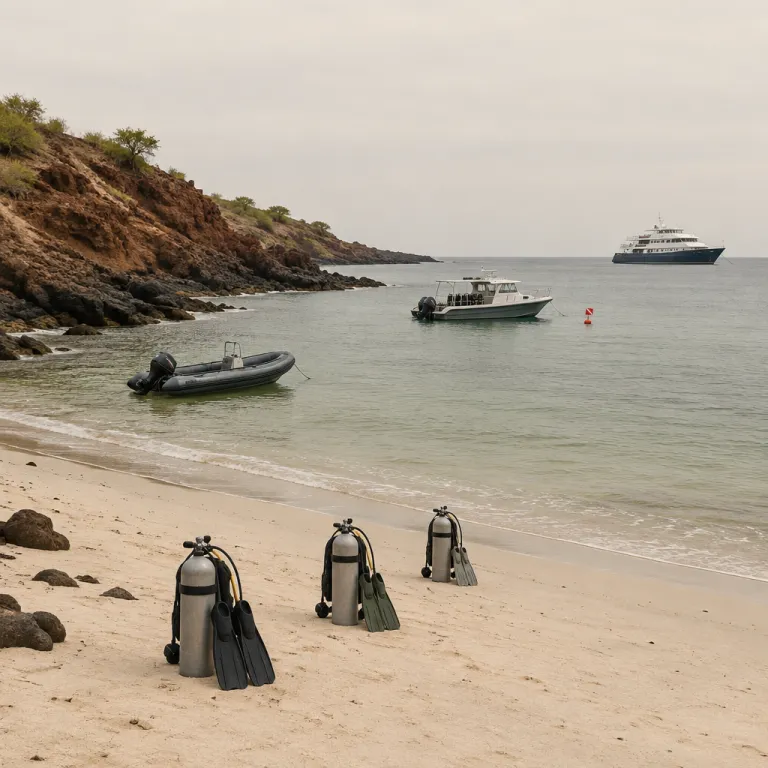
Resort Ecuador choices for divers: where to base yourself
Planning a resort Ecuador trip as a diver starts with choosing the right island base. Most luxury hotels in Ecuador that cater to diving sit on Santa Cruz or San Cristóbal, close to the main ports and day trip departures. From these locations you can balance serious underwater activities with time in a refined hotel, a good dining room and easy access to the islands’ other highlights.
On Santa Cruz, many travelers pair day dives with stays that feel like a relaxed eco lodge rather than a city hotel, while still enjoying polished service and thoughtful food. You wake at near sea level in Puerto Ayora, check your gear with the dive center, then walk back through town to a resort Ecuador style property that understands wet gear, early breakfasts and late returns. This rhythm suits solo travelers who want flexibility, because you can book dives one day and land activities the next without committing to a cruise.
San Cristóbal offers a quieter resort Ecuador atmosphere, with hotels clustered around the malecón and the harbor where sea lions nap on benches. Here, the location is ideal for Kicker Rock day trips, and several hotels Ecuador wide now coordinate directly with reputable dive shops so you can arrange activities at check in. For non diving days, you can explore highland forest trails, watch the cloud layers roll over the hills and still be back in time for sunset drinks with breathtaking views of the bay.
Open Water certification: what you can actually dive
If you hold an Open Water certification, the Galápagos still delivers serious thrills. The classic resort Ecuador base for this level is Santa Cruz, where you can join day boats to Academy Bay, Floreana and easy sites off North Seymour that stay within recreational depth limits. These dives keep you mostly above 18 to 20 metres, with gentle lodge rain style surface chop rather than the ripping currents of the far north.
From a comfortable hotel in Puerto Ayora, you can check in with a dive shop the evening before, review details of the next day’s activities and let the staff handle tanks and weights. Most operators provide top tier rental gear, but I still recommend bringing your own computer and a well fitting wetsuit because water temperatures and thermoclines can change quickly. You return to your hotel in the afternoon, rinse off the salt and walk to a dining room that understands hungry divers, with hearty food and flexible hours.
Open Water divers based on San Cristóbal can access Kicker Rock, a dramatic wall dive where Galápagos sharks, rays and sea lions patrol the cloud blue water. The currents are manageable for those with some experience, and the view of the rock rising from the sea level horizon is worth the early start. Between dives, you eat a simple lunch on deck, chat with naturalist guides about the island Galápagos ecosystems and then head back to a resort Ecuador stay that feels both relaxed and efficient.
Advanced Open Water: the Galápagos sweet spot
Advanced Open Water is the certification that unlocks the most balanced Galápagos experience for independent travelers. With this level, you can safely join trips to Gordon Rocks from Santa Cruz, a site often described as a mini Darwin for its hammerhead schools and strong currents. The dives here demand confident buoyancy, quick response to changing conditions and comfort with negative entries, but they reward you with unforgettable encounters.
Many divers choose a resort Ecuador base that combines serious diving logistics with a calm retreat feel, then structure their week around two or three Gordon Rocks days plus easier sites. On non diving days, you might head inland on the mainland to a cloud forest lodge such as Mashpi Lodge, where floor ceiling glass and ceiling windows frame the canopy and naturalist guides lead walks through lodge rain drenched trails. This kind of itinerary shows how Ecuador can move from island Galápagos currents to Amazon rainforest style biodiversity within a short flight.
Advanced divers who crave altitude contrasts often add a night or two in Quito before or after the islands, staying at a historic property like Casa Gangotena on Plaza San Francisco. Our detailed review of inside Casa Gangotena explains why its location and service work so well as a pre or post dive base. From there, some travelers extend their trip towards Cotopaxi for highland hikes, using resources such as this guide to reading the volcano before you attempt the summit to plan acclimatization days between dives and altitude.
Beyond the card: Darwin, Wolf and real experience
Darwin and Wolf sit far north of the main Galápagos islands, reachable only by liveaboard and reserved for divers with solid experience beyond a plastic certification card. The resort Ecuador conversation often glosses over this, but these sites combine strong currents, downwellings and cold thermoclines that can surprise even Advanced Open Water divers. Operators typically require a minimum number of logged dives, recent cold water experience and comfort with blue water safety stops.
On these itineraries, your hotel becomes the liveaboard itself, with cabins replacing standard lodge rooms and a compact dining room serving all meals between dives. You wake at or near sea level, gear up on a rocking deck and drop into water where whale sharks, schooling hammerheads and Galápagos sharks share the same cloud filtered light. Naturalist guides and dive masters here are not just hosts ; they are safety anchors who read currents, manage groups and decide when a site is beyond the day’s conditions.
For many travelers, the price gap between a week long liveaboard and a resort Ecuador stay with day dives is significant, but so is the shift in intensity. Liveaboards focus almost entirely on underwater activities, with little time for land based exploration or relaxed hotel comforts. If you value a mix of diving, forest hikes, city stays in Quito and perhaps a cacao themed detour on the mainland, a land based itinerary supported by high quality hotels Ecuador wide may suit you better than chasing Darwin and Wolf on your first visit.
Gear, logistics and solo diver strategies
Quality of rental equipment in the Galápagos is generally reliable, especially on Santa Cruz and San Cristóbal, but you should still bring key personal items. I always travel with my own computer, mask and wetsuit, then rent tanks, weights and often regulators from top tier operators who maintain their gear carefully. This approach keeps luggage manageable while ensuring that the most critical fit dependent pieces are familiar.
Solo travelers planning a resort Ecuador stay will find that many dive shops welcome walk ins, especially outside peak holiday periods. On Santa Cruz, you can check availability a day or two ahead, review details of planned sites and join a mixed group of divers with similar certification levels. San Cristóbal works similarly, though Kicker Rock departures can fill quickly, so booking at least one key day in advance is wise.
Between dive days, some travelers fly back to mainland Ecuador to explore hidden gems that pair well with a marine focused trip. A stay in Quito at Casa Gangotena or another central hotel lets you enjoy colonial architecture, refined food and easy access to nearby cloud forest retreats. For a different angle, follow the cacao trail from Guayaquil inland using this deep dive into cacao country and fine flavour beans as a planning reference, then return to your resort Ecuador base in the islands with a richer sense of the country behind the archipelago.
From cloud forest to coast: extending your dive trip
One of the quiet luxuries of planning a resort Ecuador itinerary is how easily you can layer ecosystems around a Galápagos core. Many divers fly into Quito, spend a night at a central hotel such as Casa Gangotena, then head west into the cloud forest for two or three nights before continuing to the islands. This sequence lets your body adjust to altitude, your mind slow down and your trip gain narrative depth.
In the Andean cloud forest, properties like Mashpi Lodge and other luxury eco retreats sit at the edge of the forest canopy, with floor ceiling glass and ceiling windows framing breathtaking views of ridges and lodge rain washed valleys. Naturalist guides lead dawn walks where the cloud lifts slowly from the trees, and you can experience Mashpi style interpretation of biodiversity that rivals the islands in intensity. Back at the lodge, a calm dining room serves thoughtful food that highlights Ecuador’s produce, while staff help you check flight times and details for your onward Galápagos leg.
Some travelers then continue east after the islands, trading sea level for the Amazon rainforest and staying at an eco lodge where activities focus on river excursions, canopy towers and night walks. This triangle of Galápagos islands, cloud forest and Amazon lodge mashpi style stays turns a single dive trip into a country wide immersion. Throughout, choosing hotels Ecuador wide that understand divers’ needs — early breakfasts, gear drying space, flexible check out — keeps the whole resort Ecuador journey smooth and quietly luxurious.
Key figures for Galápagos diving and Ecuador stays
- Most Galápagos day dive sites for Open Water divers, such as Academy Bay and Floreana, keep depths within roughly 18 to 20 metres, which aligns with standard entry level training limits published by major dive agencies.
- Advanced Open Water divers can access Gordon Rocks, where currents and depths often reach beyond 25 metres, and operators typically require recent logged dives in similar conditions according to their safety policies.
- Liveaboard itineraries that include Darwin and Wolf usually run for 7 nights, with 3 to 4 days spent in the far north and the remainder around central islands, as outlined by leading Galápagos liveaboard fleets.
- Water temperatures in the Galápagos generally range from about 18 °C to 24 °C depending on season and site, which is why most operators recommend a 5 mm to 7 mm wetsuit for comfort during multiple dives per day.
- Flight times between Quito and Baltra or San Cristóbal are usually around 2 hours, making it feasible to combine Galápagos diving with cloud forest or Amazon rainforest stays in a single Ecuador itinerary.
FAQ: Diving in the Galápagos and planning your stay
Can Open Water divers see sharks in the Galápagos ?
Yes, Open Water divers can see Galápagos sharks, reef sharks and rays at sites like Kicker Rock, Academy Bay and Floreana, where depths and currents remain within typical entry level limits. Operators group divers by experience, so you will be placed on sites that match your comfort and skills. You do not need Advanced certification to enjoy memorable shark encounters, but recent dive experience is strongly recommended.
Is a liveaboard necessary to enjoy Galápagos diving ?
A liveaboard is only necessary if you specifically want to dive Darwin and Wolf, which are too far for day boats. For most travelers, land based resort Ecuador stays on Santa Cruz or San Cristóbal with day trips provide excellent diving and more flexibility. This approach also makes it easier to combine diving with time in Quito, the cloud forest or the Amazon rainforest.
What gear should I bring versus rent in the Galápagos ?
Most divers bring their own mask, computer and wetsuit, then rent tanks, weights and often regulators from reputable operators on Santa Cruz and San Cristóbal. Rental gear quality is generally good, but personal fit is crucial for comfort and safety. If you are sensitive to cold, consider bringing a thicker wetsuit or an extra layer, as thermoclines can be sharp.
How far in advance should I book Galápagos dives as a solo traveler ?
Solo travelers can often secure day dives a few days in advance outside peak holiday periods, especially on Santa Cruz. For key sites like Gordon Rocks or Kicker Rock, booking at least a week ahead is wise, particularly in busier months. Liveaboards that visit Darwin and Wolf often sell out months in advance, so plan those well ahead.
Can I combine Galápagos diving with cloud forest or Amazon stays ?
Yes, many travelers design itineraries that link Galápagos islands with cloud forest lodges near Quito and eco lodges in the Amazon rainforest. Short domestic flights and good hotel infrastructure in Ecuador make these combinations straightforward. This multi ecosystem approach turns a dive focused trip into a broader exploration of the country’s biodiversity and hospitality.