Luxury hotels in Ecuador where haciendas still cook from the land
High in the Andes, luxury hotels in Ecuador turn altitude into an ingredient. At around 3,000 metres, where water boils near 90 °C and the air is thin, a hacienda kitchen must rethink every grain, every stock, every slow cooked stew to create a true ecuador luxury dining experience for couples. For travellers choosing between different hotels in Ecuador, the question is not only which hotel has the most romantic rooms, but which hacienda can prove that its farm to table promise is more than a line on a website.
Across ecuador, historic haciendas sit between cloud forest ridges, páramo grasslands and patchwork fields, and many now position themselves among the most atmospheric luxury hotels. Some of these hotels are located near quito ecuador, others closer to the amazon rainforest or the routes that lead towards the galapagos islands, yet they all use the same language of local sourcing and nature driven cuisine. The reality on the plate varies sharply, and couples who care about provenance should look closely at how each hotel, lodge or eco lodge defines its relationship with the land.
Hacienda stays occupy a particular niche within the wider landscape of luxury hotels ecuador, distinct from a coastal resort, an amazon lodge or a galapagos eco lodge. A hacienda hotel usually combines a working farm with a small number of intimate rooms, a single restaurant and a slower rhythm that invites guests to linger over long dinners. When you compare these properties with a city address such as casa gangotena or a waterfront retreat like finch bay in galapagos ecuador, the hacienda promise is less about a dramatic ocean view and more about the quiet satisfaction of tasting milk, cheese, grains and vegetables that have travelled only a few hundred metres.
Hacienda Zuleta and the altitude test of real farm to table
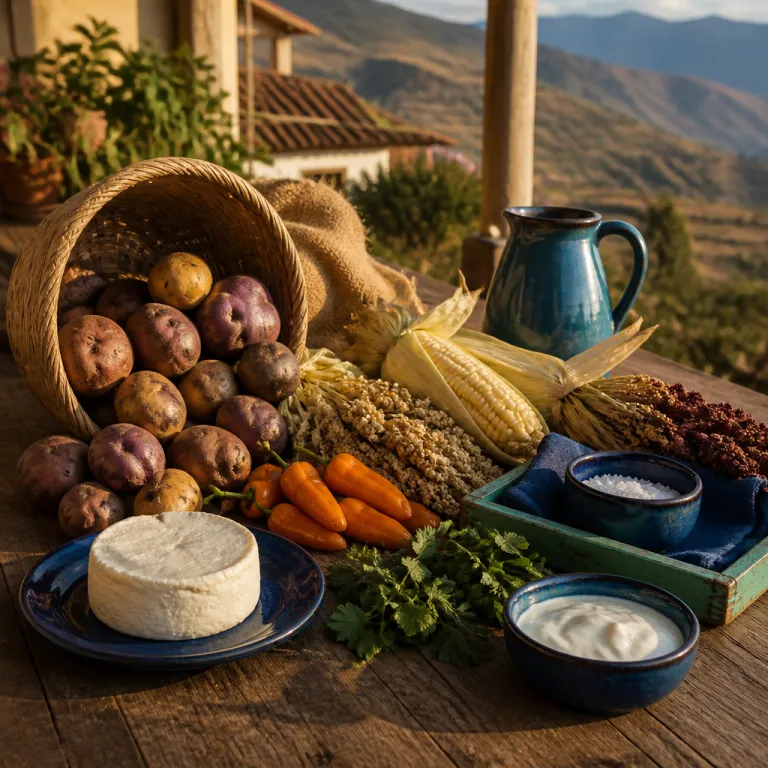
Hacienda Zuleta, in northern ecuador, is the benchmark for couples who want to see farm to table in action rather than on a menu. The hacienda is located in a fertile valley at roughly 2,900 to 3,000 metres, and a morning walk with the farm manager takes guests past dairy barns, cheese ageing rooms and trout ponds that directly supply the hotel restaurant. You can literally fill your morning with visits to the stables and fields, then sit down in the evening to a trout fillet and fresh cheese that have not left the estate.
Altitude shapes every step of the cooking process at Hacienda Zuleta, and this is where luxury hotels ecuador must adapt technique rather than rely on imported recipes. Because water boils at a lower temperature, grains such as quinoa and barley require longer cooking to reach the right texture, and stocks need more time to develop depth without over reducing. Bread fermentation behaves differently in the cool Andean air, so the kitchen adjusts proofing times to achieve a balanced crumb, while coffee extraction demands careful control of grind and water temperature to avoid flat flavours that can disappoint guests used to lower altitude brewing.
For couples, the romance of Zuleta lies in how the hotel integrates this technical precision into a warm, almost domestic atmosphere. Dinner is usually served in a single seating, with a set menu that reflects what the dairy and gardens have produced that day, and the rooms are arranged so that you step from a wood fired hearth into a dining space scented with fresh herbs. If you are mapping out a wider ecuador luxury itinerary that might also include a heritage stay such as Hotel del Parque in Guayaquil, Zuleta offers a complementary experience where the farm, not the city, dictates the rhythm of each meal.
From garden rows to candlelit tables at Hacienda Cusin
South of Zuleta, Hacienda Cusin near San Pablo del Lago offers a different interpretation of farm to table within the same highland belt of ecuador. Here, the kitchen garden sits only metres from the dining room, and couples can walk between rows of lettuces, herbs and Andean tubers before sitting down to dinner in a candlelit salon. The hotel restaurant focuses less on dairy and trout and more on vegetables, grains and simple meats, creating a contrast with the dairy driven model at Hacienda Zuleta that many guests appreciate over a multi stop journey.
Altitude again plays a quiet but decisive role, especially in how the cooks handle grains and legumes that are staples of highland cuisine in latin america. At over 2,700 metres, beans and corn take longer to soften, and the lower boiling point means that slow simmered dishes must be planned hours in advance to achieve the right texture without breaking apart. Bread doughs rise more quickly in the thinner air, so the kitchen at Cusin often shortens fermentation for lighter loaves, while still allowing enough time to develop flavour that pairs well with local cheeses and preserves sourced from nearby farms and markets down the mountain road.
For couples, the appeal of Cusin lies in the way the hotel balances communal and private dining formats, turning each meal into a flexible date night. Some evenings feature a single seating at long tables where guests share stories of trips to mashpi lodge, casa gangotena or the galapagos islands, while other nights the staff arrange smaller tables in quiet corners for more intimate dinners. If you are tracing a broader culinary route that might also include coastal cacao estates, the narrative of local sourcing continues naturally with a visit to producers featured in guides such as Ecuador’s fine flavour cacao country.
Cooking classes, cuy and the reality of hacienda kitchens
Many luxury hotels in Ecuador now promote cooking classes as part of their hacienda experience, but the level of genuine instruction varies widely. At some properties, a class means little more than standing in a historic kitchen while a chef plates pre prepared dishes, with guests invited to fill empanadas or stir a pot for a photograph. At others, particularly at more serious eco lodge style haciendas, couples are given knives, aprons and a clear role in preparing grains, sauces and even traditional dishes such as locro de papa or quinoa tamales, with altitude specific tips woven into the lesson.
The guinea pig, or cuy, question reveals how haciendas navigate the cultural and ethical expectations of international guests while remaining honest about local traditions in ecuador. In many Andean communities, cuy is a celebratory food, yet some hotel restaurants quietly omit it from menus to avoid uncomfortable reactions, while others present it as an optional tasting portion with careful explanation. A thoughtful property will offer context about animal welfare, preparation methods and the role of cuy in rural economies, allowing couples to decide whether to participate without pressure or judgement.
Hands on classes at altitude also provide a rare chance to feel how cooking changes at 3,000 metres, beyond what you might read in a recipe book. You learn why coffee from regions near the amazon or napo wildlife areas tastes different when brewed in a highland kitchen, and how long it really takes to cook beans compared with sea level hotels in ecuador. For travellers who have already stayed at coastal properties such as hotel del Parque or island retreats like finch bay, these classes add a technical layer to their understanding of ecuador luxury hospitality, showing that the same ingredients behave differently from the amazon rainforest to the high Andes.
Linking haciendas with Mashpi, Casa Gangotena and the wider Ecuador circuit
For many couples, a hacienda stay is only one chapter in a longer journey that might include mashpi lodge in the cloud forest, casa gangotena in quito ecuador and a few days in galapagos ecuador. Each of these properties interprets local sourcing and altitude in its own way, and understanding those differences helps you design a more coherent itinerary. A night at a highland hacienda teaches you how grains and dairy behave at 3,000 metres, while mashpi lodge reveals how a cloud forest pantry of fruits, herbs and edible flowers can shape a tasting menu that feels entirely different yet still rooted in ecuador.
In quito, a stay at casa gangotena or a similar view hotel on a historic plaza shifts the focus from farm fields to urban markets and heritage recipes. The hotel restaurant might source vegetables and meats from surrounding valleys rather than its own land, but the kitchen still contends with altitude when simmering broths or extracting flavour from coffee. For a deeper look at how one city property balances heritage architecture with contemporary service, the detailed review of Casa Gangotena on Plaza San Francisco offers a useful reference point.
Further afield, galapagos islands hotels such as finch bay and remote eco lodge style properties in the amazon region, including those near napo wildlife reserves, extend the conversation about local sourcing into marine and rainforest ecosystems. Here, the emphasis shifts from dairy and grains to line caught fish, shellfish, plantains and rainforest fruits, yet the same questions about transparency and distance between producer and plate remain. When you compare these stays with a night at a gangotena boutique style city property or a traditional hacienda, you begin to see luxury hotels ecuador as a connected network of experiences, each shaped by its altitude, its surrounding nature and the honesty of its kitchen.
FAQ
How does altitude at 3,000 metres change hacienda cooking in Ecuador ?
At around 3,000 metres in ecuador, water boils at roughly 90 °C instead of 100 °C, so grains, beans and stews take longer to cook and can lose moisture more quickly. Bread doughs ferment faster in the thinner air, which means bakers at haciendas and luxury hotels must adjust proofing times to avoid over risen loaves. Coffee extraction also changes, so skilled baristas in hotels ecuador tweak grind size and water temperature to maintain balanced flavour for guests.
What makes Hacienda Zuleta’s farm to table model different from other haciendas ?
Hacienda Zuleta operates as a working dairy farm with on site cheese production and trout ponds, so much of what appears on the restaurant menu comes directly from the estate. Couples can walk from their rooms to the barns and ponds in minutes, seeing the full chain from pasture to plate in a way that many other hotels cannot match. This verifiable sourcing, combined with careful altitude aware cooking, places Zuleta among the most convincing examples of ecuador luxury farm to table hospitality.
Are hacienda cooking classes in Ecuador truly hands on for couples ?
The level of participation varies by hotel and lodge, so couples should ask specific questions before booking. Some haciendas offer immersive classes where guests chop, season and cook under guidance, learning how altitude affects grains, soups and sauces, while others focus more on demonstration with limited guest involvement. Properties that also operate as an eco lodge or serious culinary destination tend to provide more technical instruction and meaningful kitchen time.
How do haciendas handle traditional dishes like cuy for international guests ?
Many haciendas in ecuador recognise that guinea pig, or cuy, is culturally important yet unfamiliar to many visitors, so they present it carefully. Some hotel restaurants keep cuy as an optional tasting dish with clear explanation of its role in Andean celebrations, while others omit it entirely and focus on chicken, trout and vegetarian options. The most thoughtful properties give guests context and choice, respecting both local tradition and personal comfort levels.
How can I combine hacienda stays with Mashpi Lodge, Casa Gangotena and the Galápagos in one trip ?
A common route for couples starts with a few nights in quito ecuador at a central hotel such as casa gangotena, followed by two or three nights at a nearby hacienda like Zuleta or Cusin. From there, travellers often continue to mashpi lodge in the cloud forest or to an amazon rainforest eco lodge near napo wildlife areas, before flying on to galapagos ecuador for a stay at finch bay or another island hotel. This circuit links city, highlands, forest and ocean, showcasing how different luxury hotels ecuador interpret local sourcing and nature focused cuisine.