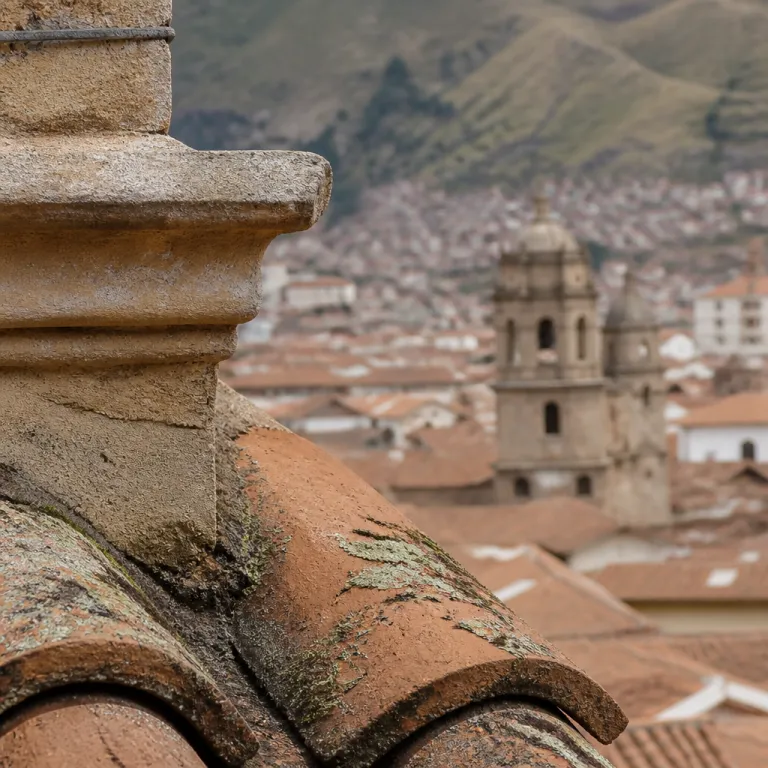
Why Ecuador is your refined gateway to beautiful historic cities in South America
Ecuador offers a rare balance of compact scale and grand history. In this small country, you can experience some of the most beautiful historic cities in South America while staying in luxury and premium hotels that understand sophisticated travellers. From the Andean highlands to the Pacific coast, each city reveals a different layer of Latin America and its complex past.
Quito stands out as a capital city where a remarkably intact historic center meets elevated hospitality standards. The historic centre was among the first urban areas in South America inscribed on the UNESCO World Heritage List in 1978, and its colonial streets are lined with churches, plazas, and mansions that now host refined hotels. For travellers comparing American cities with European destinations, Quito’s blend of baroque façades and Andean culture often feels like a bridge between continents.
When you plan travel through several cities south of the equator, Ecuador’s location near the middle of the continent becomes a strategic advantage. You can fly easily from the Ecuadorian capital city to other beautiful cities such as Lima in Peru, Bogotá and Medellín in Colombia, or onward to Rio de Janeiro and Buenos Aires. Typical non stop flights from Quito to Lima or Bogotá take around two hours, while services to Buenos Aires or Rio de Janeiro usually range between five and seven hours, which makes Ecuador an ideal first stop for a longer journey through the best cities and heritage sites in wider South America.
Quito’s old town: colonial elegance and luxury hotels beside major heritage sites
Quito is often cited as one of the oldest continuously inhabited cities in South America, and its historic center rewards slow, attentive exploration. Cobbled streets lead from one colonial church to another, while restored mansions now host luxury and premium hotels that frame the city’s Andean skyline. For travellers seeking the best balance between heritage site access and refined comfort, staying within the historic centre is a decisive advantage.
The city’s UNESCO heritage status reflects both its Spanish colonial architecture and its deep Indigenous culture. Around Plaza de la Independencia and the surrounding town streets, you will find properties that offer rooftop terraces facing the domes and towers of the historic centre. Well known examples include historic mansion conversions such as Casa Gangotena on Plaza San Francisco, Illa Experience Hotel in San Marcos, and Hotel Plaza Grande on the main square, which illustrate how luxury hotels in Quito’s historic centre integrate directly with emblematic landmarks.
For a detailed look at how luxury and premium hotel booking in Ecuador aligns with historical landmarks, consult this in depth guide to historical landmarks and refined stays for discerning travellers. It explains how to choose between different properties in the historic center, depending on whether you prioritise spa facilities, panoramic views, or proximity to specific heritage sites. One frequent guest described waking up to bells from the Compañía de Jesús church and “stepping from a quiet courtyard straight into the most atmospheric streets I had seen in Latin America,” a comment that captures how short walking distances allow you to move easily between cultural attractions, fine dining, and your hotel suite.
Inside Quito’s grand mansions: how premium hotels interpret Andean culture
Many of Quito’s most atmospheric luxury hotels occupy former colonial mansions around the historic centre. Thick stone walls, inner courtyards, and carved wooden balconies evoke the city’s Spanish past, while contemporary design and service standards respond to modern expectations. This combination allows guests to engage with Andean culture without sacrificing comfort or privacy.
One emblematic example is presented in this detailed feature on a quiet counterpoint to Quito’s old town on Plaza San Francisco. Here, the historic center unfolds just outside the door, yet the interior feels like a calm retreat after a day of travel and exploration. Such properties often curate cultural experiences, from guided walks through the colonial streets to private visits of nearby churches and museums, ensuring that the city’s heritage sites become part of your stay rather than separate excursions.
Compared with larger American cities, Quito’s scale means that you can walk from your suite to major UNESCO heritage monuments in minutes. You might start the day with a visit to the Compañía de Jesús church, continue through the town streets of the historic centre, and return for afternoon tea in a courtyard framed by arcades. This rhythm suits travellers who want to visit South American cities at a measured pace, appreciating both the cultural layers and the refined hospitality that has grown around them.
Connecting Quito with other beautiful historic cities in South America
From Quito, it is straightforward to design an itinerary that links several of the best cities for heritage and culture across the continent. Many travellers pair the Ecuadorian capital city with Cusco in Peru, using Quito as a gentle acclimatisation stop before flying south to explore the Sacred Valley and Machu Picchu. Others continue east toward Colombia, combining the Andean innovation of Medellín with the colonial charm of Cartagena de Indias on the Caribbean coast.
Further south, Buenos Aires in Argentina offers a different expression of Latin America, with grand avenues and European influenced architecture that contrast with Quito’s compact colonial streets. In Brazil, Rio de Janeiro and the historic town of Ouro Preto reveal yet another side of South American history, from coastal landscapes to baroque mining cities. Travellers often comment that these beautiful cities feel more coherent and meaningful when they begin their journey in Ecuador, where the scale of the city and the clarity of the historic centre make the region’s story easier to grasp.
When planning to visit South American destinations in a single trip, consider how flight routes and altitude changes will affect your comfort. Quito’s position near the middle of South America, combined with its modern airport, makes it a practical hub for moving between cities south of the equator. A well designed itinerary might start in the Ecuadorian capital city, continue to Lima and Cusco in Peru, then arc eastward to Rio de Janeiro in Brazil and finally south to Buenos Aires in Argentina, balancing urban culture, national park excursions, and coastal relaxation.
Designing an Andean luxury route: from Quito to high altitude wellness stays
Travellers interested in both cultural immersion and physical wellbeing increasingly look for itineraries that combine historic cities with restorative landscapes. Ecuador excels here, because you can move from Quito’s colonial historic center to Andean valleys and national park environments within a few hours. Luxury and premium hotels along this route often integrate spa rituals, thermal springs, and altitude aware cuisine into their offerings.
A curated example is presented in this three property Andean itinerary focused on altitude and wellness. It shows how you can start in the capital city’s historic centre, continue to a highland hacienda near a national park, and finish in a more secluded valley retreat, all while maintaining a consistent standard of refined service. This style of travel contrasts with the faster pace often associated with larger American cities, inviting you instead to engage deeply with Andean culture and landscapes.
Such itineraries also position Ecuador as a thoughtful prelude to other high altitude heritage sites in South America, including Cusco and Machu Picchu in Peru or La Paz in Bolivia. By spending several nights in Quito and nearby Andean towns, your body adapts gradually, and you gain a richer understanding of how Indigenous and colonial histories intersect across the region. For many guests, this measured approach transforms a simple visit south of the equator into a coherent journey through some of the most beautiful cities and landscapes in Latin America.
How Ecuador compares with other historic cities south of the equator
When travellers evaluate the best cities for heritage focused stays in South America, they often weigh Quito against destinations such as Cusco, Cartagena de Indias, Rio de Janeiro, and Buenos Aires. Each city offers a distinct combination of culture, architecture, and hotel infrastructure, and the right choice depends on your priorities. Quito’s advantage lies in its compact historic centre, its altitude friendly climate, and its growing portfolio of luxury and premium hotels integrated directly into the colonial fabric.
By contrast, Rio de Janeiro in Brazil pairs its famous beaches and dramatic hills with a more dispersed historic center, while the nearby town of Ouro Preto presents one of the continent’s most concentrated baroque ensembles. Buenos Aires in Argentina appeals to travellers who enjoy grand boulevards, theatre, and late night dining, yet its heritage sites are spread across several neighbourhoods. Cusco in Peru remains the primary gateway to Machu Picchu and the Sacred Valley, and its status as one of the best cities for archaeological access is unmatched, though altitude can be challenging for some visitors.
Across these South American and broader American cities, UNESCO heritage designations help travellers identify areas where preservation efforts are strongest. According to UNESCO’s World Heritage Centre, there are currently around 90 recognised World Heritage Sites in South America, a figure that underscores the region’s density of historic and cultural landmarks. As you plan your travel, consider how many of these heritage sites you can reasonably include, and how a stay in Ecuador’s capital city can anchor a wider journey through the most beautiful historic cities in South America.
Key figures on heritage travel and historic cities in South America
- UNESCO lists around 90 World Heritage Sites in South America, highlighting the continent’s exceptional concentration of cultural and natural heritage compared with other regions worldwide (UNESCO World Heritage Centre data).
- Cusco in Peru is described as the most visited historic city in South America, largely because it serves as the main access point for travellers heading to Machu Picchu and the Sacred Valley.
- Quito in Ecuador is recognised as one of the oldest continuously inhabited cities in South America, with early settlements traced to around the first millennium AD, which reinforces its status as a cornerstone of Andean urban history.
- Historic cities such as Quito, Cusco, and Cartagena de Indias have seen sustained tourism growth in recent decades, which has encouraged preservation of colonial architecture and adaptive reuse of mansions as luxury hotels.
- Interest in heritage focused travel across Latin America has increased alongside improved air connectivity between major cities south of the equator, making multi city itineraries more feasible for international visitors.
FAQ about luxury stays and historic cities in South America
Which is considered the oldest city in South America ?
Quito in Ecuador is widely regarded as one of the oldest continuously inhabited cities in South America, with origins traced to early Andean settlements long before the Spanish conquest. Its historic centre preserves layers of pre Hispanic and colonial history within a relatively compact area. This longevity contributes to its recognition as a UNESCO World Heritage Site and a key destination for heritage focused travel.
What is the most visited historic city in South America ?
Cusco in Peru is often cited as the most visited historic city in South America, because it serves as the main gateway to Machu Picchu. Travellers typically spend several nights in the city to acclimatise and explore nearby archaeological sites. The combination of Inca foundations and Spanish colonial architecture makes Cusco central to many South American itineraries.
Are historic cities in South America generally safe for tourists ?
Historic cities such as Quito, Cusco, Cartagena de Indias, and Buenos Aires are generally safe for tourists who follow standard urban precautions. Authorities in these cities focus on security in central heritage areas, where most visitors stay and walk. Travellers should still consult current travel advisories, avoid displaying valuables, and choose reputable hotels that offer reliable local guidance.
How many UNESCO World Heritage Sites are there in South America ?
UNESCO currently recognises roughly 90 World Heritage Sites in South America, spanning both cultural and natural categories. This number reflects the continent’s dense concentration of historic cities, archaeological complexes, and national park landscapes. For travellers, it means that a single multi city itinerary can include several globally significant heritage sites.
When is the best time to visit historic cities in South America ?
The best time to visit historic cities in South America depends on altitude and climate rather than a single season. Andean cities such as Quito and Cusco have relatively stable temperatures year round, but drier months usually offer clearer skies for walking tours. Coastal cities like Rio de Janeiro and Cartagena de Indias can be warm and humid, so many travellers prefer shoulder seasons for more comfortable exploration.
References and further reading
- UNESCO World Heritage Centre – official list and descriptions of World Heritage Sites in South America.
- World Tourism Organization (UN Tourism) – reports on tourism trends and visitor numbers in Latin America.
- National Geographic – features on historic cities, national parks, and cultural routes across South America.