Galapagos birds and luxury travel: why this archipelago defines once in a lifetime
Galapagos birds and luxury travel: why this archipelago defines once in a lifetime
Galapagos birds shape every refined journey through this remote Ecuadorian archipelago. Their presence turns a simple stay on any island into a living masterclass in evolution and comfort, especially when you pair five star service with expert led wildlife excursions. For travelers booking luxury and premium hotels, understanding how bird species, hotel location, and guided access align will elevate both your stay and your memories.
The Galapagos Islands host an extraordinary concentration of birdlife. Galapagos Conservancy notes that roughly 56 native land and seabird species breed in the islands, of which 45 are considered endemic or near endemic, meaning they occur only here or almost nowhere else. This density of unique species means that from your suite terrace you may watch a waved albatross glide past, or see a yellow warbler flit through coastal shrubs only a few metres away. Choosing the right island base, whether San Cristóbal, Santa Cruz, or Española accessed by yacht, determines which iconic birds Galapagos will frame your days.
Luxury properties in the Galapagos Islands now work closely with the Galapagos National Park Directorate and the Charles Darwin Foundation to align comfort with conservation. Their curated excursions are designed in strict order with park regulations, ensuring that every encounter with a booby, finch, or petrel respects wildlife distances and fragile nesting grounds. When you book, ask how the hotel supports habitat preservation, invasive species control, and scientific research, because your stay can directly fund the protection of Galapagos birds.
Choosing the right island base for galapagos birds in high season
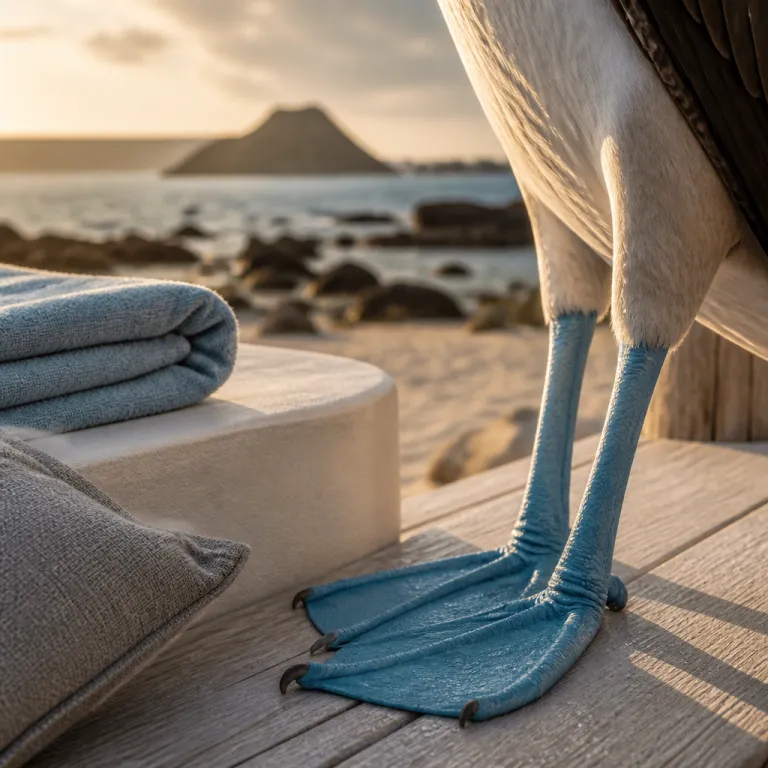
Every island in the archipelago offers a different cast of Galapagos birds, so your hotel choice quietly scripts your wildlife story. San Cristóbal Island, for example, is ideal for guests who want easy access to blue footed boobies and playful Galapagos penguins during relaxed coastal cruises. A premium waterfront suite here lets you watch birds Galapagos style at sunrise, then step directly onto a yacht for guided visits to nearby islands.
High season brings calmer currents and warmer seas, which is ideal for families keen to see a wide range of bird species without challenging conditions. Before confirming your reservation, review a detailed seasonal guide such as this overview of Galapagos in high season when the currents are calmest, then match those conditions with your preferred island. During these months, luxury hotels often expand their naturalist led programs, adding extra departures to key bird sites where blue footed boobies, storm petrels, and Darwin finches are especially active.
Families and couples should look for properties that limit guest numbers on excursions, because smaller groups mean quieter approaches to nesting areas. This matters when you are observing sensitive species such as the storm petrel or the elusive Galapagos petrel, which can be disturbed by noise and crowding. Ask whether your chosen hotel offers private or semi private outings to colonies of Nazca boobies, red footed boobies, and blue footed boobies, since intimate viewing often defines the difference between a good trip and an unforgettable one.
Hidden coastal gems: luxury hotels where galapagos birds are your neighbours
Some of the most rewarding encounters with Galapagos birds happen not on crowded day trip routes, but along quieter coastlines near discreet luxury hotels. On San Cristóbal, a refined waterfront property such as the Golden Bay Hotel places you steps from sea lion rookeries and feeding grounds for blue footed boobies. From a shaded balcony here, you may watch a booby plunge into crystalline water while a yellow warbler sings from a nearby lava rock.
Travelers who prefer a blend of cruising and shore based comfort can pair a high end hotel stay with an expedition vessel that specialises in bird species. A curated option like the Galapagos Legend refined expedition cruising allows you to reach remote islands where endemic species thrive, then return to a plush cabin each evening. This combination is particularly powerful for guests keen to see waved albatross on Española, Galapagos penguins along cooler currents, and multiple finch geospiza forms across different islands.
When evaluating coastal properties, look beyond spa menus and thread counts to the quality of their naturalist team. The best hotels employ guides trained in identifying every local bird species, from the vermilion flycatcher to the mockingbird mimus complex that fascinated Darwin. Ask whether your stay includes dawn walks, pelagic outings for storm petrel sightings, and evening talks on Darwin finches, because these experiences transform a beautiful room into a deeply informed journey.
Española and beyond: tailored excursions from luxury bases for iconic galapagos birds
For many guests, seeing the waved albatross on Española Island is the emotional peak of a Galapagos journey. This remote island hosts the world’s main breeding colony of this majestic bird, and access is tightly controlled to protect nesting sites. Luxury hotels and high end yachts secure limited permits in order to offer small group landings, which means your booking window and travel dates must align carefully.
From a premium hotel on Santa Cruz or San Cristóbal, you can arrange full day yacht excursions that focus specifically on bird species. These tailored outings often combine colonies of Nazca boobies, red footed boobies, and blue footed boobies with time at sea scanning for Galapagos petrels and storm petrels gliding low over the waves. On board, naturalists explain how isolation across the archipelago led to such a rich array of endemic species, including multiple ground finch forms and the famous Darwin finches.
Guests with a strong interest in ornithology should request itineraries that prioritise less visited landing sites. Certain cliffs and headlands host dense gatherings of birds Galapagos wide, where blue footed boobies, nesting pairs, and mixed flocks of terns and shearwaters feed in organised order along current lines. When your hotel or cruise operator understands this focus, they can schedule departures to maximise encounters with finch geospiza variations, mockingbird mimus groups, and the fiery vermilion flycatcher in golden late afternoon light.
Designing a bird focused itinerary: from darwin’s legacy to modern conservation luxury
Every refined itinerary in the Galapagos Islands should weave together Darwin’s legacy, present day conservation, and the comforts of premium hospitality. When Charles Darwin studied finches here, he could not have imagined that future travelers would observe the same finch geospiza lineages while returning each night to suites with panoramic decks and curated wine lists. Yet the essence remains the same, because these bird species still illustrate evolution in action across each island.
Start by listing the Galapagos birds you most want to see, then map them against specific islands and habitats. For example, Galapagos penguins favour cooler western waters, while the waved albatross is tied to Española, and certain ground finch forms cluster on drier islands. Your travel advisor or hotel concierge can then build a route that links these endemic species with appropriate properties, ensuring that every transfer, yacht leg, and guided walk respects both your comfort and the archipelago’s strict conservation order.
Modern conservation focused luxury also means engaging with the science that protects these birds. Many high end hotels host visiting researchers who use field surveys, genetic analysis, and satellite tracking to monitor storm petrel populations, Galapagos petrels, and other sensitive endemic species. During hosted talks, you may hear statements such as “They provide insights into evolution and natural selection.” and then step outside to watch a mockingbird mimus or yellow warbler, fully aware that your stay is helping fund the protection of Galapagos birds.
Hidden highland retreats: where finches, warblers, and flycatchers meet refined comfort
While many travelers focus on coastal colonies of boobies and penguins, the lush highlands of several islands offer a quieter, more intimate world of Galapagos birds. Luxury lodges set in these green zones provide cool evenings, expansive views, and gardens alive with finch geospiza forms, yellow warblers, and the charismatic vermilion flycatcher. From your veranda, you may watch a ground finch hop between lava stones while a distant petrel wheels above the cloud line.
These highland retreats often sit on private reserves that act as important corridors for endemic species. Carefully restored native vegetation attracts a wide range of bird species, including Darwin finches that move in mixed flocks through Scalesia forests and shrublands. Because these properties limit guest numbers and vehicle traffic, the surrounding habitat remains calm, allowing birds Galapagos wide to feed and nest with minimal disturbance.
Guests who value privacy will appreciate how these lodges combine seclusion with expert guiding. Small group walks introduce you to subtle differences between ground finch beaks, the behaviour of mockingbird mimus clans, and the seasonal movements of storm petrels over the archipelago. After a day in the field, you return to refined dining that highlights Ecuadorian ingredients, knowing that a portion of your stay supports habitat preservation and long term monitoring of Galapagos birds.
Practical booking advice: aligning luxury hotels with responsible birdwatching
Securing the right luxury or premium hotel in Ecuador for a bird focused Galapagos journey requires more than comparing room categories. Begin by asking each property how they coordinate with the Galapagos National Park to manage access to sensitive bird species and nesting areas. A serious commitment will include strict group size limits, trained naturalists, and clear guest briefings on respecting wildlife distances and avoiding feeding animals.
Next, evaluate how well the hotel or cruise operator understands the seasonal rhythms of the archipelago. They should be able to explain when blue footed boobies court, when Galapagos penguins are most active, and how ocean conditions influence storm petrel and Galapagos petrel sightings. This knowledge allows them to design daily programs in logical order, ensuring that you encounter a rich variety of bird species, from Nazca boobies and red footed boobies to Darwin finches and ground finch flocks.
Finally, consider how your stay contributes to long term conservation of Galapagos birds. Look for partnerships with the Charles Darwin Foundation or other international conservation organizations, and ask whether a portion of your rate supports research on endemic species. When a property can show transparent data about its impact, you can enjoy every comfort on your chosen island knowing that your presence helps secure the future of birds Galapagos wide, from the smallest finch geospiza to the soaring waved albatross.
Key figures about galapagos birds and conservation
- The Galapagos Islands host around 185 recorded bird species, based on aggregated citizen science records on platforms such as iNaturalist and eBird, which underlines the archipelago’s exceptional diversity for such a compact group of islands.
- Approximately 45 endemic or near endemic bird species live in the Galapagos, according to summaries from Galapagos Conservancy and the Galapagos National Park Directorate, meaning these birds occur almost exclusively here and rely heavily on local conservation efforts.
- Conservation authorities report that tourism is concentrated on a limited number of islands, which helps protect remote colonies of waved albatross, Nazca boobies, and storm petrels by reducing direct human pressure.
- Year round access allows visitors to see Galapagos birds in every season, but strict park regulations limit group sizes and landing sites to balance ecotourism revenue with habitat preservation.
FAQ about galapagos birds and luxury stays
What are some endemic bird species in the Galapagos?
Some of the most emblematic endemic species include Darwin finches, blue footed boobies, Galapagos penguins, and the waved albatross. These birds evolved in isolation on different islands, which is why their forms and behaviours vary so strikingly. Many luxury hotels design excursions specifically to observe these endemic species at close, but respectful, range.
Why are galapagos birds significant to science?
Galapagos birds are central to our understanding of evolution because they show how species adapt to different environments over time. Darwin’s observations of finch geospiza and mockingbird mimus groups helped inspire the theory of natural selection. Modern researchers continue to study these bird species using genetic analysis and satellite tracking to refine that knowledge.
How can visitors help conserve galapagos birds during a luxury stay?
Visitors can support conservation by choosing hotels and cruises that work closely with the Galapagos National Park and the Charles Darwin Foundation. Following guide instructions, respecting wildlife distances, and avoiding feeding animals all reduce stress on endemic species. Guests can also contribute by supporting conservation initiatives financially or by joining educational programs offered by their hotel.
Is it possible to see many bird species from a single island base?
Yes, a well located luxury hotel on an island such as San Cristóbal or Santa Cruz can provide access to a wide range of Galapagos birds. Day trips by yacht allow you to reach nearby islands with colonies of boobies, penguins, and finches. However, certain species like the waved albatross on Española may still require specific itineraries or overnight cruises.
Do luxury hotels in the Galapagos support scientific research on birds?
Many high end properties partner with research organizations to host scientists and fund fieldwork on storm petrels, Galapagos petrels, and other sensitive birds. Guests may attend evening talks where researchers share current findings about endemic species and conservation challenges. By staying at these hotels, travelers directly contribute to the long term protection of Galapagos birds and their habitats.

