Galapagos islands weather and luxury travel planning essentials
Understanding Galapagos islands weather is the first step to planning a refined stay in Ecuador. The islands sit on the equator, yet the Humboldt Current and Panama Current create a surprisingly mild climate with distinct season patterns that shape every luxury experience. For premium travelers, aligning preferred temperatures, wildlife activity, and sea conditions with the right time to visit Galapagos is as important as choosing the right suite or private villa.
The archipelago experiences a warm wet season and a cooler dry season, and each season in Galapagos offers different advantages for high end hotel guests. From December to May, air temp values are higher, water temperature rises, and short showers alternate with clear skies that are ideal for photography and poolside relaxation. From June to November, the dry season brings fresher air temperatures, more nutrient rich Galapagos sea conditions, and intense wildlife activity that pairs beautifully with guided excursions from luxury properties.
Average max min values remain comfortable throughout the year, which means you can plan a premium stay in any month and still enjoy outdoor terraces and ocean view decks. However, the best time for your personal style of travel depends on whether you prioritize calm water for snorkeling, cooler air temp for hiking, or specific wildlife such as blue footed boobies during courtship. Thoughtful planning around Galapagos weather and the broader weather Galapagos patterns allows you to match your preferred activity mix with the right island and the right number of days.
Warm wet season : refined stays from january to may
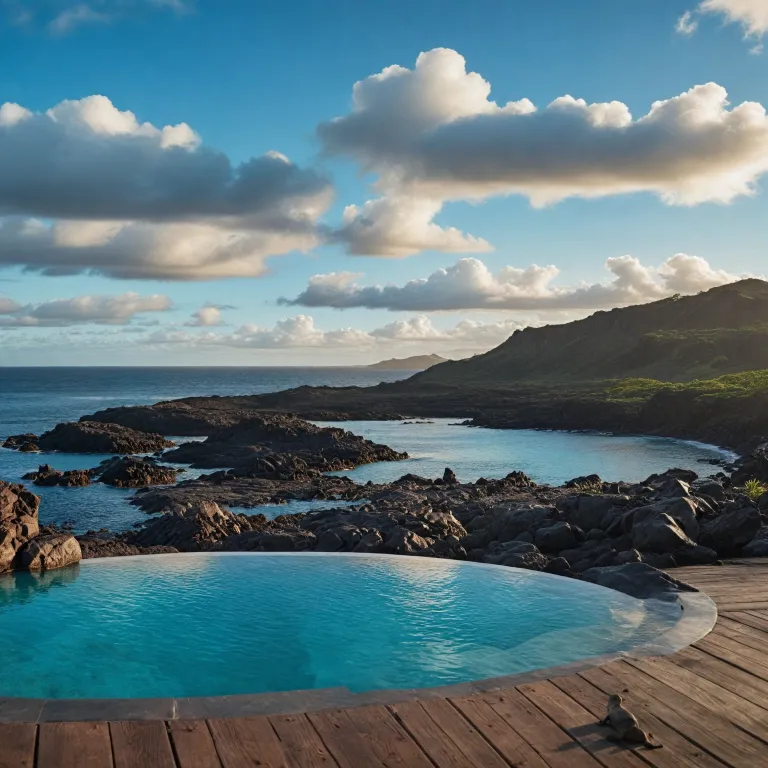
The warm wet season in Galapagos runs roughly from late december through may, and it is often considered the best time for travelers who love sun, color, and warm water. During this period, Galapagos islands weather is characterized by higher temperatures, calmer seas, and brief but intense showers that quickly give way to clear skies. Luxury hotels and premium eco lodges use this season to highlight infinity pools, open air lounges, and private decks where guests can enjoy the soft evening air temp after a day of exploration.
In january, water temperature in the Galapagos sea begins to climb, making it an excellent time to visit Galapagos for snorkeling with sea turtles and playful sea lions. By march and april, the Panama Current strengthens, and both air temp and sea temperatures reach some of their annual max min values, ideal for guests who prefer swimming without wetsuits. Many travelers consider this the best time to combine a Galapagos cruise with a few days in a premium island resort, balancing offshore adventure with onshore spa treatments and fine dining.
Because the wet season brings more rainfall, especially at higher elevations, lush vegetation frames every island landscape and enhances wildlife activity. Even during showers, luxury properties offer sheltered terraces, curated video presentations about conservation, and private guides who adjust each activity to the changing weather Galapagos conditions. For guests who value comfort, warmth, and vibrant colors, the warm wet season in Galapagos delivers a particularly indulgent style of travel.
Cool dry season : elegant escapes from june to november
The cool dry season in Galapagos extends from june to november, shaped strongly by the Humboldt Current that flows along the South American coast. During this period, Galapagos islands weather becomes fresher, with lower air temp values, more cloud cover, and a pronounced dry season feel at sea level. For many premium travelers, this is the best time to enjoy long hikes, photography focused excursions, and sophisticated evenings in luxury lounges without intense heat.
Although rainfall decreases at sea level, higher elevations on each island can still receive mist and drizzle, creating green highlands that contrast with the arid coast. Average max min temperatures remain moderate, but the cooler air temp and lower water temperature mean that wetsuits are often recommended for extended snorkeling sessions. Guests who choose this season in Galapagos often prioritize wildlife activity, as nutrient rich upwelling in the Galapagos sea attracts marine life and seabirds in impressive numbers.
From july through september, seas can be choppier, which is important to consider when selecting a Galapagos cruise or planning inter island transfers. Luxury and premium hotels respond by coordinating flexible activity schedules, offering more land based excursions on days when weather Galapagos forecasts predict stronger swells. For travelers who appreciate a slightly brisker climate, dramatic skies, and intense wildlife encounters, the cool dry season can be the best time to visit Galapagos and then unwind in an elegant oceanfront suite.
Month by month : choosing the best time and island for your stay
When evaluating Galapagos islands weather month by month, it helps to match each period with your preferred activity style and comfort level. In january and february, warm air temp and rising water temperature create ideal conditions for swimming, kayaking, and relaxed days on hotel terraces. By march and april, many guests consider this the best time to visit Galapagos for a blend of calm seas, clear skies, and intense wildlife activity on both land and in the Galapagos sea.
From may into july, the transition toward the dry season in Galapagos begins, and you may notice cooler evenings and slightly rougher seas. July and august can bring more wind and swell, so travelers prone to motion sensitivity might prefer a land based stay on a central island such as Santa Cruz, using day trips instead of a full Galapagos cruise. During these months, max min temperatures remain comfortable, but packing layers becomes essential for early morning boat rides and sunset rooftop cocktails.
September and october are often favored by photographers who appreciate dramatic clouds and active wildlife, while november offers a gentle shift back toward warmer conditions. Throughout the year, careful reading of Galapagos weather reports and weather Galapagos forecasts helps you fine tune the number of days you spend on each island. Luxury travel planners often recommend combining three to five days on a cruise with several days in a premium hotel, optimizing both wildlife encounters and refined relaxation during your chosen time to visit.
How galapagos weather shapes luxury hotel and cruise choices
For premium travelers, Galapagos islands weather is not just a background detail ; it directly shapes the style of accommodation and level of comfort you will enjoy. In the warm wet season, many guests favor oceanfront suites with large terraces, where higher air temp and gentle breezes make outdoor living spaces particularly inviting. During the dry season, properties at slightly higher elevations can feel pleasantly cool, thanks to the approximate 0.9 °C temperature decrease per 100 meters, which influences both max min readings and perceived comfort.
When planning a Galapagos cruise, season in Galapagos and expected sea conditions are crucial, especially for travelers who value seamless luxury. Calm seas in the warm season often suit guests who want to move easily between islands Galapagos without worrying about motion discomfort, while the cooler wet season seas can feel more dynamic but also more rewarding for wildlife activity. The choice between a cruise and a land based stay also depends on how much time you wish to spend on the water versus enjoying spa facilities, fine dining, and curated experiences within your hotel.
Budgeting in USD for a premium stay requires considering how season affects demand, as the best time for many travelers can coincide with higher rates. Carefully timed bookings, often several months in advance, help secure preferred suites and private guides during peak wildlife activity periods. For deeper insight into guest expectations and premium behavior patterns, you can review this analysis of profiles of premium guests and luxury hotel booking in Ecuador, then align your own travel style with the most suitable island and season.
Wildlife, water, and practical tips for a refined galapagos stay
One of the defining features of Galapagos islands weather is how closely it is linked to wildlife behavior, which matters greatly for high end travelers seeking meaningful encounters. The quote “The Galápagos Islands have a warm, wet season from December to May and a cool, dry season from June to November.” highlights how seasonality frames every wildlife experience. During the warm wet season, many species breed, and you may see blue footed boobies performing courtship dances, while in the dry season, nutrient rich waters intensify marine wildlife activity around each island.
Water temperature is a key factor when planning snorkeling or diving from a luxury yacht or a premium shore based operation. In the warm season, higher water temperature makes long sessions in the Galapagos sea comfortable, even for guests who prefer lighter wetsuits or none at all. In the dry season, cooler water can enhance sightings of certain species, but premium operators provide high quality gear and heated towels so that max min air temp changes feel less abrupt when you return to the deck.
Practical planning should also consider rainfall patterns, as average annual rainfall at sea level is modest compared with higher elevations. This means that even in the wet season, many coastal hotels enjoy frequent clear skies between showers, allowing you to continue your chosen activity or relax by the pool. Reviewing a short video briefing from your hotel or cruise team each evening helps you understand upcoming weather Galapagos conditions, adjust your time to visit specific sites, and ensure every day of your stay feels both comfortable and rewarding.
Aligning budget, length of stay, and premium expectations with galapagos climate
Aligning your budget in USD, preferred level of luxury, and ideal number of days with Galapagos islands weather patterns will help you design a stay that feels both indulgent and efficient. Many premium travelers choose a minimum of five to seven days, allowing time to adapt to local temperatures, explore more than one island, and enjoy unhurried afternoons in their hotel. Shorter stays can still be rewarding, but understanding season in Galapagos and likely weather Galapagos conditions ensures that each activity fits comfortably into your schedule.
When comparing offers, note how different properties and cruise lines describe air temp, water temperature, and expected wildlife activity for your chosen month. Transparent operators will reference the influence of the Humboldt Current during the dry season and the Panama Current during the warm wet season, explaining how these forces shape both Galapagos weather and sea conditions. This level of detail reflects a commitment to expertise and trustworthiness, which is essential when investing significant USD amounts in a once in a lifetime journey.
Finally, consider how your own comfort thresholds interact with max min temperatures and the balance between dry and wet season characteristics. If you value warm evenings, calm seas, and vibrant colors, the warm season may be your best time to visit Galapagos, while travelers who enjoy cooler air and dramatic skies may prefer july through october. By integrating reliable climate information, clear expectations about islands Galapagos conditions, and a realistic view of your preferred activity level, you can select the perfect time to visit and enjoy a truly elevated experience.
Key climate statistics for planning a luxury galapagos stay
- Average annual rainfall at sea level in the Galapagos is approximately 356 mm, supporting relatively dry coastal landscapes.
- At around 200 meters elevation, average annual rainfall rises to roughly 1 092 mm, creating greener highland zones on many islands.
- Temperatures typically decrease by about 0.9 °C for every 100 meters of elevation gain, which can make hilltop properties feel noticeably cooler.
Essential questions about galapagos islands weather
What are the two main seasons in the Galapagos Islands?
The two primary seasons are a warm, wet season from december to may and a cool, dry season from june to november. These seasons are shaped by the interaction of the warm Panama Current and the cooler Humboldt Current, which together define Galapagos islands weather patterns. Understanding this cycle helps travelers choose the best time to align wildlife viewing, sea conditions, and personal comfort.
How do ocean currents affect the Galapagos climate?
The Humboldt Current brings cooler temperatures and drier air during the dry season, lowering both air temp and water temperature around the islands. In contrast, the Panama Current introduces warmer, more humid conditions during the warm wet season, raising sea temperatures and contributing to increased rainfall. This interplay explains why Galapagos weather can feel surprisingly varied despite the archipelago’s equatorial position.
What is the average annual rainfall at sea level in the Galapagos?
Average annual rainfall at sea level in the Galapagos is around 356 mm, which supports the characteristic arid coastal ecosystems found on many islands. Higher elevations receive significantly more rainfall, leading to lush highland zones that contrast with the drier shores. Travelers should consider these differences when choosing between coastal and highland accommodations during any season.