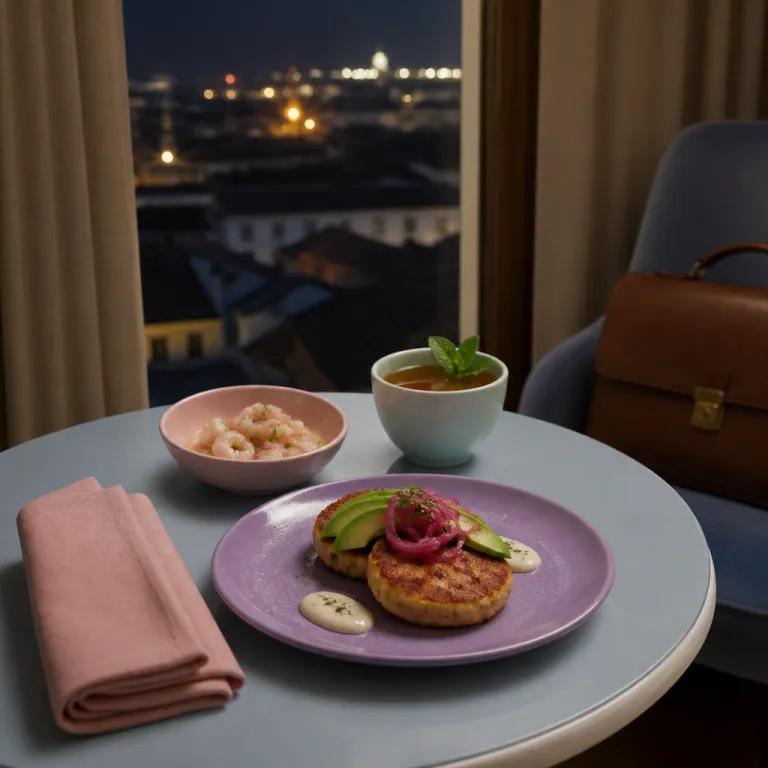
The 48-hour reservation triage for executive travellers
Landing in Quito for a tight business schedule demands a clear hotel guide to Ecuador’s capital and a focused strategy for dining. With only forty eight hours, you must decide which restaurant calls you handle personally and which your hotel concierge escalates through insider channels. That balance shapes whether your first night feels like a rushed room service tray or a composed tasting menu with Andean altitude in the glass.
For high demand tables such as Nuema, the unwritten rule in this Quito hotel guide is simple: you let the front desk or guest relations at a top property take the lead. Casa Gangotena, JW Marriott, and other best hotels in the city maintain priority contacts and, in some cases, informal loyalty pools that quietly unlock last minute seats. When you stay in centrally located hotels in Ecuador such as Hilton Colón Quito or a restored hacienda in the historic centre, you are effectively buying access to a concierge who knows which maître d’ still has a flexible table at 21:00.
Use your first day to map distances between your hotel, the international airport, and the main dining districts of Quito. Traffic from Mariscal Sucre International Airport into the city can stretch beyond an hour, so a late arrival often means you need a hotel restaurant with serious cooking rather than a taxi dash across town. In this executive-focused hotel guide to Ecuador, travellers who choose Hilton Colón or a similar business hotel near the financial district gain quick access to La Floresta and González Suárez, where several of Quito’s most acclaimed restaurants cluster within a few kilometres.
When you only have two evenings, treat your first dinner as a guaranteed reservation and your second as a flexible play. Ask your hotel to secure one anchor booking at a flagship restaurant, then request a shortlist of places to stay within a ten minute ride for night two. This approach lets you adapt to jet lag, altitude at roughly 2,850 metres, and shifting meeting schedules without sacrificing the depth of your dining experience in Ecuador.
48-hour action plan for late-booking executives
- Within 2 hours of landing: confirm your hotel’s concierge hours and ask for current transfer times from Mariscal Sucre International Airport to central Quito (typically 45–70 minutes in normal traffic, according to local transport operators and hotel guidance).
- First evening: rely on your hotel’s in-house restaurant or a partner venue within a short ride; request lighter dishes while you adjust to altitude and time zone.
- Morning of day two: ask the concierge to prioritise one flagship reservation (Nuema, Zazu, or similar) and to place you on any available standby lists; specify acceptable time windows and whether you are open to counter or bar seating.
- Afternoon of day two: confirm your backup plan in La Floresta, González Suárez, or Cumbayá based on where your meetings will end; verify closing times and Sunday schedules directly with the restaurant or through your hotel.
- Departure day: if your flight leaves late, request a final dinner near the airport corridor and ask your hotel to coordinate a combined restaurant and transfer schedule so you avoid unnecessary returns to the city centre.
Old Town power moves: Casa Gangotena, Nuema and Sunday gaps
Quito’s Old Town is where this hotel guide to Ecuador becomes most strategic for business travellers extending a stay. Around Plaza San Francisco, Casa Gangotena anchors a cluster of properties where hotel guests enjoy quiet advantages in the city’s most atmospheric quarter. The hotel’s relationship network, including a close partnership with Nuema, often means that a room key can translate into a tasting menu seat even when the public reservation book looks closed.
Nuema typically releases tables several weeks in advance, which sounds unforgiving for a late booking executive. Yet when you are checked into Casa Gangotena or another high calibre hotel nearby, the concierge can often place you on a priority standby list that moves faster than the public queue. This is where the promise of a curated Quito hotel guide becomes tangible: the right hotel in Ecuador does not just give you a bed, it gives you leverage in the city’s most sought after dining rooms.
The Sunday night gap is the Old Town’s biggest trap for visiting executives. Many fine dining rooms close, leaving travellers to wander between shuttered doors unless they understand which places stay open and still deliver serious service. Hotel Patio Andaluz and Theatrum at Plaza del Teatro are two reliable options, with Theatrum operating a clear standby protocol where hotel guests who arrive early, leave a mobile number, and wait at the bar are usually seated before walk in tourists.
For those interested in how Andean properties balance wellness narratives with real hospitality substance, this hotel guide to Ecuador pairs well with an in-depth look at three Andean properties that avoid the patronising wellness trap. Back in Quito’s centre, your Old Town hotel choice also shapes access to late evening chocolate tastings with Bertrand Indemini at Chez Tiff or miske samplings with Agave Spirit Ecuador. Both experiences work as refined, short format evenings when a full tasting menu feels too heavy after a long day of meetings.
La Floresta, González Suárez and Cumbayá: where to pivot at the last minute
Executives using this Quito hotel guide often arrive with one fixed dinner plan and a second night left deliberately open. That is where the decision tree between La Floresta, González Suárez, and Cumbayá becomes essential. Each district offers different advantages for late booking, solo dining, and small group hosting, especially when you are based at a business hotel such as Hilton Colón or a nearby casa style property.
La Floresta suits travellers who value walkable streets, creative cooking, and short taxi rides from central hotels in Ecuador. From a hotel in the financial district, you can reach this neighbourhood in under fifteen minutes on a good day, which makes it ideal for dinners squeezed between late afternoon calls and early morning flights. González Suárez, perched slightly higher, offers more residential calm and several restaurants that quietly prioritise tables for guests from nearby hotel partners when the concierge calls.
Cumbayá, by contrast, lies closer to the road that leads toward the international airport, which matters if your final day includes both meetings and a late departure. Many executives use this hotel guide to Ecuador to plan a last dinner in Cumbayá, then continue directly to the airport without returning to the city centre. The area’s plazas and terraces work well for small groups who want a relaxed atmosphere with polished service rather than a formal tasting menu.
If your trip extends beyond Quito, consider how your urban dining choices frame the rest of your stay Ecuador wide. A morning flight to Cuenca, for example, pairs beautifully with the solo friendly rhythm described in our piece on Cuenca’s solo mornings around Mansión Alcázar. Thinking in sequences like this turns a compressed business itinerary into a coherent journey, where each hotel and restaurant choice in Ecuador feels like part of a single, well edited narrative.
Executive solo dining, standby etiquette and late bar strategies
Solo executive diners reading this Quito hotel guide often worry about atmosphere more than availability. In Quito, the best hotels understand this and brief their partner restaurants accordingly, ensuring that counter seats, window tables, or quiet corners are held back for last minute business travellers. When your concierge calls Zazu or Theatrum on your behalf, mention that you are dining alone and prefer a bar seat or chef’s counter; these are usually easier to secure within forty eight hours.
Standby list etiquette in Quito’s upper tier restaurants rewards clarity and patience. At Zazu, arriving early, leaving your name, and then returning to your hotel bar for a first drink is more effective than hovering at the host stand. Theatrum, set above Plaza del Teatro, operates a similar system where hotel guests who coordinate through concierges at properties like Casa Gangotena or Hilton Colón often move up the list faster than casual walk ins.
Late evening bar programmes are your safety net when reservations fail or meetings run long. Vista Hermosa in the historic centre and Bandido in La Floresta both maintain cocktail lists that hold up after 22:00, with staff used to serving executives who arrive straight from negotiations. This Ecuador hotel guide treats these bars as essential waypoints, not afterthoughts, because they allow you to salvage a night with a well made drink and a view even when the kitchen options have narrowed.
For a lighter evening, consider a structured tasting rather than a full dinner. The dataset for Quito’s gastronomy highlights how a concise itinerary might include Mercado de Santa Clara in the morning, lunch at Salnés Gastro Picantería, and a chocolate session with Bertrand Indemini at Chez Tiff. As one local guide puts it, “Locro de papas, a traditional potato soup, is a must try dish in Quito,” and it appears on many menus that are friendly to solo business travellers who want something comforting yet rooted in Ecuadorian tradition.
From cloud forest to Galápagos: aligning hotels and hidden gastronomic stays
Many executives using this hotel guide to Ecuador extend their trip beyond Quito into the country’s cloud forest, Amazon basin, or the Galápagos Islands. The key is to align your hotel choices with gastronomic ambitions rather than treating remote lodges as mere overnight stops. When you book Mashpi Lodge in the cloud forest, for example, you are securing both a biodiversity immersion and a kitchen that interprets local produce with the same care as a city fine dining room.
Mashpi, set within a private reserve, works best when you coordinate flights and transfers through Metropolitan Touring or a similar operator. Their teams understand how to connect an early checkout from a Quito hotel with a same day arrival at the lodge, minimising dead time between meetings and rainforest hikes. Many travellers structure their stay Ecuador wide so that Mashpi Lodge follows two nights in Quito, creating a narrative arc from urban tasting menus to forest foraging walks.
Hacienda style properties also play a crucial role in this Ecuador hotel guide, especially for those seeking quieter evenings with strong kitchens. Hacienda Cusin near Otavalo offers a mix of historic architecture, fireplaces in the rooms, and menus that lean on local corn, cheese, and garden vegetables. A lodge casa format like this suits executives who want to review presentations by the fire after dinner, rather than navigate another city taxi ride.
In the Amazon region, an Amazon lodge with a serious culinary programme can turn what might have been a purely expeditionary detour into a coherent hospitality experience. Look for properties that emphasise both safety and produce handling, echoing the dataset’s advice to exercise caution with street food and to use bottled water. When your hotel in Ecuador, whether a hacienda, lodge, or urban casa, treats gastronomy as part of its identity, every leg of your journey feels intentional rather than improvised.
Galápagos extensions: bays, islands and hotel advantages for late planners
For executives reading this hotel guide to Ecuador, the Galápagos often represents the reward at the end of a demanding schedule. The challenge is that the islands operate with stricter logistics, from national park regulations to limited flight slots, which can intimidate late planners. Choosing the right Galápagos hotel or lodge becomes the difference between a rushed checklist and a composed, bay facing retreat.
On Santa Cruz, Finch Bay Galápagos Hotel stands out for its balance of access and calm. Set beside a sheltered bay, Finch Bay offers flexible day trip options to nearby islands, which suits travellers who only confirm their leisure extension once business meetings in Quito are finalised. The property’s kitchen leans into fresh seafood and clean flavours, making it a natural continuation of the gastronomic thread that began in the capital.
San Cristóbal’s waterfront scene, including refined properties highlighted in our feature on waterfront elegance on the bay in the Galápagos, rewards those who value views as much as menus. Here, hotel guests often receive priority for sunset terrace tables, with staff coordinating around day trip returns from the surrounding islands. This Ecuador hotel guide emphasises that in the Galápagos Islands, your room key often doubles as your restaurant reservation, especially in smaller bayside properties.
Working with Metropolitan Touring or a similar operator helps align flights from Quito’s international airport with check in times at your chosen Galápagos hotel. Many itineraries pair a final night at a reliable city property such as Hilton Colón or Oro Verde with an early morning flight to Baltra or San Cristóbal, reducing the risk of missed connections. When you view Ecuador as a single, interconnected hospitality landscape, from Quito’s Old Town to a quiet bay in the Galápagos, every hotel and restaurant choice becomes part of one continuous, carefully edited stay.
Key figures for late booking gastronomy in Quito and beyond
- Quito sits at approximately 2,850 metres above sea level, or about 9,350 feet, which can affect appetite and alcohol tolerance for newly arrived business travellers (altitude figure widely cited in National Geographic and other reference sources).
- The city hosts dozens of recognised markets, including Mercado de Santa Clara, giving late booking visitors abundant options for informal daytime eating when restaurant reservations are tight (market count based on local culinary guides and municipal data).
- Nuema generally encourages advance reservations, so hotel concierge relationships become critical for securing tables within forty eight hours, especially during peak corporate travel periods.
- Quito’s representation on international lists such as 50 Best Discovery has grown in recent years, concentrating high level dining in a compact urban area that executives can navigate within short taxi rides from major hotels.
- Transfers from Mariscal Sucre International Airport to central Quito hotels often take 45 to 70 minutes depending on traffic, which makes the choice of first night restaurant and hotel bar programme particularly important for late evening arrivals.
FAQ: Quito gastronomy and hotel strategies for business travellers
What is the smartest way to secure a top table within 48 hours?
Use your hotel concierge as the primary negotiator for high demand restaurants such as Nuema or Zazu, then handle more casual reservations yourself. Concierges at properties like Casa Gangotena or Hilton Colón maintain direct relationships with maître d’s and can often access priority standby lists. A simple script helps: “Good evening, this is [Name], guest in room [Number]. I have a tight business schedule and would value your help securing a late dinner at [Restaurant] tomorrow or the following night. I am flexible on time and happy with a bar or counter seat if that improves availability.” Always specify whether you are dining solo or with a group, as counter or bar seats are easier to confirm at short notice.
Which nights are hardest for fine dining in Quito?
Sunday night is the most challenging, because many fine dining restaurants close or reduce service. Plan to rely on hotel affiliated venues such as Theatrum at Plaza del Teatro or the restaurant at Hotel Patio Andaluz, which typically maintain Sunday operations. For very late arrivals, choose a hotel with a strong in house kitchen and bar so you are not dependent on external reservations.
Is it safe to explore Quito’s street food between meetings?
Street food can be rewarding, but business travellers with tight schedules should be selective. Follow the dataset guidance to exercise caution, opt for busy and reputable vendors, and use bottled water rather than tap. When in doubt, ask your hotel for specific stall recommendations near markets like Santa Clara to reduce risk while still tasting local flavours.
How should I plan for altitude when scheduling business dinners?
At roughly 2,850 metres, Quito’s altitude can make heavy meals and strong drinks feel more intense, especially on your first day. Schedule lighter dinners or tastings on arrival night, then move to longer menus once your body has adjusted. Hydration, moderate alcohol intake, and avoiding very late starts will help you stay sharp for morning meetings.
Can I combine Quito meetings with a short Galápagos or cloud forest stay?
Yes, but coordination is crucial. Work with your hotel and a trusted operator such as Metropolitan Touring to align flights, transfers, and lodge check in times for destinations like Mashpi Lodge or Finch Bay in the Galápagos. Many executives structure two nights in Quito, followed by two or three nights in a lodge or bay side hotel, creating a compact yet coherent itinerary.