Luxury stay in Ecuador for solo wellness travellers
Solo travellers planning a luxury stay in Ecuador quickly notice a pattern. Many luxury hotels talk about energy cleansing and ancestral wisdom, yet the wellness programme feels like a spa menu flown in from anywhere. Patronizing wellness appears when a hotel assumes you need hand holding rather than intelligent guidance.
In Ecuador, this often means chakra themed packaging, vague references to the amazon rainforest, and generic breathwork sessions sold as ancient Andean rites, with little explanation of Andean cosmology or local healers. It is wellness as décor, not as a grounded experience, and solo guests who have crossed oceans for a meaningful trip in Ecuador feel the gap immediately. A true ecuador luxury retreat respects that you arrive with your own practice, your own questions, and a clear sense of how you want to use five or seven days.
Three Andean properties stand out for avoiding this trap and redefining what a luxury stay in Ecuador can be for independent travellers. Casa Gangotena in Quito Ecuador, Hacienda Cusin near Otavalo, and Volcán Runtun above Baños each work with local practitioners and design programmes that speak to context, not clichés. They show that the right hotel, or a small group of aligned hotels Ecuador wide, can turn a solo wellness escape into a precise, layered experience.
Casa Gangotena, Quito: altitude, Andean wisdom and urban reset
Casa Gangotena sits on Plaza San Francisco in the heart of Quito, and it treats altitude as a design principle rather than a problem to be disguised with eucalyptus oil. The hotel structures its breathing and movement sessions around mornings, when the light is soft and the air in Quito Ecuador is crisp but manageable. For a solo traveller, this creates a rhythm that respects both the body and the city outside the property walls.
Patronizing wellness would offer a one size fits all yoga class in a windowless room, then send guests to a restaurant with a token quinoa salad labelled Andean. Casa Gangotena instead collaborates with local practitioners who understand that “A worldview encompassing the three worlds: Hanan Pacha, Kay Pacha, and Ukhu Pacha.” shapes how many Quiteños think about balance, time, and responsibility. These partners echo the approach of projects such as Willka T’ika, INTI NAN, and Andean Trail Kitchen in Peru, where collaboration with indigenous healers and cultural anthropologists keeps practices grounded.
For solo wellness travellers, the key is how flexible the hotel is with in room treatments and pacing. Short altitude friendly massages, guided breathwork on the terrace with a view hotel style panorama of the historic centre, and light, vegetable forward menus inspired by Andean ingredients all support a gentle reset between longer journeys through the ecuador amazon or towards the galapagos islands. If you are planning a refined stay around the Andes, pairing Casa Gangotena with a countryside retreat or a refined stay around the Quilotoa Loop in Ecuador creates a powerful arc.
Hacienda Cusin and the Andean herbal approach
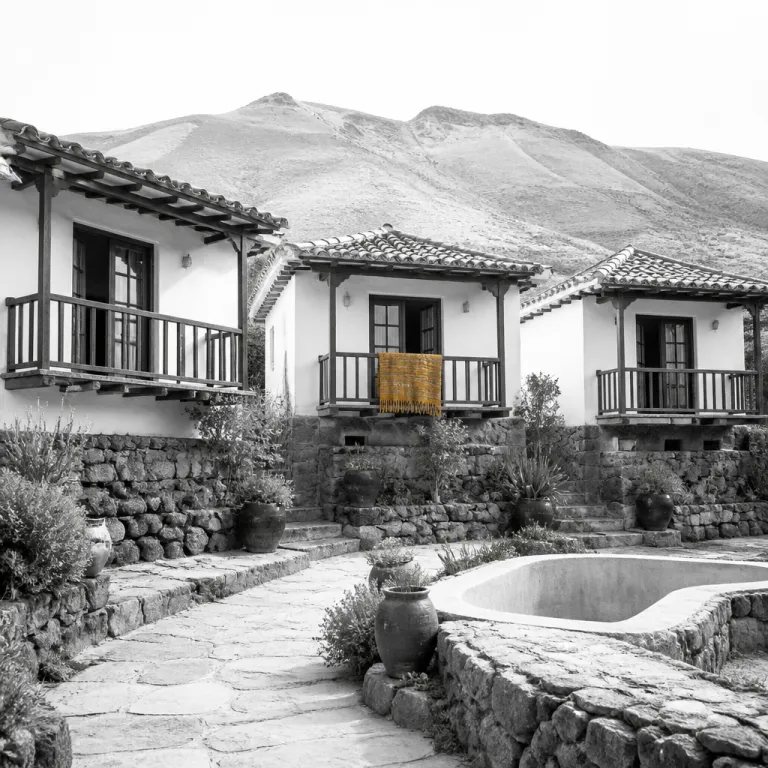
North of Quito, Hacienda Cusin offers a different chapter in a luxury stay in Ecuador, one rooted in gardens, fireplaces, and Andean herbal knowledge. The hacienda sits near Otavalo, where traditional healing remains part of daily life for many rural families. Data from regional health organisations suggests that a large majority of rural Andean residents still rely on traditional practices for some aspect of care, which shapes how serious local communities are about plant knowledge.
At Hacienda Cusin, Andean herbal massages are not a themed add on but a conversation with that landscape, using plants grown on or near the property and explained clearly to guests. This mirrors the way Andean Trail Kitchen uses traditional cuisine to teach visitors about healing, and how INTI NAN integrates self knowledge tools with Andean wisdom rather than replacing it. When a hotel in Ecuador takes this route, it stops selling a fantasy and starts offering an experience that respects both guest intelligence and local expertise.
Solo travellers can request in room treatments here, which matters if you are pacing a five to seven day wellness arc that includes time in Quito, perhaps a stay at Casa Gangotena, and then a quieter phase in the countryside. The hacienda model, echoed at places like Hacienda Zuleta, allows you to move between gardens, small spa spaces, and your own room without feeling managed. For deeper context on how Quito’s dining scene supports wellness, look at this guide to Andean ingredients on the business lunch menu and Quito’s mid day reset, then ask your hotel restaurant to adapt similar principles for solo guests.
Volcán Runtun, Baños: volcano views and serious spa work
Above Baños, Volcán Runtun faces Tungurahua and treats the volcano as a constant, not a backdrop. Treatment rooms with direct volcano views change how you experience time on the massage table, especially if you have just come from the dense humidity of the amazon rainforest or the cool streets of Quito. The property understands that solo guests often arrive here mid itinerary, carrying both physical fatigue and emotional residue from earlier stages of their trip Ecuador wide.
Patronizing wellness in this region might mean colourful chakra posters, a generic “Andean” scrub, and a schedule that assumes you want to be busy every hour. Volcán Runtun instead offers clear choices between deep tissue work, hydrotherapy, and quieter rituals that can be done in room, with staff trained to read how much conversation a solo traveller actually wants. This respect for autonomy echoes the best practices seen at eco lodge projects in the cloud forest, such as Mashpi Lodge, where the line between guided activity and personal time is carefully managed.
For those pairing a luxury stay in Ecuador with time in the galapagos, Baños can be the decompression point between high altitude Quito and sea level expeditions. Planning around reservation windows for peak Galápagos hospitality, as outlined in this analysis of peak Galápagos hospitality in July and August, helps you slot Volcán Runtun into a wider arc that might also include a safari camp style lodge in the ecuador amazon. The result is a wellness journey that respects your independence while still offering structure.
From Quito plazas to cloud forests: choosing practitioners, not labels
Across Ecuador, the label “spa hotel” tells you almost nothing about how a property will treat a solo wellness guest. A luxury stay in Ecuador can mean a restored casa in the historic centre, a hacienda in the highlands, or a lodge in the cloud forest, and each context demands different skills from practitioners. The smartest move is to book by practitioner network rather than by marketing language.
Ask Casa Gangotena which local breathwork teachers or herbalists they collaborate with, and how sessions are adapted for altitude and for guests arriving from long haul flights. At Hacienda Zuleta or similar haciendas, request details on who leads Andean herbal treatments, how they were trained, and whether they work with local communities in ways that mirror the respectful collaborations seen at Willka T’ika and INTI NAN. In the cloud forest, properties like Mashpi Lodge or an eco lodge near Mindo should be able to explain how their guides and wellness practitioners integrate forest knowledge without turning it into a performance.
Solo travellers should also interrogate dietary configurations rather than accepting vague promises of “wellness cuisine” at any hotel restaurant. In Quito Ecuador, a thoughtful kitchen can adapt Andean ingredients into light, restorative menus, while in the ecuador amazon or on the galapagos islands, the focus might shift to fresh river fish or coastal produce. When a property can articulate these choices clearly, from Casa Gangotena’s urban dining room to a remote lodge near the amazon rainforest, it signals a seriousness that goes far beyond scented candles.
Designing a five to seven day solo wellness arc in Ecuador
Think of your luxury stay in Ecuador as a sequence of ecosystems rather than a single hotel booking. A five to seven day arc might start with two nights in Quito at Casa Gangotena, move to three nights at a hacienda such as Cusin or Zuleta, then end with two nights at a lodge in the cloud forest or near Baños. Each step should have a clear wellness purpose, not just a change of scenery.
In Quito, focus on gentle altitude acclimatisation, structured morning breathing, and light urban exploration anchored by one or two carefully chosen treatments. The hacienda phase can deepen bodywork with Andean herbal massages, slow walks through gardens, and unhurried meals that highlight local grains and vegetables rather than heavy tasting menus. Your final stop, whether Volcán Runtun, an eco lodge in the cloud forest, or a small property near the ecuador amazon, should prioritise sleep, hydrotherapy, and unstructured time.
Throughout this arc, resist the urge to over schedule, especially if you are also adding a galapagos Ecuador extension with time at Finch Bay or another view hotel facing the sea. Solo wellness travel works best when there is space between sessions to integrate what you have felt, whether that is a quiet hour in your room at hotel del parque in Guayaquil or a slow breakfast at a lodge before a guided walk. The Andean lesson, shared by many indigenous healers, is that balance comes from rhythm, not from intensity.
FAQ
How do I avoid patronizing wellness experiences in Ecuadorian hotels ?
Ask specific questions before booking about who leads treatments, how they were trained, and how local traditions are integrated. Properties that collaborate with indigenous healers or cultural educators, and that can explain Andean cosmology or herbal practices clearly, are less likely to offer superficial, chakra themed experiences. Look for flexibility in scheduling, in room options, and menus that reflect local ingredients rather than generic spa cuisine.
What makes Casa Gangotena suitable for solo wellness travellers ?
Casa Gangotena treats Quito’s altitude as a central design factor, structuring breathing and movement sessions around mornings and keeping treatments short and restorative. The hotel’s location in the historic heart of Quito allows solo guests to combine gentle urban exploration with quiet time in elegant rooms or on terraces. Its willingness to adapt menus and treatments to individual needs makes it a strong base for the first phase of a wellness focused trip.
How do Andean herbal massages at haciendas differ from standard spa treatments ?
At haciendas such as Cusin, herbal massages draw on plants grown in the gardens or sourced from nearby communities, with practitioners explaining their properties and uses. This contrasts with generic aromatherapy treatments that could be offered anywhere and that rarely reference local knowledge. The result is a massage that feels anchored in place and in Andean healing traditions rather than in international spa trends.
How should I structure a week long solo wellness itinerary in Ecuador ?
A balanced week might include two nights in Quito for acclimatisation and light treatments, three nights at a highland hacienda for deeper bodywork and rest, and two nights at a lodge in the cloud forest or near Baños for hydrotherapy and unstructured time. If you are adding the Galápagos or the ecuador amazon, place the most physically demanding segments in the middle of the trip. Always leave space between treatments and travel days to avoid turning wellness into another form of pressure.
Is it better to choose a property or a practitioner network for wellness travel ?
For solo wellness travellers, choosing by practitioner network is usually more effective than choosing by property label. A hotel that can describe its local healers, yoga teachers, or herbalists in detail, and that collaborates respectfully with surrounding communities, is more likely to deliver meaningful experiences. Once you have identified strong practitioners, you can then compare properties on comfort, location, and how they fit into your wider itinerary.