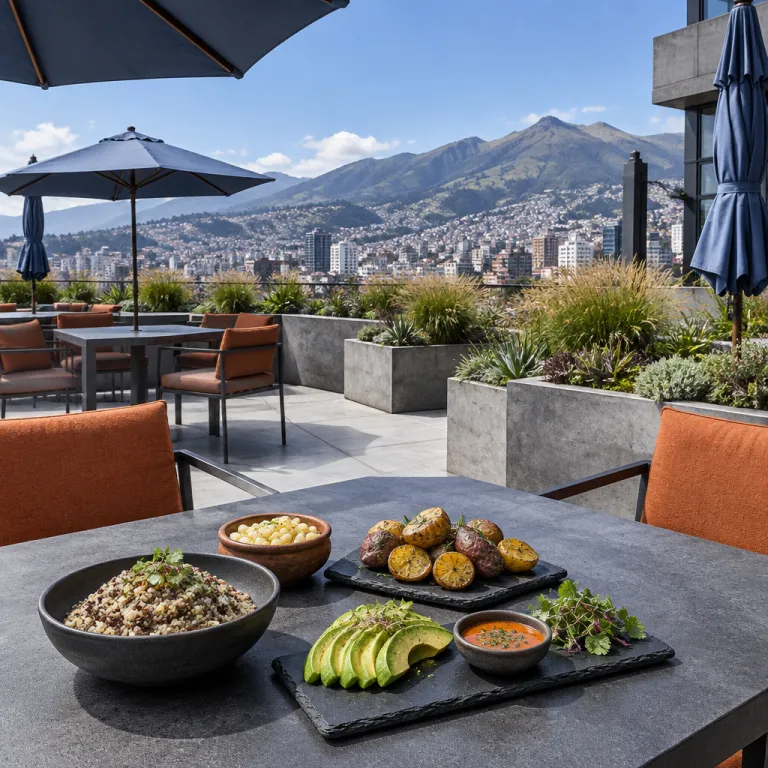
The altitude rhythm of Quito’s business lunch
Quito sits at roughly 2 850 metres above sea level, and that altitude quietly shapes every business lunch in Ecuador’s capital. Local executives know that the most productive meetings often happen between 13:00 and 15:00, when the Andean light softens and the pace of conversation slows just enough for real decisions. In this hotel and restaurant guide to Ecuador’s highland hub, the mid day reset is not a luxury but a tool for sharper focus later in the afternoon.
For travellers extending a work trip across Ecuador, understanding this rhythm is as important as choosing the right hotel or the right restaurants. A well timed lunch in Quito Ecuador can make the difference between a foggy post meeting slump and a clear headed session of calls from your room with a panoramic view of the surrounding volcanoes. Local experts quietly advise new arrivals to schedule serious negotiations after a proper meal, not before, because altitude and empty stomachs rarely mix for the better.
Across leading hotels in Ecuador, from historic Casa Gangotena in the Centro Histórico to the JW Marriott in the modern north, the best properties have adapted their service to this Andean cadence. They know that a business traveller might land from elsewhere in Latin America late at night, sleep lightly, then rely on a 13:00 seating to reset body and mind before an afternoon of site visits or day tours. This Quito focused hotel guide perspective starts at the table, not the boardroom, because in South America’s high capitals, hospitality and deal flow are inseparable.
Zazu, Zero Lab and the expense account Andean tasting
Three addresses define the serious business lunch circuit in north Quito, and each earns its place in any refined Ecuador dining guide. Zazu, long associated with Relais & Châteaux standards under chef Wilson Alpala, offers a polished benchmark, while Zero Lab in the northern corridor provides a modernist counterpoint for executives who want their Andean ingredients plated with architectural precision. Raíces at the JW Marriott Quito then anchors the hotel side of the loop, giving visiting teams a controlled environment where service choreography matches any luxury hotel standard in Latin America.
At Zazu, the 13:00 to 15:00 window feels almost designed for altitude pacing, with tasting menus that move from delicate coastal ceviche to richer highland plates in a slow, deliberate arc. Expect lunch tasting menus to sit in the mid to upper price range for Quito, with optional wine pairings that reward an expense account. The pairing strategy matters more at 2 850 metres, and the Spanish speaking sommeliers understand how altitude subtly shifts tannins and aromatics. For readers building a Quito Ecuador business travel plan, Zazu’s cellar and fine dining credentials make it one of the best lunch investments in the city, especially when you need to impress partners who already know South America’s major dining rooms.
Zero Lab, led by the Gallardo father and son team, offers a different kind of mid day reset, with tasting flights that treat Andean corn, potatoes and quinoa as design elements as much as ingredients. Here, the atmosphere suits younger founders and creative directors who want a less formal setting than traditional hotel venues, but still expect crisp service and precise timing. Lunch service typically starts around 12:30, with reservations recommended for the 13:00 to 14:00 peak. If your trip Ecuador agenda includes both board meetings and product workshops, alternating between Zazu and Zero Lab keeps the culinary narrative fresh while still aligning with a single, coherent strategy for serious dining. For a deeper dive into how Ecuador’s three climate zones shape the plate, the coastal to Andean tasting perspective on Ecuador’s three climate tasting menu is a useful companion read.
Raíces, Runa Tulpa Andina and the power of Andean ingredients
Raíces at the JW Marriott Quito, under chef Orlando Bastidas, is where many regional teams quietly close their Ecuador deals without ever leaving the hotel. The dining room balances polished service with a menu that leans into Andean staples, making it ideal for executives who want to taste local flavours without sacrificing the predictability that hotel restaurants provide. For any Quito hotel guide aimed at business leisure travellers, Raíces represents the bridge between international standards and local identity.
Just a short ride away in the historic centre, Runa Tulpa Andina offers a more grounded expression of the same ingredients, with clay pots and wood fired ovens turning corn, potatoes, quinoa, beans and green vegetables into deeply satisfying mid day plates. Rather than relying on a single statistic, you simply feel how central traditional food remains to city life as the room fills with office workers and families who treat lunch as a daily ritual rather than a special occasion. For travellers staying at Casa Gangotena or other heritage hotels on the Ecuador side of the Andes, a lunch at Runa Tulpa Andina followed by a slow walk through the old town gives context to every Andean inspired plate you will later see in luxury hotel dining rooms across South America.
Both Raíces and Runa Tulpa Andina show why rising interest in farm to table dining and Andean superfoods is not a passing trend but a structural shift in Ecuador’s hospitality scene. They support local farmers and artisan producers, aligning with the broader goals of preserving traditional recipes while elevating presentation for a discerning travel audience. If your trip Ecuador itinerary includes time in the northern valleys, pairing these Quito lunches with a stay at Hacienda Cusin near Otavalo extends the same Andean ingredient story into the countryside, where historic lodges and eco lodges turn the mid day meal into a landscape driven experience.
Where to sit, what to order and how to pace the day
Seating strategy matters as much as menu selection when you are using lunch to close a deal in Quito. At Zazu, the back terrace is the preferred choice for sensitive conversations, offering enough separation from the main room while still keeping you in the flow of service. Regulars in this Quito business travel network will often request a specific table that balances privacy with a clear view of the open kitchen or garden, and will note this when reserving by phone or online.
In Raíces, corner banquettes allow for discreet laptop use between courses, which suits executives who need to review contracts or presentations without retreating to their rooms. Zero Lab, by contrast, encourages you to put devices away and lean into the tasting sequence, which can be a strategic choice when you want everyone fully present for a complex negotiation. Across these venues, the 13:00 to 15:00 Andean reset works best when you respect the local cadence of service, letting appetizers, mains and desserts arrive in a measured flow rather than rushing through the meal.
From a practical standpoint, reservations are essential, especially for tables with the best acoustics or the most flattering natural light for afternoon meetings. Local experts consistently recommend booking at least a day ahead and noting any altitude related sensitivities, such as preferring lighter courses or slower pacing for guests arriving from sea level. As one of the most common questions goes, “Do I need a reservation for lunch?” and the answer remains clear in Quito’s top rooms: “It's recommended to reserve a table in advance,” ideally confirming by email or WhatsApp so details are in writing.
Beyond Quito: extending the Andean lunch ethos across Ecuador
Once you understand how the Andean business lunch functions in Quito, it becomes easier to read the rest of Ecuador’s hospitality landscape. The same respect for mid day pacing appears in cloud forest retreats like Mashpi Lodge, where lunch after a morning hike through the cloud forest becomes the mental reset before an afternoon of canopy exploration. In this broader hotel guide to Ecuador, Mashpi and other lodges translate the city’s 13:00 to 15:00 rhythm into a nature first context, with menus that highlight local produce and careful hydration at altitude.
On the coast, the pattern shifts slightly but the principle holds, especially in small town hubs like Montañita Ecuador, where a long lunch near the beach can anchor a day of surfing, calls and casual meetings. The best hotels and eco lodges along the Pacific know that their guests may have flown in from elsewhere in Latin America or South America, so they design menus that balance seafood richness with the need to stay sharp for late afternoon work sessions. In Montañita and other beach towns, a shaded terrace with a clean view of the ocean becomes the equivalent of Zazu’s back terrace, a place where a well timed ceviche and a quiet corner can move a conversation forward.
The Galápagos Islands add another layer, with Santa Cruz and San Cristóbal offering lunch windows shaped by day tours and national park regulations rather than office schedules. Here, the better hotels and lodges on Santa Cruz or San Cristóbal coordinate fixed lunch times between morning and afternoon excursions, ensuring that guests return from the beach or the highlands with enough time to refuel without rushing. For travellers planning a trip Ecuador wide that includes Quito, the Galápagos and perhaps a stay at Hacienda Cusin or other highland lodges, the most effective strategy is to treat lunch as the structural pillar of each day, not an afterthought, and to use resources like the altitude focused itinerary on Andean wellness and altitude pacing to align hotel booking choices with the body’s needs.
FAQ
How does Quito’s altitude affect a business lunch schedule ?
The altitude of Quito, at around 2 850 metres, means your body works harder just to maintain normal function, which can lead to fatigue and reduced concentration if you skip meals. Scheduling a substantial but balanced lunch between 13:00 and 15:00 helps stabilise energy levels for the rest of the day. Many local executives deliberately place key meetings after this Andean reset, when everyone is better hydrated, properly fed and more focused.
What are common Andean ingredients I should look for on lunch menus ?
Many of Quito’s leading restaurants and hotel dining rooms build their business lunch menus around traditional highland staples. As one reference explains directly, “Corn, potatoes, quinoa, beans, and assorted green vegetables.” These ingredients appear in everything from refined tasting menus at Zazu and Zero Lab to more rustic plates at Runa Tulpa Andina, giving travellers a consistent flavour thread across different levels of formality.
Is Runa Tulpa Andina suitable for vegetarian business lunches ?
Runa Tulpa Andina works well for mixed groups that include vegetarians, because its focus on Andean produce naturally lends itself to plant forward dishes. The kitchen uses fresh local vegetables, grains and legumes in clay pot preparations that feel substantial enough for a mid day reset without relying on meat. This makes it a useful complement to more formal hotel restaurants when you want an authentic setting that still respects varied dietary needs.
How far in advance should I book a table for a key lunch in Quito ?
For high profile lunches at Zazu, Zero Lab or Raíces, reserving at least one to two days in advance is prudent, especially if you need a specific table for privacy. During busy periods or when major events bring more visitors to Quito, booking earlier ensures access to the back terrace at Zazu or preferred banquettes at Raíces. Even for more casual venues like Runa Tulpa Andina, a same day reservation helps avoid waiting and keeps your business schedule on track.
Can I replicate the Quito business lunch rhythm in other parts of Ecuador ?
The core idea of a structured mid day reset translates well beyond Quito, even if the exact timing shifts with climate and activity. In the cloud forest at Mashpi Lodge, on the beaches near Montañita or during tightly scheduled day tours in the Galápagos Islands, planning a proper lunch between morning and afternoon commitments keeps energy and focus stable. When building a hotel and restaurant guide to Ecuador, treat lunch as a non negotiable anchor in every region, and choose hotels or lodges that respect this pacing in their daily programmes.