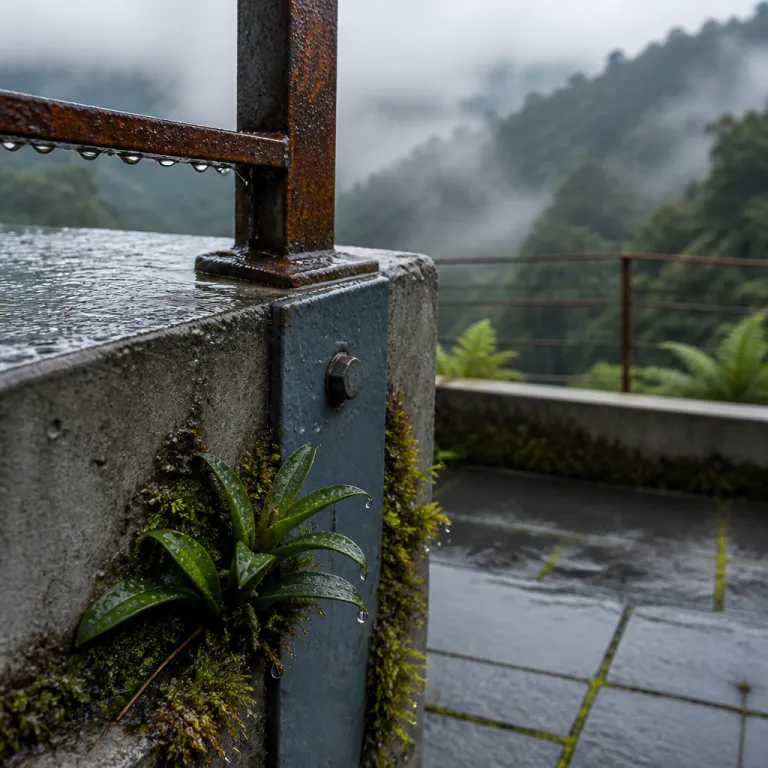
Cloud forest Ecuador escapes on the western slopes
The cloud forest Ecuador region on the western slopes of the Andes offers a rare mix of refined comfort and raw wilderness. In this forest area close to Quito, luxury travelers can move from a five star lodge room to moss draped trails in less than two hours. This high elevation cloud setting creates a soft mist that filters the light and keeps plants growing slowly but lushly.
Cloud forests Ecuador stretch along the western slopes where warm air meets cool mountain currents. Here the forest Ecuador landscape forms a living sponge that captures water from every passing cloud and feeds countless streams. This constant water supply shapes the local flora fauna and supports hundreds of bird species that attract serious birdwatchers.
The Ecuadorian government treats each cloud forest as a strategic reserve for both biodiversity and climate regulation. Local communities in this forest area work with conservation groups to balance tourism with protection of fragile species birds and rare plants. Tourists who choose a responsible eco lodge or high end lodge support this conservation effort directly through park fees and guided activities.
For many travelers the best time to explore a cloud forest in Ecuador is during the drier months when trails are more stable. Yet the ecuador cloud environment remains humid year round so you should always pack rain gear and quick drying layers. Whenever your time visit happens you will still find forests Ecuador alive with birds, orchids, and the sound of running water.
Luxury and premium properties in the cloud forest Ecuador corridor now integrate sustainability into every room category. A modern lodge room may feature solar heated water, local wood, and large windows that frame the surrounding forests. This blend of design and conservation gives guests a deeper experience while keeping the forest cloud ecosystem intact.
Hidden gems near Mindo cloud forests and refined Andean detours
The town of Mindo in Ecuador has become the most accessible gateway to the Mindo cloud forests for travelers starting in Quito. From the capital you descend the western slopes by road and watch the landscape shift from páramo grasslands to dense forest. Within this compact area you can pair a luxury lodge stay with guided walks that reveal rare bird species and delicate orchids.
Mindo itself offers a range of eco lodge options, from intimate forest cabins to polished properties with spa facilities. High end hotels here often collaborate with conservation projects that monitor species birds and restore degraded forest Ecuador parcels. When you book a premium room in such a lodge you help finance trail maintenance, research, and environmental education for local communities.
Many visitors combine a stay in the Mindo cloud region with a refined Andean escape around Cuicocha Lake. For travelers planning this pairing, a detailed guide to refined stays and hidden Andean luxury around a crater lake helps structure the itinerary. This combination lets you experience both high altitude water landscapes and lower elevation cloud forests Ecuador within a single trip.
In the Mindo area, the best time for birdwatching often coincides with early morning hours when the forest cloud canopy is alive with calls. Guided walks focus on bird species such as tanagers, toucans, and hummingbirds that thrive in this ecuador cloud belt. With more than 500 bird species recorded, the region has become a reference point for BirdLife International and serious ornithologists.
Luxury travelers should look for lodges that limit the number of guests per lodge room to reduce pressure on nearby forests. Properties that manage their own private reserve can control access, protect water sources, and maintain quiet zones for sensitive species birds. This approach ensures that your experience of the cloud forest Ecuador landscape remains intimate rather than crowded.
Mashpi Lodge and Bellavista: contrasting luxury in forest Ecuador
Two of the most renowned properties in the cloud forest Ecuador region are Mashpi Lodge and Bellavista Cloud Forest Reserve. Both sit on the western slopes yet they offer distinct experiences for travelers booking premium rooms. Choosing between them depends on how you like to balance structured activities, privacy, and immersion in forests Ecuador.
Mashpi Lodge is a contemporary eco lodge set within a large private reserve that protects primary forest Ecuador habitat. The architecture uses glass extensively so every lodge room feels suspended within the forest cloud canopy. Guests can join guided walks, night safaris, and scientific talks that explain how plants grow and how water cycles through the ecosystem.
One signature feature at Mashpi Lodge is its aerial gondola system that glides silently above the forest. This system allows guests to move through the ecuador cloud canopy without disturbing birds or other wildlife. It also offers a rare perspective on how different tree species layer to form true cloud forests.
Bellavista, by contrast, sits closer to Quito and has long focused on birdwatchers who value direct access to feeders and trails. Here the emphasis is on early morning observation of bird species that visit the lodge area in large numbers. Many guests spend hours on the terraces watching species birds while sipping locally grown coffee.
When comparing these properties, travelers should consider their own best time of day for activities and rest. Some prefer the structured rhythm of Mashpi Lodge with its scheduled excursions and in depth conservation briefings. Others appreciate Bellavista’s more flexible pace where you can return to your room whenever the forest cloud mist thickens and simply enjoy the view.
For a broader perspective on how these properties fit into the national high end scene, a curated overview of Ecuador hotel property movements can help you understand evolving standards of luxury and sustainability. This context is useful when you compare lodge room categories, service levels, and conservation commitments across forest Ecuador destinations. It also highlights how the Ecuadorian government and private investors are reshaping the eco lodge segment in cloud forests Ecuador.
From Quito to the Galapagos via cloud forests Ecuador
Many international visitors arrive in Quito planning to continue to the Galapagos yet overlook the cloud forest Ecuador corridor in between. Integrating a stay in forests Ecuador before or after the islands creates a richer narrative for your trip. You move from high Andean city to misty forest to marine reserve, tracing Ecuador’s extraordinary ecological gradient.
From Quito the drive to key forest area hubs such as Mindo, Bellavista, or Mashpi usually takes between two and four hours. This short travel time makes it easy to insert a two night stay without disrupting Galapagos cruise schedules. For travelers who value comfort, private transfers with bilingual guides can turn the journey into an interpretive experience about western slopes geology and land use.
In planning your time visit, consider how altitude changes will affect your energy levels and sleep. Quito sits at more than 2 800 metres while most cloud forests Ecuador lie between 1 000 and 2 000 metres. Many guests report that their first deep rest in Ecuador happens in a quiet lodge room surrounded by forest sounds rather than city traffic.
Pairing the Galapagos with a cloud forest stay also broadens your understanding of conservation in Ecuador. On the islands you see marine species and volcanic landscapes, while in the forest Ecuador region you witness how water captured from every cloud sustains downstream communities. Both areas rely on strict visitor management and the active role of the Ecuadorian government as protector of key ecosystems.
For travelers who enjoy refined coastal stays, it is possible to add a final stop in the islands after your forest cloud immersion. A detailed review of refined beachfront serenity on Isabela Island illustrates how a Galapagos hotel can match the comfort of a top eco lodge in the highlands. This combination lets you compare how luxury is expressed in a marine reserve versus a mountain forest reserve.
When you visit cloud regions before the Galapagos, you also support local communities that depend on tourism income outside the islands. Many forest area lodges source food from nearby farmers, hire local guides, and fund school programs about flora fauna and conservation. This creates a more balanced economic footprint for your overall Ecuador journey.
Conservation, BirdLife International, and responsible luxury in forests Ecuador
The cloud forest Ecuador belt is recognized globally for its exceptional concentration of bird species and endemic plants. BirdLife International and other organizations classify parts of this forest area as Important Bird and Biodiversity Areas. This status reflects both the richness of species birds and the threats posed by deforestation and unsustainable development.
Luxury and premium lodges now play a central role in conservation strategies across forests Ecuador. Many properties finance scientific monitoring of bird species, camera trap studies of mammals, and reforestation of degraded slopes. Guests who choose these lodges effectively channel part of their room rate into long term forest Ecuador protection.
Educational experiences are increasingly woven into the guest journey without feeling didactic or intrusive. At some eco lodge properties, evening talks explain how plants grow in constant humidity and why cloud forests act as natural water towers for downstream cities. Guides also share how local communities collaborate with the Ecuadorian government to manage each reserve and enforce hunting restrictions.
For travelers, one of the most powerful aspects of a cloud forest stay is the chance to witness conservation in action. You might join a reforestation walk, help record species birds on a monitoring route, or visit cloud nurseries where native seedlings are raised. These activities transform a standard forest cloud visit into a meaningful contribution to forests Ecuador resilience.
According to official guidance from Ecuador’s Ministry of Environment, “cloud forests protect water sources and shelter a high number of endemic species.” This statement aligns closely with what luxury travelers report after a carefully curated stay in an ecuador cloud lodge. They often highlight the contrast between the comfort of their lodge room and the raw intensity of the surrounding forest.
Responsible operators also pay close attention to water use, waste management, and energy efficiency. Many have installed systems that treat grey water on site, reduce plastic consumption, and rely on renewable sources where possible. These measures ensure that the cloud forest Ecuador experience remains viable for future generations of guests and local residents.
Planning your stay: best time, logistics, and lodge selection
When planning a trip to the cloud forest Ecuador region, timing and logistics matter as much as lodge choice. The best time for clearer skies on the western slopes often falls between June and September, though rain remains possible. Outside these months the forest area can feel wilder, with heavier showers that intensify the atmosphere but complicate some hikes.
Travelers should think carefully about how many nights to allocate to forests Ecuador relative to Quito and the Galapagos. A minimum of two nights in a single lodge allows you to experience dawn birdwatching, daytime trails, and night walks without rushing. Those with more time visit cloud regions in two different elevations to compare how flora fauna and bird species change.
When choosing between an eco lodge, a design forward property, or a more traditional hotel, focus on three criteria. First, check whether the lodge manages or borders a formal reserve, since this affects wildlife density and trail quality. Second, review how many guests share each lodge room building, as smaller clusters usually mean quieter forest Ecuador experiences.
Third, examine how the property engages with local communities and conservation partners. Many of the most respected lodges list collaborations with BirdLife International, regional NGOs, and municipal authorities on their websites. This transparency signals that your room rate supports more than just private comfort in a remote forest cloud setting.
Practical packing also shapes the quality of your stay in the ecuador cloud belt. Waterproof clothing, insect repellent, and binoculars are essential tools for enjoying species birds and subtle plants grow details along the trails. Light layers help you adapt quickly as the forest area shifts from cool mist to warm sunshine within a single morning.
Finally, remember that travel in cloud forests Ecuador rewards a slower pace and flexible expectations. Weather can change quickly, trails may close temporarily, and wildlife sightings never follow a fixed schedule or strict time visit plan. Embracing this rhythm allows the cloud forest Ecuador environment to reveal itself gradually, from the first call of birds at dawn to the last swirl of cloud around your lodge at night.
Key statistics about Ecuador cloud forests and tourism
- Ecuador’s cloud forests host around 500 recorded bird species in some regions, according to data from the Ministry of Environment, which makes forest Ecuador one of the most important birdwatching destinations in South America.
- Mindo receives approximately 20 000 visitors per year as reported by the local tourism board, illustrating how a small cloud forest area can sustain a significant ecotourism economy while still depending on strict conservation.
- Cloud forests Ecuador occur mainly between 1 000 and 3 000 metres on the western slopes of the Andes, a narrow altitudinal band where persistent cloud cover maintains high humidity and constant water input.
- Eco lodge development in the ecuador cloud belt has grown steadily over recent decades, with many properties now operating private reserve areas that protect thousands of hectares of forest from logging and agricultural expansion.
- Guided birdwatching, hiking, and nature tours represent a major share of tourism revenue in forest Ecuador destinations, which encourages local communities and the Ecuadorian government to prioritize conservation over short term land use change.
Frequently asked questions about cloud forest Ecuador stays
What is a cloud forest and how is it different from rainforest?
A cloud forest is a tropical montane forest characterized by persistent cloud cover at the canopy level, usually on mountain slopes. Compared with lowland rainforest, cloud forests Ecuador are cooler, often smaller in area, and receive much of their water from mist rather than direct rainfall. This creates unique conditions where plants grow densely on tree trunks and branches, forming thick layers of mosses, orchids, and bromeliads.
Why should luxury travelers include cloud forest Ecuador in their itinerary?
High end lodges in the forest Ecuador region offer a rare combination of comfort, privacy, and direct access to pristine nature. Guests can enjoy spacious lodge room categories, refined cuisine, and spa treatments while being minutes from trails rich in bird species and endemic flora fauna. Including a cloud forest stay between Quito and the Galapagos adds depth to your understanding of Ecuador’s ecosystems and conservation efforts.
When is the best time to visit cloud forests Ecuador?
The region can be visited year round, but many travelers consider the drier months from June to September as the best time for hiking and photography. Trails are usually less muddy then, though the ecuador cloud belt still receives frequent mist and light showers. Birdwatching remains excellent throughout the year, with early morning hours offering the highest activity of species birds.
How long should I stay in a cloud forest lodge?
A minimum of two nights in a single eco lodge or luxury property is recommended to appreciate the rhythm of the forest. This duration allows you to experience dawn birding, daytime exploration, and night walks without feeling rushed. Travelers with more flexible schedules often split four to five nights between different elevations or between areas such as Mindo, Bellavista, and Mashpi Lodge.
Is visiting cloud forests Ecuador safe and suitable for families?
Most established lodges in the forest area maintain high safety standards, including trained guides, clear trails, and emergency protocols coordinated with the Ecuadorian government and local communities. Families should choose properties that offer flexible activities, shorter walks, and lodge room configurations suitable for children. With proper rain gear and guidance, a cloud forest Ecuador stay can be an engaging educational experience for all ages.