Where to stay in Ecuador when textiles are your brief
Choosing where to stay Ecuador becomes strategic when textiles sit at the heart of your trip. For a business leisure traveller who treats every stay as fieldwork, the right hotel in the right city turns meetings into quiet reconnaissance on how culture and commerce intersect. Plan three or four nights in each key place where the textile economy is strongest, and you will find the market looks very different from the airport souvenir stand.
Start in Quito Ecuador, a high altitude capital surrounded by mountains that frame both the historic centre and your first serious conversations about weaving. In the old town, Casa Gangotena is a refined hotel located on Plaza San Francisco, and it works as a discreet base for executives who want to check contracts by day and walk to galleries by night. This is the kind of property where the concierge understands that a travel guide is not a glossy brochure but a briefing document on which hacienda still commissions hand loomed textiles for its guest suites.
From Quito, Otavalo lies about two hours north, so your decision about where to stay Ecuador should factor in early departures and late returns. Many travellers choose a traditional hacienda located in the countryside, using it as a quiet lodge where they can review purchase orders after the market closes. Others prefer a small hotel in the city of Otavalo itself, trading rural calm for the ability to walk to Plaza de los Ponchos at any time and check how prices shift between mornings and late afternoons.
Otavalo market: reading the stalls like a supply chain
Otavalo’s Plaza de los Ponchos is the most famous place where Ecuador’s textile story meets mass tourism. On a Saturday the square becomes a beautiful maze of colour, with ponchos, rugs and scarves stacked three metres high, yet a careful buyer treats it as the final link in a much longer chain. If you are serious about where to stay Ecuador for textile focused travel, plan at least three nights so you can walk the market at different times of day and see how stock, quality and pricing evolve.
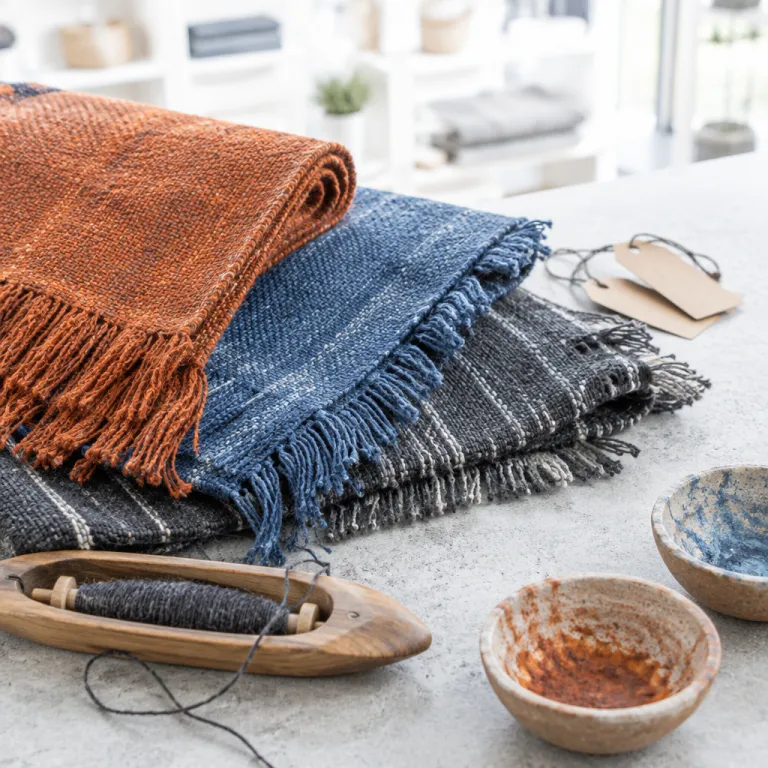
Look closely at the weave before you negotiate, because the difference between a hand loomed piece and a machine woven imitation is rarely announced on the price tag. Hand woven textiles usually show tiny irregularities in the pattern, a subtle variation in thread thickness and dyes that sit within the fibre rather than bleeding across it when lightly dampened. Machine made pieces tend to have a perfectly repetitive motif, a uniform thread count and colours that look almost too bright for a highland city where natural dyes and patient labour still define the most respected work.
Many stalls sell both types, so ask where a piece was made and whether the weaver is from Otavalo, nearby Peguche or another community in northern Ecuador. A thoughtful travel guide will explain that some vendors operate as middlemen, buying in bulk from factories and presenting the stock as artisan work, while others represent family workshops that have woven for generations. When you stay in the region rather than rushing in from Quito for a single day, you will find time to return to the same stall, compare stories and prices, and decide which relationships merit long term business.
For travellers who combine textile research with broader nature focused travel, it is common to pair Otavalo with a stay at Mashpi Lodge in the Chocó cloud forest. This lodge located northwest of Quito offers a different lens on Ecuador’s economy, where conservation, community employment and high end hospitality intersect in one of the most biodiverse corners of South America. If you are structuring a multi region itinerary, consult specialist travel guides that understand how to sequence Otavalo, Mashpi and the Amazon so that each stay builds a coherent narrative rather than a checklist of unrelated nights.
Those interested in the Amazon side of the supply chain often extend their journey from Otavalo to a refined rainforest property such as Sacha Lodge. A detailed review of this elevated Amazon rainforest retreat for discerning travelers can be found in this specialist Amazon lodge guide, which helps you understand how forest communities balance craft production with conservation. Thinking about where to stay Ecuador in this way turns each lodge into a case study in how indigenous knowledge, textiles and tourism capital circulate through the country.
Peguche cooperatives: from loom to ledger
Three kilometres from Otavalo, the village of Peguche is where the textile story becomes intimate and precise. Here, weaving cooperatives open their doors so visitors can see exactly how long it takes to produce a single tapestry, from spinning the yarn to tying off the final fringe. When you plan where to stay Ecuador in this region, choose a hacienda or lodge that can arrange unhurried visits rather than quick photo stops, because the value lies in watching the full process unfold.
Inside a cooperative workshop you will find both backstrap looms, which are strapped around the weaver’s waist, and larger pedal looms that fill entire rooms. The rhythm of the work is slow and exacting, with complex designs requiring weeks of labour and a level of concentration that does not fit the pace of a crowded city market. Once you have seen this, the price difference between a tapestry bought here and a cheaper version in Otavalo’s plaza stops feeling like a markup and starts reading as a fair wage for time, skill and materials.
Ask to handle both alpaca and synthetic yarns, because the touch test is still the most reliable first filter. Alpaca feels warm, slightly oily and alive in the hand, while synthetics often feel cooler and more rigid, with a sheen that catches the light differently in Ecuador’s highland sun. Experienced buyers sometimes request a tiny loose fibre for a burn test, where natural fibres smell like singed hair and synthetics melt into a hard bead, though this is best done with the weaver’s permission and away from finished stock.
Many Peguche cooperatives now work directly with international clients, so your stay becomes a chance to discuss lead times, custom colourways and shipping logistics rather than haggling over a single scarf. This is where a serious travel guide earns its fee, by introducing you to workshops that honour traditional patterns while understanding export quality standards. If your schedule allows, spend at least two nights in the area, splitting your stay between a rural hacienda and a small hotel in Otavalo to balance quiet negotiation time with early access to the market.
Some travellers pair this highland immersion with a later ascent of Cotopaxi, staying at lodges near the national park where textiles, mountaineering and land rights intersect. For a deeper understanding of how to read the volcano and its surrounding communities before attempting the summit, consult this analysis of Cotopaxi at 5 897 metres. Thinking about where to stay Ecuador in relation to both textiles and landscapes reveals how craft, risk and resilience are woven together across the highlands.
Beyond Otavalo: Salasaca, Baños and the distributed textile map
Otavalo dominates the conversation, but Ecuador’s textile economy is geographically distributed and deserves a wider lens. South of Quito, the Salasaca community in Tungurahua province maintains a weaving tradition that is visually distinct from Otavalo’s, with denser iconography and a more muted palette. If you are mapping where to stay Ecuador for a multi region textile study, consider structuring your route as a triangle between Quito, Otavalo and Baños de Agua Santa.
Baños, often shortened to Baños, is a small city located at the edge of the Amazon basin, framed by waterfalls and surrounded mountains that draw both adventure travellers and executives in need of a reset. Here, properties such as Luna Volcán offer a lodge located high above the valley, where you can review contracts in a suite overlooking the lights of the city after a day spent visiting Salasaca workshops. The combination of thermal baths, hiking trails and serious textile conversations makes Baños a place where business, wellness and culture share the same itinerary.
In Salasaca itself, you will find weavers who sell directly from their homes, often without the marketing gloss that surrounds Otavalo’s plaza. Prices here can be higher for complex pieces, not because of tourist inflation but because the labour and symbolism embedded in each design are non negotiable. A thoughtful travel guide will encourage you to ask about the meaning of specific motifs, turning each purchase into a conversation about history rather than a quick transaction over a market stall.
Along Ecuador’s coast, the craft story shifts from textiles to tagua nut carvings, sometimes called vegetable ivory, which share the same ethical questions about sourcing and fair pay. While these are not woven pieces, they sit within the same broader conversation about how South America presents its indigenous crafts to visitors from North America and beyond. When you plan where to stay Ecuador along the coast, look for hotels that work directly with artisan cooperatives rather than anonymous wholesalers, so that your spending supports the communities whose work fills the lobby displays.
For travellers who extend their journey to the Galápagos Islands, the craft offer changes again, with more emphasis on natural history than textiles. Yet even there, the question of where to stay Ecuador remains linked to how your lodge or expedition vessel sources any handicrafts sold on board or in affiliated shops. Reading the supply chain before you buy becomes a habit that travels with you, from highland looms to coastal workshops and out across the Pacific.
Ethical frameworks, hotel choices and the quiet power of where you sleep
Ethical purchasing in Ecuador’s textile economy starts long before you reach for your wallet at a stall. It begins when you choose where to stay Ecuador, because your hotel’s relationships with local artisans often determine which workshops you will visit and how much context you receive. A property that treats textiles as living culture rather than décor will find ways to connect you with weavers whose names, stories and working conditions are transparent.
Look for hotels and haciendas that commission their textiles directly from nearby communities, paying agreed prices that reflect the time and skill involved. Ask whether the ponchos on the beds or the wall hangings in the lobby were bought from a cooperative, an individual weaver or a wholesale intermediary, and whether any fair trade certifications apply. When a hotel can answer these questions clearly, it signals that your stay is part of a longer term partnership rather than a one off purchase for a refurbishment.
In Quito, properties like Casa Gangotena and other high end hotels around Plaza San Francisco often act as cultural interpreters, curating in house collections that highlight specific regions such as Otavalo, Salasaca or the Amazon. When you plan where to stay Ecuador in the capital, prioritise places where the concierge team can provide more than generic travel guides, offering introductions to named workshops and explaining the difference between alpaca, wool and synthetic blends. This level of detail turns a simple room booking into a strategic base for informed, ethical buying.
Beyond textiles, many travellers pair highland stays with time in the cloud forest at Mashpi Lodge or in the Amazon, where the focus shifts to biodiversity and community based tourism. A stay at Mashpi Lodge, for example, places you inside a protected cloud forest where conservation funding, scientific research and local employment are tightly woven together. Thinking about where to stay Ecuador in this ecosystem by ecosystem way helps you see how each lodge, hacienda or city hotel participates in a broader national economy that includes textiles, agriculture and conservation.
When your schedule brings you back to Quito between regions, use that pause to deepen your understanding of the capital’s own layered culture. For a refined perspective on how to experience the city beyond the obvious checklist, consult this guide to elegant ways to experience the best things to do in Quito, which aligns well with a textile focused itinerary. In the end, the question of where to stay Ecuador is less about room categories and more about choosing places where your nights quietly support the hands that keep the country’s weaving traditions alive.
FAQ
How can I tell if a textile in Otavalo is genuinely hand woven ?
Start by examining the pattern closely for small irregularities, because hand woven pieces rarely show the perfect repetition of machine made cloth. Feel the fabric between your fingers ; natural fibres such as wool or alpaca usually feel warmer and more textured than synthetics. When in doubt, ask the vendor where the piece was made and whether you can visit or at least learn the name of the workshop.
Is it better to buy textiles at the Otavalo market or in Peguche cooperatives ?
The Otavalo market offers breadth and competitive pricing, which can be useful if you need a range of samples or lower cost gifts. Peguche cooperatives, by contrast, provide direct access to weavers, clearer information about labour and materials, and prices that more accurately reflect the time invested in each piece. Many business travellers split their purchases, using the market for volume and the cooperatives for high value, long term items.
Where should I stay if I want to focus on Ecuador’s textile traditions ?
For a textile focused itinerary, plan to stay in Quito, Otavalo and the surrounding highlands, and possibly Baños if you want to include Salasaca weavings. In Quito, choose a central hotel that understands cultural tourism and can arrange introductions to reputable guides and workshops. Near Otavalo, a hacienda or small lodge in the countryside allows easy access to both the market and nearby weaving villages such as Peguche.
How do I make sure my textile purchases support local communities fairly ?
Prioritise buying directly from weavers, cooperatives or hotels that can clearly explain their sourcing relationships and payment structures. Look for any fair trade certifications, but also rely on transparent conversations about pricing, labour time and who receives the money. Avoid aggressive bargaining on clearly hand made pieces, and treat each purchase as a long term relationship rather than a one off souvenir.
Can I combine textile research with visits to Ecuador’s natural highlights ?
Yes, many travellers pair time in Otavalo and Peguche with stays in the cloud forest at Mashpi Lodge, the Amazon at specialist lodges, or the Galápagos Islands. The key is to plan your route so that each region adds a distinct layer to your understanding of Ecuador’s culture and economy. Working with a travel guide who understands both textiles and nature based tourism helps align your hotel choices with your research goals.